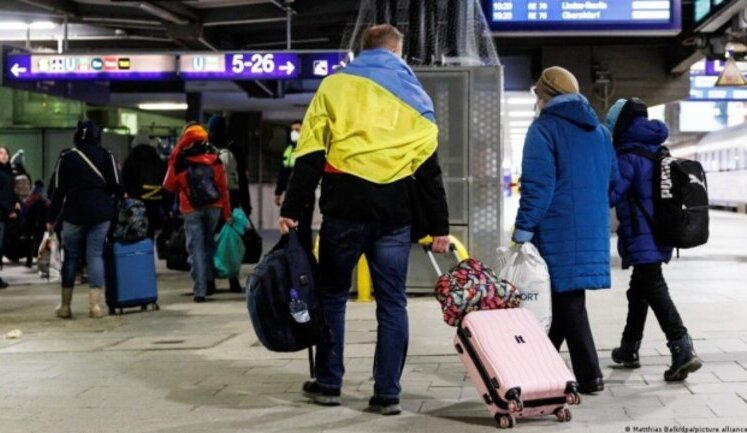
Olha Skorokhod, a prominent demographer, has shared insights into the potential migration trends likely to occur once the war in Ukraine concludes. She anticipates a dual movement, with refugees returning to Ukraine and some men choosing to relocate to Western countries to reunite with their families. This forecast highlights the complex human dynamics expected to follow the end of the conflict, emphasizing both the potential return of displaced individuals and the continued outward migration of others seeking family unification abroad. Understanding these patterns is crucial for planning and policy development.
What does Olha Skorokhod predict about post-war migration in Ukraine?
Olha Skorokhod predicts that following the end of the war, there will be two main migration trends: refugees returning to Ukraine and some men leaving for Western countries to join their families. This dual migration pattern will reflect the complex societal and familial decisions faced by individuals affected by the conflict.
Why does Olha Skorokhod believe men will move abroad after the war ends?
Olha Skorokhod believes that after the war, some men will move abroad to join their families already settled in Western countries. This decision is expected to be driven by the pursuit of family unification and better life opportunities, as well as the economic and social integration into new communities.
How might refugees returning to Ukraine affect the country's post-war recovery?
The return of refugees to Ukraine is likely to have a significant impact on the country's post-war recovery. Returning individuals may contribute to rebuilding efforts, economic revitalization, and community restoration. Their return could help stabilize population numbers and stimulate local economies as they reintegrate into their home communities.
What are the potential challenges of dual migration patterns post-war according to demographers?
According to demographers like Olha Skorokhod, managing dual migration patterns presents challenges such as ensuring adequate infrastructure for returnees, addressing potential labor shortages in regions with outward migration, and fostering societal cohesion. Policymakers will need to balance the needs of returning populations with those who remain or depart.
What role does family reunification play in migration decisions post-war?
Family reunification plays a crucial role in post-war migration decisions, as individuals prioritize joining family members living abroad. This dynamic is often driven by emotional bonds, support systems, and the desire for stability after prolonged periods of displacement and conflict, influencing the movement of populations.
How can policymakers prepare for the expected migration trends post-war?
Policymakers can prepare for expected migration trends by investing in infrastructure to support returnees, creating policies to facilitate family reunification, and developing economic strategies to integrate new arrivals. It's essential to address both the needs of returning citizens and those opting to leave, fostering resilience and development on both fronts.