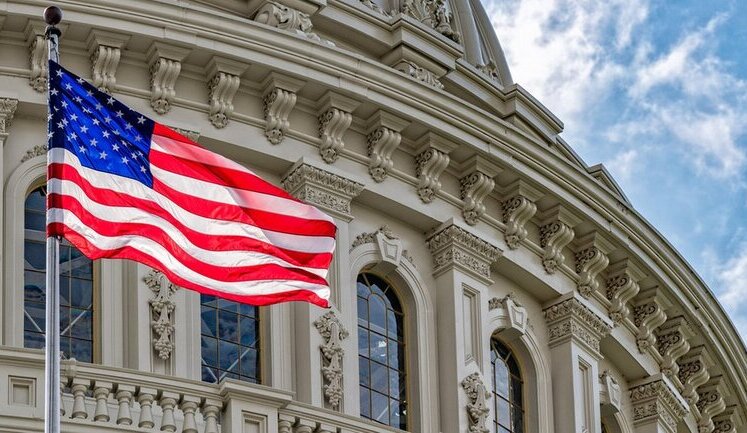
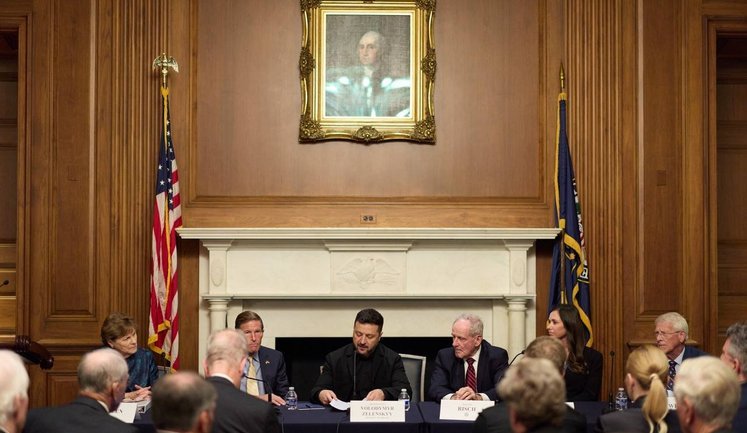
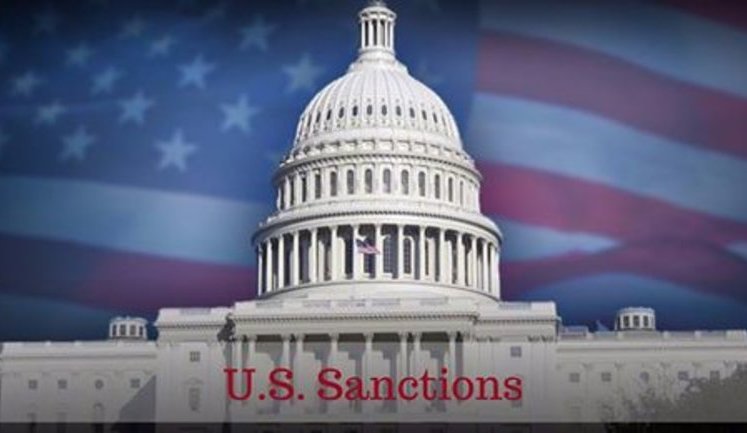
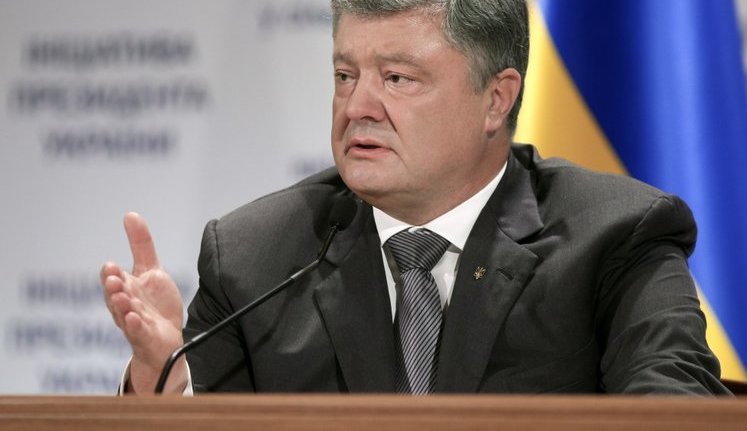
The U.S. Senate, led by Senators Lindsey Graham and Richard Blumenthal, is advancing a significant bill to impose tougher sanctions on Russia. With a commanding support of 61 senators, this bipartisan effort is aligned with the White House to address Russia's aggressive policies and its oil trade with other countries. This legislation, if passed, will tighten the noose on Moscow economically, reflecting a concerted effort by the U.S. government to respond to Russian actions. Key components include heightened tariffs on Russian exports and wider sanctions on allied nations dealing with Russian oil, underscoring an escalated geopolitical stance. The ongoing coordination between the Senate and the presidential administration signifies a united front in U.S. foreign policy decisions aimed at curtailing Russian influence.
What is the goal of the new U.S. Senate sanctions bill against Russia?
The goal of the U.S. Senate sanctions bill is to impose severe economic restrictions on Russia in response to its continued aggression and to deter other countries from purchasing Russian oil. This aims to pressure Russia to change its policies and reduce its global influence.
How many U.S. senators support the sanctions bill against Russia?
The sanctions bill against Russia has garnered the support of 61 U.S. senators. This bipartisan backing indicates a strong and unified legislative effort to impose economic pressures on Russia.
Why is the White House supportive of the sanctions bill on Russia?
The White House supports the sanctions bill due to its alignment with U.S. foreign policy goals to curb Russian aggression and its efforts to rally international support against Moscow's geopolitical maneuvers. The collaboration with the Senate reflects a strategic approach to handling international relations.
What economic measures are included in the U.S. Senate's sanctions bill?
The sanctions bill includes heightened tariffs on imports from countries buying Russian oil, along with expansion of existing sanctions. These measures aim to weaken Russia's economy and reduce its ability to fund hostile activities abroad.
Who are the key sponsors of the sanctions bill in the U.S. Senate?
The key sponsors of the sanctions bill are Senator Lindsey Graham from the Republican Party and Senator Richard Blumenthal from the Democratic Party. Their bipartisan collaboration is instrumental in advancing this legislative action against Russia.
What impact could the sanctions have on global oil markets?
The sanctions could disrupt global oil markets by limiting Russian oil exports and encouraging consumers to find alternative sources. This may lead to price adjustments and shifts in trading partnerships globally.