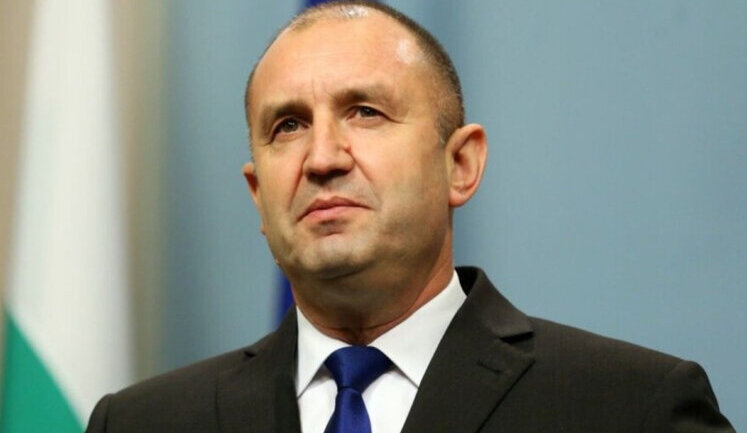
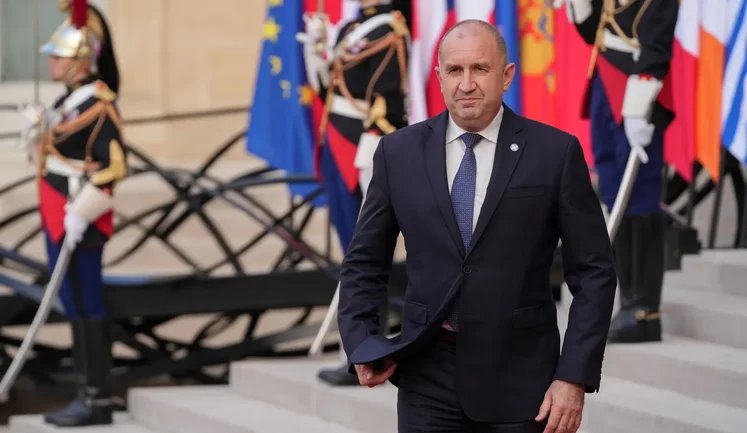
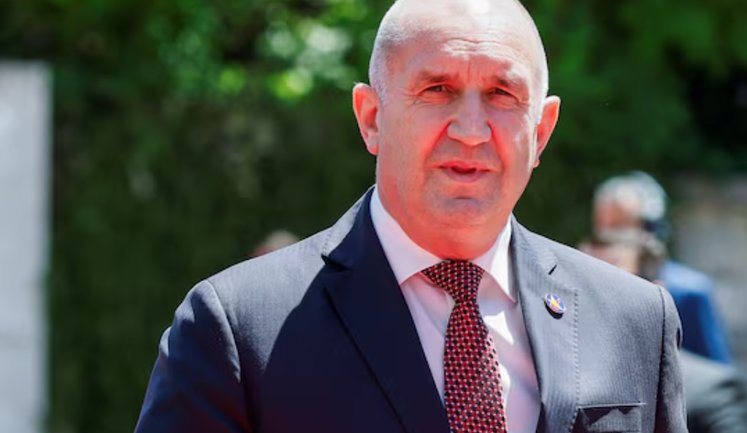
Prime Minister Radev Rumen of Bulgaria recently made headlines with his controversial stances on several international issues, reflecting the current political climate in Bulgaria. He has highlighted the absence of conclusive evidence linking Russia to the attacks on vessels in the Black Sea. Furthermore, Radev announced Bulgaria's withdrawal from the "Coalition of the Willing," opting for a more neutral position in regard to Ukraine. He also stated that Bulgaria will veto the EU sanctions package against Russia due to economic concerns. Domestically, the pro-Russian "Progressive Bulgaria" party, associated with Radev, won a significant share in recent elections, which could reshape Bulgaria's foreign relations strategy.
What evidence does Radev Rumen have on Black Sea incidents?
Prime Minister Radev Rumen asserted that Bulgaria currently lacks definitive proof of Russia's involvement in the attacks on ships in the Black Sea. This statement was made despite circumstances pointing towards possible Russian participation. The government's official position remains cautious, as it seeks solid evidence before making any diplomatic moves or accusations on the international stage.
Why did Bulgaria leave the "Coalition of the Willing"?
Prime Minister Radev Rumen announced Bulgaria's decision to withdraw from the "Coalition of the Willing," which supported Ukraine. This decision reflects a shift towards a more neutral foreign policy stance by Bulgaria, driven by geopolitical considerations and the desire to maintain balanced international relations.
Why is Bulgaria vetoing the EU sanctions against Russia?
Prime Minister Radev Rumen stated that Bulgaria would veto the EU sanctions against Russia, arguing that such measures could adversely impact the Bulgarian economy. The decision highlights the delicate balance Radev seeks to strike between upholding EU policies and securing Bulgaria's economic interests in an increasingly complex international landscape.
What is the significance of "Progressive Bulgaria's" election victory?
The election of "Progressive Bulgaria," strongly associated with Radev, signifies a shift towards pro-Russian policies in Bulgaria. Winning 44.59% of the vote in recent parliamentary elections, the party's victory could realign Bulgaria's foreign policy and alter its interactions within the EU, emphasizing a more Russia-friendly stance.
What are Radev Rumen's views on Western weapon use in Ukraine?
Radev Rumen has expressed concerns about the use of Western weapons by Ukraine against Russia, warning of potential escalation risks leading to "nuclear Armageddon." He criticized NATO, suggesting its complicity in exacerbating the conflict. This stance emphasizes caution and advocates for a diplomatic approach to de-escalation.