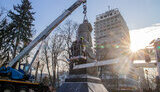
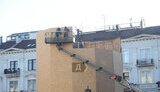
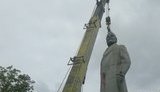
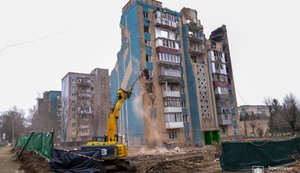
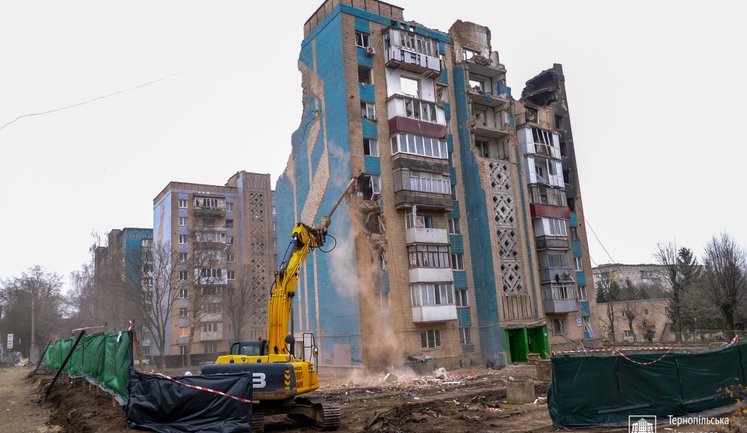
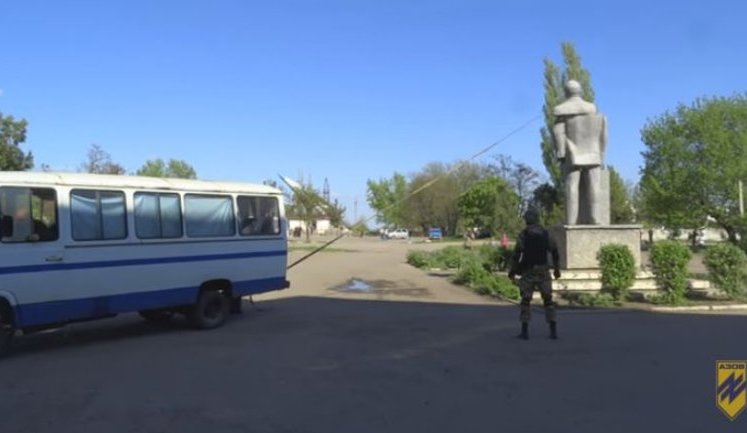
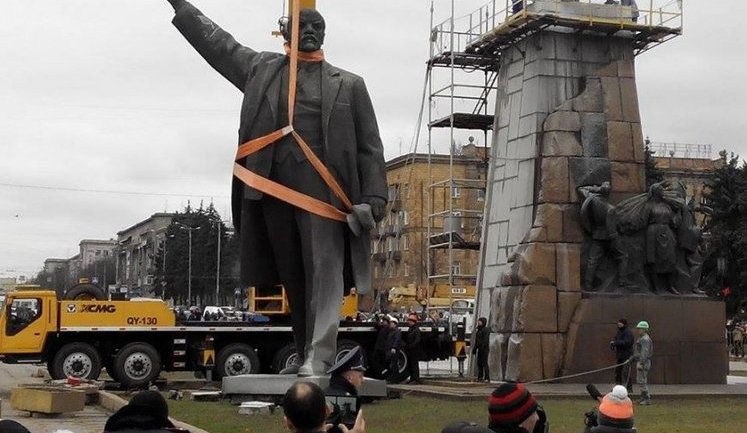
Recent derigging activities have been making headlines across Ukraine, highlighting the removal of Soviet and Russian-era monuments. This includes the dismantling of monuments dedicated to poets like Pushkin and Lermontov in cities such as Kryvyi Rih and Zaporizhzhia. Public opinion appears to support these initiatives, with surveys indicating that nearly 70% of Kyiv residents and 65% of displaced individuals favor such actions for cultural and historical reasons. The process isn't just confined to Ukraine; New York also saw the removal of a Lenin sculpture from a residential building, showing a broader trend of reevaluating historical symbols. These derigging efforts reflect significant societal changes and are part of a larger narrative of altering historical landscapes, often accompanied by debates and differing viewpoints.
What is derigging in the context of Ukraine's recent news?
Derigging refers to the dismantling and removal of monuments and structures, often those that represent historical eras or regimes that are no longer aligned with current societal values. In Ukraine, this has included the removal of Russian and Soviet-era monuments, like those of poets Pushkin and Lermontov, as part of a broader cultural reevaluation.
Why are monuments to Pushkin and Lermontov being dismantled in Ukraine?
The dismantling of monuments to Pushkin and Lermontov in Ukraine is part of a larger initiative to remove symbols associated with Russian influence. This reflects a shift towards redefining national identity and cultural heritage, in alignment with current political and social sentiments.
What is the public opinion on dismantling Soviet monuments in Kyiv?
Public opinion in Kyiv has shown substantial support for the removal of Soviet monuments, with recent polls indicating that nearly 70% of local residents approve of such measures. This support is mirrored among displaced individuals, where about 65% favor these changes, reflecting a desire to move away from past symbols.
Has the derigging trend affected locations outside of Ukraine?
Yes, the derigging trend has reached places outside of Ukraine, such as New York City, where a Lenin monument was removed from a building in Manhattan. This action demonstrates a global reconsideration of historical symbols, aligning with shifting cultural sentiments and political changes globally.
What are the societal implications of derigging monuments?
Derigging monuments can significantly impact societal identity and historical narrative. It often involves reflecting on and reevaluating which historical figures or events should be memorialized, and can lead to heightened awareness and debate about cultural values, historical interpretations, and national identity.
What significant Soviet monuments have been dismantled recently?
Significant dismantled Soviet monuments in Ukraine include those dedicated to Lenin, with noticeable examples in Zaporizhia and Odesa. These removals are emblematic of Ukraine's shift towards erasing remnants of its Soviet past, in favor of building a more independent national identity.
How does the dismantling of monuments relate to Ukraine's political environment?
The dismantling of monuments is deeply intertwined with Ukraine's current political environment, as the country distances itself from Russian influence. This reflects broader geopolitical tensions and the ongoing redefinition of Ukraine's cultural and historical narrative, aiming to assert sovereignty and national identity.