The geopolitical dynamics in Asia are becoming increasingly significant. Recent events highlight a growing interplay between Asia and global politics. European leaders, such as Macron and Kallas, advocate for heightened cooperation with Asia in response to Russian and Chinese geopolitical maneuvers. This cooperation aims to counteract attempts to destabilize the international order. Meanwhile, issues within Russia, including the influx of foreign workers near the Moscow oil refinery and tensions over Central Asian migrants, reflect an internal struggle with migratory pressures. Moreover, French Foreign Minister Jean-Noel Barrot has raised concerns about potential war escalation involving Asian countries, notably with DPRK soldiers being sent to Ukraine. The ongoing conflict invariably affects Asian regions, emphasizing the need for Europe and Asia to collaborate more closely to maintain regional stability.
How does Asia's geopolitical role affect European security?
Asia plays a crucial role in global security dynamics, and its geopolitical stance impacts European security. The collaboration between Asian and European nations is essential in maintaining balance against Russian and Chinese influence, preserving regional equilibrium, and thwarting attempts to alter the international order.
What was discussed at the security summit in Singapore?
At the security summit in Singapore, European leaders, including Macron and Kallas, stressed the importance of bolstering cooperation with Asia. This strategic interaction aims to counteract Russian and Chinese efforts to destabilize the international system by ensuring robust political alliances and economic partnerships.
How might conflict in Ukraine spill over to Asia?
According to French Foreign Minister Jean-Noel Barrot, the presence of DPRK soldiers in Ukraine's conflict could escalate tensions, potentially drawing Asian countries into the conflict. This expansion risks spreading hostility beyond Europe, necessitating international vigilance and cooperative efforts to prevent further destabilization.
What impact do Russia's actions have on ASEAN nations?
The repercussions of Russia's aggression in Ukraine are felt even in ASEAN countries. These nations face economic and political challenges arising from the conflict, including trade disruptions and geopolitical instability. This interconnectedness makes ASEAN nations keen stakeholders in seeking resolutions.
Why are foreign workers in Moscow faced with employment challenges?
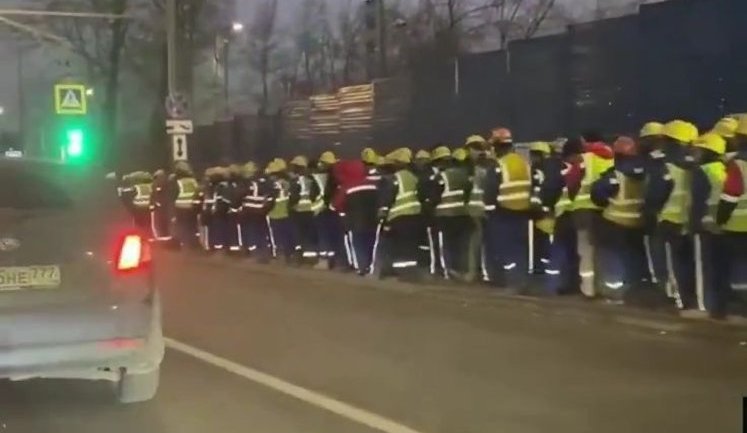
Foreign workers, primarily from Asia, have gathered near the Moscow oil refinery due to employment opportunities. However, the rising number of migrants from Central Asia and other regions poses challenges such as xenophobia and logistical difficulties, sparking debates within Russian communities about labor and demographic shifts.
Is there collaboration between Europe and Asia against Russian aggression?
Authorities such as Josep Borrell emphasize the need for Europe and Asia to collaborate to counteract Russian aggression. This collaboration is vital to maintain regional stability and address shared geopolitical threats that could potentially disrupt both regions if left unchecked.
Why are sanctioned Russian firms struggling in Asia?
Sanctioned Russian firms face obstacles when seeking financial support in Asian markets. Stringent sanctions and weakened economic credibility due to the ruble's devaluation have limited opportunities for Russian entities to capitalize on Asian financial instruments, leading to difficulties in sustaining operations.
What challenges do Central Asia face due to the ruble devaluation?
Central Asia is economically impacted by Russia's ruble devaluation, which affects trade relations, currency stability, and investment flows. These nations, closely linked with Russia economically, encounter inflationary pressures and reduced remittances, complicating their economic landscape and growth prospects.