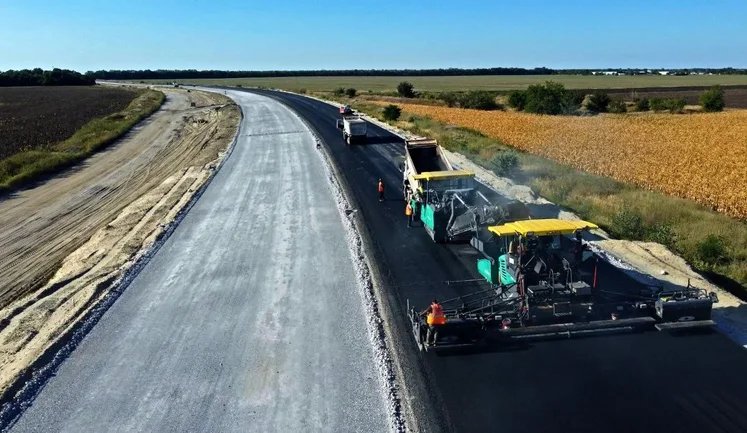
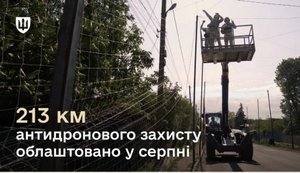
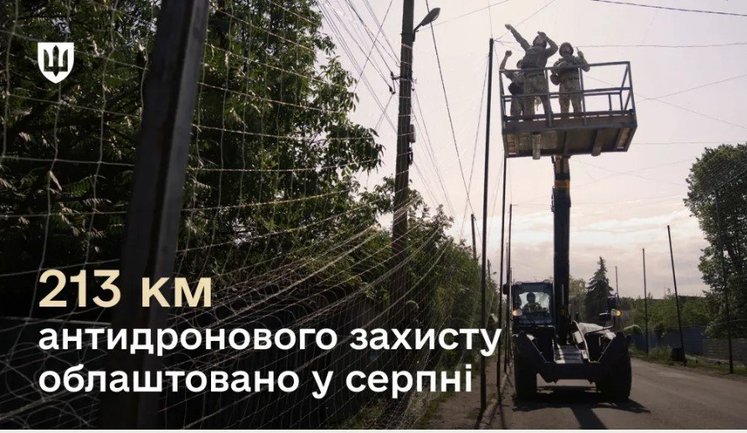
The road infrastructure in Ukraine has been a focal point of various developments and challenges in 2026. Despite criticism from MP Zhelezniak about the allocation of 52.8 billion hryvnias for the Road Fund instead of increasing military salaries, road construction remains a priority. Significant strides have been made with the installation of 1,382.6 km of anti-drone defences along key logistics routes, enhancing security on Ukraine's roads. At the same time, corruption continues to mar road projects, with NABU uncovering a kickback scheme in Poltava. Traffic safety is under review, following Zelenskyy's call for stricter penalties after a Kyiv accident. Furthermore, road closures like the Kyiv-Chop highway in the Kyiv region underscore the ongoing challenges faced in managing Ukraine's road networks.
How are anti-drone defences being integrated into Ukrainian roads?
In 2026, Ukraine's Ministry of Defence has coordinated with the State Special Transport Service to install a total of 1,382.6 km of anti-drone defences along critical logistics routes. This initiative aims to protect vital areas from drone attacks, providing a fortified network that enhances national security. The integration process involves strategically placing systems to cover potential entry points and crucial road segments used for military and civilian transportation, ensuring road safety and infrastructure security amid ongoing threats.
What are the implications of the Kyiv-Chop highway closure?
The closure of the Kyiv-Chop highway, specifically between kilometres 15 and 32, affects both local and through traffic, emphasizing the need for travelers to seek alternate routes. These restrictions were likely implemented due to safety concerns or necessary maintenance but underscore the broader challenges of infrastructure management under current circumstances. This impacts regional mobility, requiring effective communication and logistical adjustments to mitigate commuter inconvenience and maintain transport efficiency throughout Ukraine.
What is the significance of the Rada's decision on the 2027 budget allocation for roads?
The allocation of 52.8 billion hryvnias to Ukraine's Road Fund has sparked debate, as some argue these funds could have supported military salaries amid ongoing security concerns. However, the decision highlights a commitment to maintaining and improving the country's road infrastructure, crucial for both economic and military logistics. Ensuring road quality and resilience is vital in supporting domestic development and strategic defense operations, reflecting a balanced approach to national priorities despite differing opinions on resource distribution.
What corruption issues have been uncovered in Ukraine's road sector?
The National Anti-Corruption Bureau of Ukraine (NABU) exposed a corruption scheme in Poltava involving local officials and a city councillor. This highlighted misuse of funds earmarked for road repairs, showing a deeper issue of financial mismanagement in infrastructure projects. Such breaches of trust undermine public confidence and divert resources from their intended purpose. They emphasize the need for robust oversight and transparent practices to ensure that financing leads to actual improvements in road conditions across the country.
What are Ukraine's current challenges with road safety and enforcement?
Despite ongoing improvements, road safety in Ukraine remains a significant issue, prompted by a series of fatal accidents. In response, President Zelenskyy has called for the National Security and Defense Council to convene, aiming to enforce stricter penalties for traffic violations. Additionally, initiatives such as introducing new speed cameras and "Phantom" patrol cars aim to enhance compliance with traffic laws. These measures reflect a proactive approach to addressing and reducing the high incidence of traffic-related incidents, improving overall safety on Ukrainian roads.
How is Ukraine addressing road repair corruption scandals?
Prompted by discoveries of corruption in road repair schemes, notably in Poltava and the Dnipropetrovsk region, Ukraine's anti-corruption bodies have heightened their oversight and investigation efforts. The NABU and the Specialized Anti-Corruption Prosecutor's Office (SAPO) are actively working to uncover and prosecute fraudulent activities that divert funds from essential infrastructure projects. By holding perpetrators accountable, these efforts aim to preserve public funds for their rightful use, ensuring that road repairs and development meet planned objectives and quality standards.