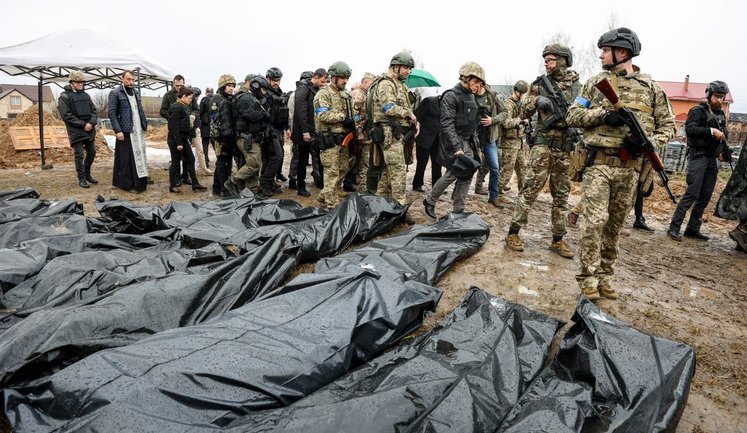
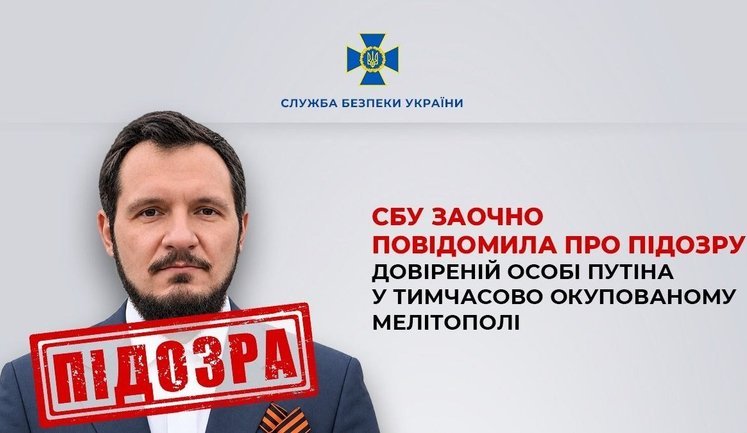
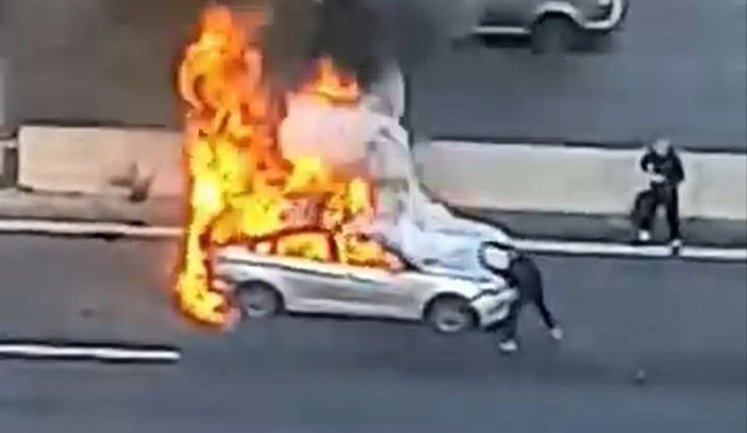
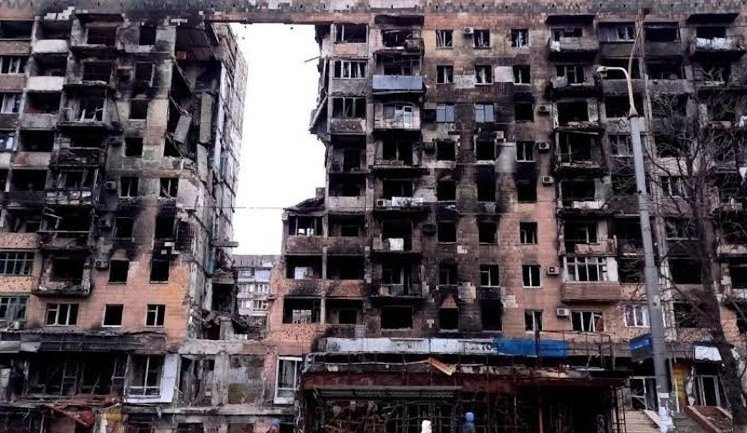
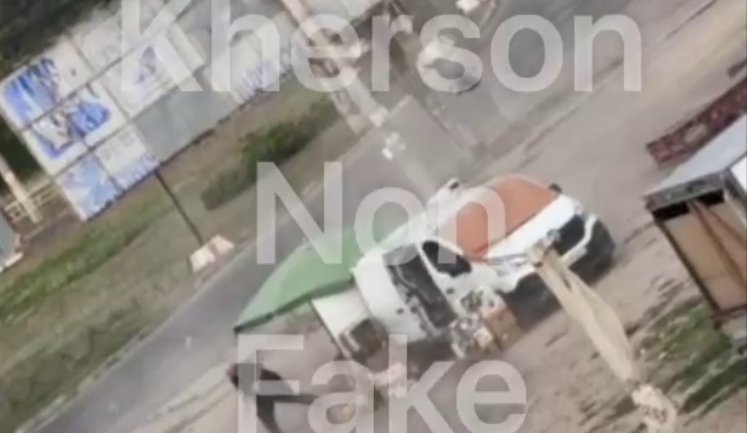
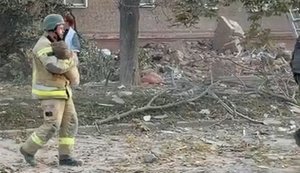
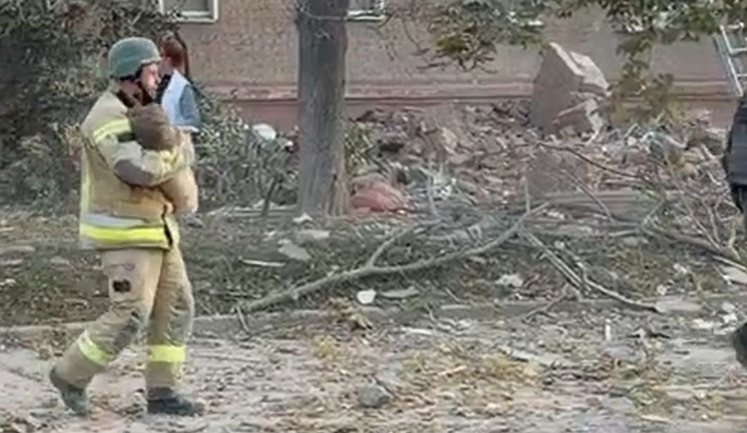
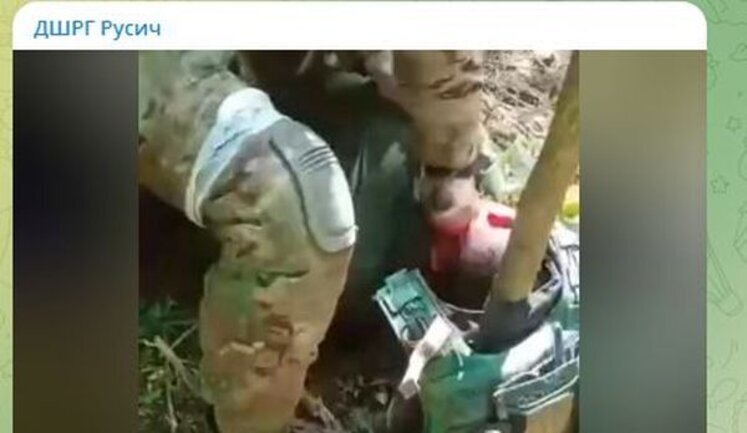
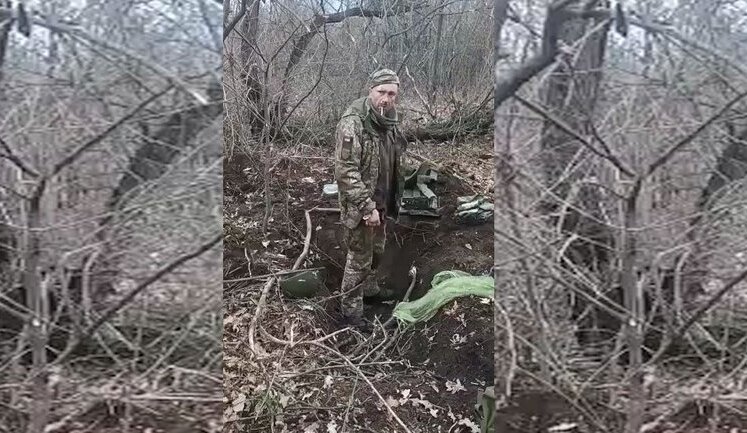
Recent reports highlight ongoing war crimes in Ukraine. The EU, alongside international organizations, is striving to secure humanitarian access to Oleshky, a town faced with severe troubles due to Russian occupation. Investigations have identified Russian military personnel potentially involved in atrocities in Oleshky and other occupied cities. Meanwhile, Putin’s forces are accused of targeting civilians in regions like Kherson and Kupiansk, employing inhumane tactics that contravene international law. Such actions have ramped up international efforts, with the EU imposing sanctions on Russian individuals linked to war crimes, and the Security Service of Ukraine amassing substantial evidence against implicated Russian soldiers, underscoring the need for accountability in conflict zones.
What are the latest developments regarding war crimes in Ukraine?
Recent developments have unveiled numerous war crimes in Ukraine, including the identification of Russian soldiers involved in abuses in towns like Bucha and Kupiansk. The EU has imposed sanctions on individuals linked to these atrocities, and international efforts, including ICC submissions, are underway to address these crimes comprehensively.
How is the European Union responding to the war crimes in Ukraine?
The European Union is actively working to address war crimes in Ukraine by securing humanitarian access in affected areas, imposing sanctions on involved Russian individuals, and proposing a Special Tribunal to hold perpetrators accountable. These measures are part of a broader international effort to bring justice to the victims.
What specific war crimes have been reported in Oleshky?
In Oleshky, war crimes reports indicate significant humanitarian issues caused by Russian occupation, including abductions and the use of civilians as human shields, exacerbating the town’s humanitarian crisis. These acts have prompted international demands for unhindered access to provide needed aid.
Who are the Russian military personnel implicated in Ukrainian war crime investigations?
Investigations have identified Russian military personnel from the 126th Separate Coastal Defence Brigade and the 331st Guards Parachute Regiment as potentially involved in crimes in Ukraine. These findings contribute to broader efforts to address and prosecute war crimes committed during the conflict.
What is the international community's stance on war crimes in Ukraine?
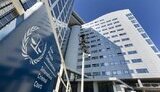
The international community, including the EU and the ICC, is actively involved in addressing war crimes in Ukraine. Efforts include imposing sanctions, opening investigations, and creating tribunals to ensure accountability and justice for affected civilians, reinforcing commitments to international humanitarian law.