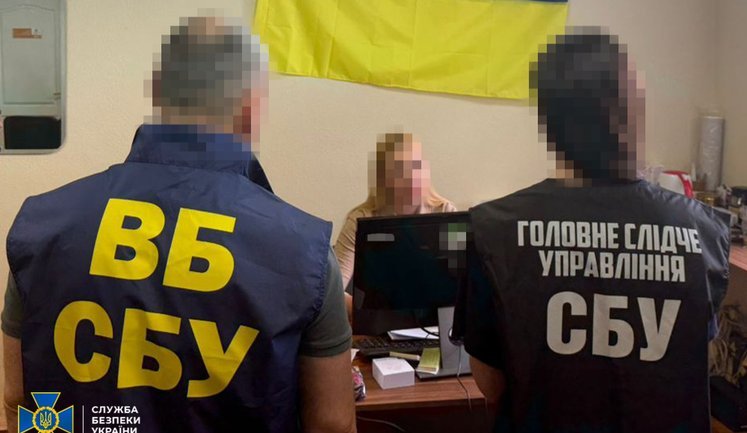
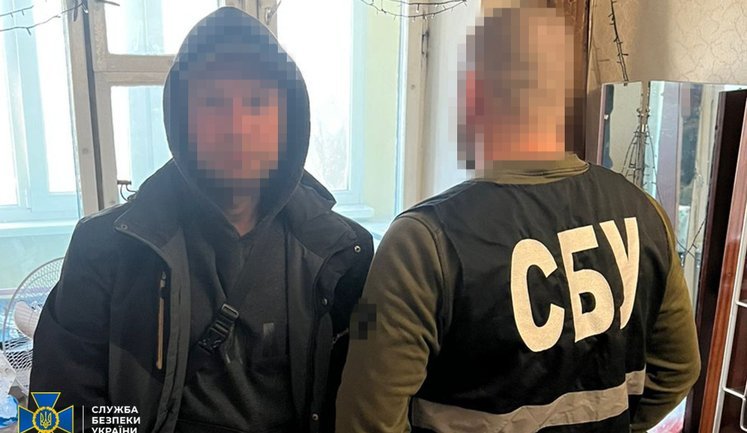
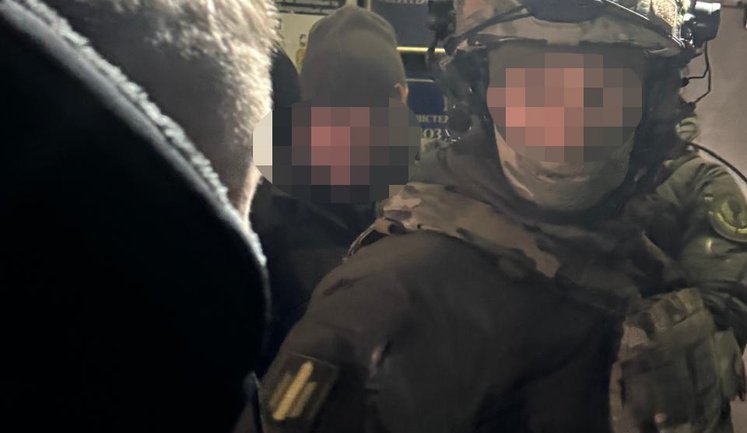
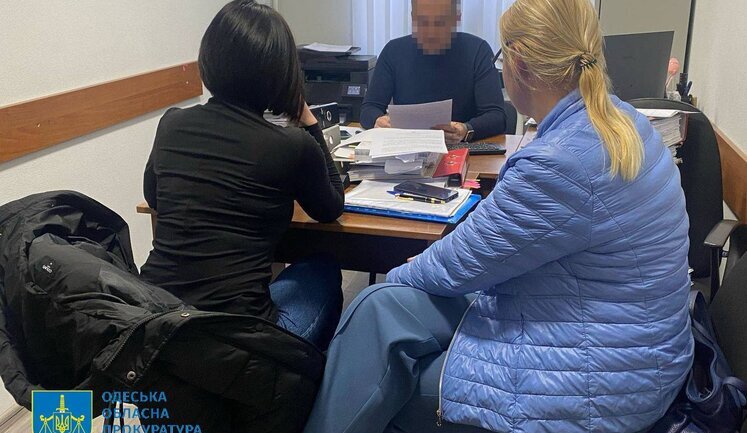
The disclosure of collaborators in Ukraine has led to a series of arrests and legal actions across the regions. The Security Service of Ukraine (SSU) and National Police have compiled substantial evidence against individuals working with the occupying Russian "Ministry of Internal Affairs" in regions like Kherson and Donetsk. Recent actions included the detention of a woman in Volyn who previously collaborated in Donetsk Oblast, and another official in Kyiv responsible for implementing Russian educational standards in Crimean schools. Military counterintelligence efforts have convicted five traitors who fought against Ukrainian forces, sentencing them to 15 years in prison. These operations highlight Ukraine's continuous commitment to addressing collaboration and strengthening national security against external aggression.
What measures are being taken against collaborators in Ukraine?
Ukrainian authorities, including the SSU and National Police, are actively identifying and detaining individuals collaborating with Russian forces. This includes gathering evidence, leading to arrests and significant prison sentences for those found guilty of treasonous acts and collaborationist activities. Recent measures underscore a robust and ongoing campaign to dismantle the networks supporting the occupiers and ensure justice.
How is the Security Service of Ukraine involved in countering collaboration?
The Security Service of Ukraine plays a critical role by identifying, investigating, and detaining collaborators. Their efforts include collecting evidence against individuals aiding the Russian military and facilitating educational indoctrination. The SSU's counterintelligence units have successfully disrupted networks conspiring against the Ukrainian Defense Forces, thus maintaining operational integrity and national security.
Have there been trials for those accused of collaborating with Russian forces?
Those accused of collaboration have been tried and, in many cases, sentenced to lengthy prison terms. For example, five traitors were recently convicted and sentenced to 15 years, reflecting the judiciary's stern approach to treason. These legal actions demonstrate Ukraine's commitment to prosecuting those who compromise its sovereignty and security.
What impact has the detention of collaborators had on regional security?
The detentions have significantly bolstered regional security by disrupting plans aimed at aiding the occupiers and collecting intelligence for hostile forces. By removing collaborators from strategic positions and holding them accountable, Ukraine mitigates risks to its defense infrastructure and strengthens its efforts to counter foreign occupation and aggression.
Are there examples of specific cases of collaboration in recent news?
Recent cases include the detention of a woman in Volyn who previously supported the Russian occupiers in Donetsk, and an official in Kyiv responsible for imposing Russian educational standards in Crimea. These cases reflect the diverse nature of collaboration, spanning roles in local administrations to educational fields, each representing a unique threat to Ukrainian sovereignty.
What is the significance of the SSU's counterintelligence operations?
The counterintelligence operations conducted by the SSU are crucial for preventing espionage and sabotage. These operations involve intercepting information leaks, capturing enemy agents, and ensuring the safety of military operations and strategic infrastructure. The successful prosecution of collaborators and exposed agents is a testament to the effectiveness of these sophisticated security measures.
How does Ukraine’s judiciary ensure justice for victims of collaboration?
Ukraine's judiciary ensures justice by conducting thorough investigations and trials, leading to convictions and severe sentencing of collaborators. This legal framework not only punishes those responsible but also deters future collaboration by establishing a framework of accountability and national sovereignty protection.
How have educational sectors in occupied regions been impacted by collaboration?
In occupied regions, educational sectors have been manipulated by collaborators who impose Russian curricula and ideologies, eroding local cultural identity and autonomy. The arrest of individuals responsible for these changes is part of a larger strategy to restore and preserve Ukrainian educational standards and cultural independence.