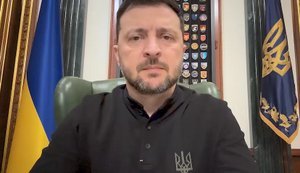
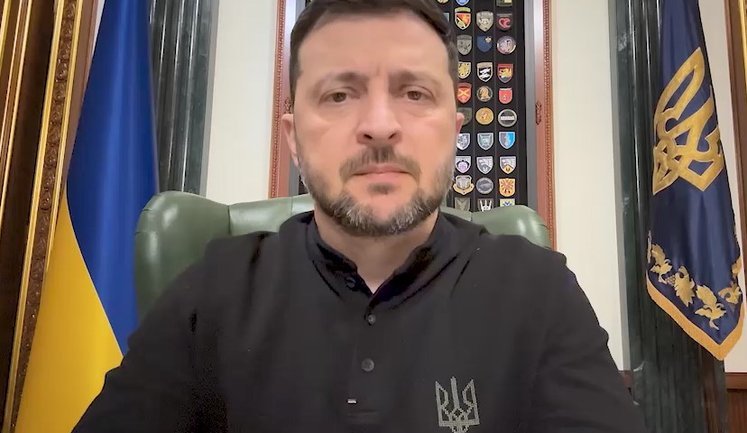
The push for a peace plan involves multiple players, with the U.S. proposing to lift sanctions on Russia under Trump's strategy while NATO restores its 1997 borders. This contentious plan includes cheap oil for Europe and resurrecting Russia's role in the energy market. Meanwhile, Ukraine is steadfast in advancing President Volodymyr Zelenskyy's 20-point peace plan, emphasizing security guarantees and reconstruction. The plan aims for sustainable peace and protection but faces challenges, as seen in the rejection by 74% of Ukrainians of Russia's version. These diplomatic maneuvers are taking place against a backdrop of continuous dialogues, as Europe and America align to ensure a ceasefire that benefits Ukraine and its allies. The international community remains cautious, aware that any deal without robust security terms could spark future conflicts.
What are the key elements of Trump's peace plan?
Trump's peace plan includes lifting sanctions on Russia and reverting NATO borders to 1997 lines. It aims to provide cheap oil to Europe while integrating Russia back into the energy market. This plan has garnered criticism for potentially undermining Ukraine's security and sovereignty.
Why is Zelenskyy's 20-point peace plan significant?
Zelenskyy's 20-point peace plan is crucial as it seeks a comprehensive resolution focusing on security guarantees and rebuilding Ukraine. It contrasts with other proposals by prioritizing Ukraine's territorial integrity and military support, addressing long-term stability rather than short-term solutions.
How has the international community reacted to Russia's peace proposals?
The international community, including Ukrainians, remains skeptical of Russia's peace proposals. Polls indicate that around 74% of Ukrainians find Russia's plans unacceptable, viewing them as capitulatory. Western allies are cautious about any plan lacking solid security provisions.
What role does the U.S. play in the peace negotiations for Ukraine?
The U.S. plays a pivotal role by proposing peace plans and facilitating negotiations between Ukraine and Russia. It aims to align diplomatic efforts with European allies while ensuring that security arrangements benefit Ukraine and deter future aggression. The U.S. remains a central mediator in these ongoing discussions.
What are the potential risks of implementing a peace plan hastily?
Implementing a peace plan hastily could lead to an agreement that lacks robust security guarantees, posing risks of future conflict. Such an agreement might fail to address the underlying causes and pressures, potentially endangering Ukraine's sovereignty and regional stability in Eastern Europe.
How do peace plans impact the political landscape in Ukraine?
The discussion and implementation of peace plans have a significant impact on Ukraine's political landscape. They influence public opinion, governmental policies, and international relations. Successful plans can bolster Ukraine's sovereignty and stability, while contentious ones can lead to internal disagreement and discontent.
Why are security guarantees pivotal in peace discussions?
Security guarantees are pivotal because they provide assurance against future aggression and instability. They are essential for any lasting peace agreement, particularly for Ukraine, given its geopolitical position and historical conflicts. Such guarantees underpin the credibility and success of any peace initiative.
What are the main hurdles in reaching a peace agreement?
The main hurdles include geopolitical interests, differing visions for Ukraine's future, mutual distrust, and opposition from key stakeholders. Ensuring a balance between territorial integrity, security, and economic rejuvenation is challenging, alongside appeasing both domestic and international parties involved.
How can peace plans ensure long-term stability for Ukraine?
For long-term stability, peace plans must incorporate strong security frameworks, economic support for reconstruction, and diplomatic solutions that respect Ukraine's sovereignty. Collaborations with international allies, clear demilitarization strategies, and compliance monitoring are also essential for enduring peace.
What influence do European allies have in peace negotiations?
European allies influence peace negotiations by providing diplomatic support and leveraging economic and military power. Their involvement ensures that any agreement considers regional stability, aligns with EU policies, and integrates proper security guarantees to deter future conflicts.