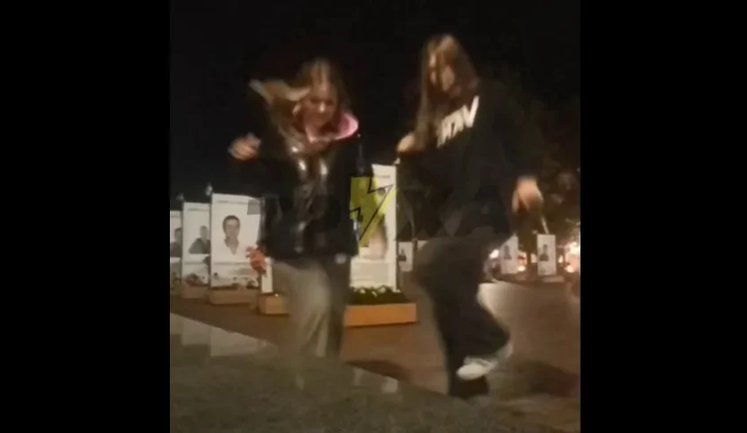
The ongoing ban on Russian music in Ukraine has sparked a series of incidents involving young people across the country. In Kyiv, three women were held administratively liable after a video showed them singing a Russian song inside a car. Similarly, in Chernihiv, girls were filmed dancing to Russian chanson, prompting an investigation. Authorities in Pryluky launched a probe into a similar case involving a girl singing on the Alley of Remembrance. The situation is not isolated to these regions, as a 17-year-old in Dnipro faced administrative charges for filming a dance video at a cemetery with Russian music playing. Despite the ban, such incidents are indicative of ongoing cultural tensions and highlight the challenge of enforcement in the digital age.
What prompted the recent ban on Russian music in Ukraine?
The ban was instituted as part of a broader effort to resist cultural influence from Russia, particularly given the geopolitical tensions. It aims to foster national identity and protect Ukrainian culture from foreign dominance.
How have Ukrainian authorities enforced the ban on Russian music?
The enforcement involves various law enforcement agencies investigating and penalizing individuals who publicly play or promote Russian music. This includes administrative charges and public awareness campaigns.
What are the consequences for playing Russian music in Ukraine?
Individuals caught playing Russian music may face administrative penalties, which could include fines or other legal repercussions, depending on the incident's nature and severity.
How has the public responded to the ban on Russian music?
The response has been mixed, with some supporting the move as a patriotic duty, while others view it as an infringement on personal freedom and cultural expression.
Are there any notable incidents related to the ban on Russian music?
Yes, several incidents have gained attention, including cases in Kyiv, Pryluky, Chernihiv, and Dnipro where individuals faced charges for playing Russian music in public, highlighting the ongoing tensions and challenges in enforcement.
What role does social media play in the enforcement of the ban?
Social media has been crucial in both the spread of incidents and their monitoring, allowing authorities to identify and investigate cases of public Russian music usage swiftly, though it also poses challenges in controlling content.