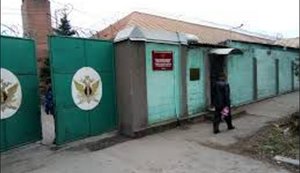
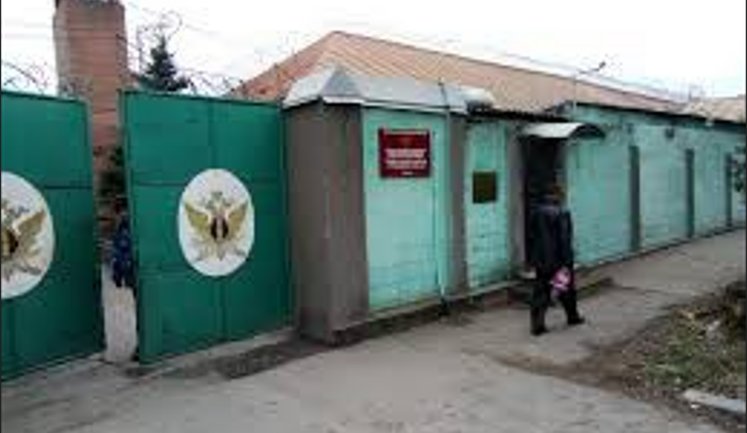
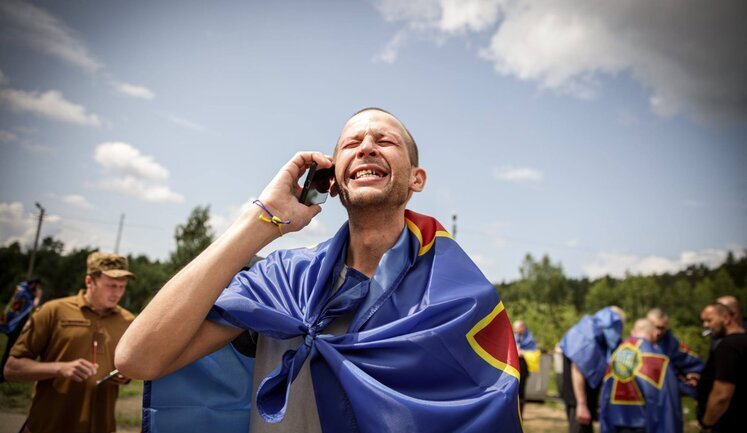
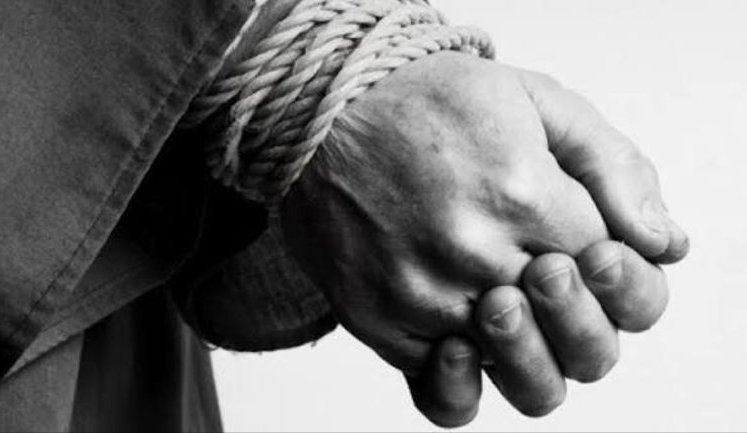
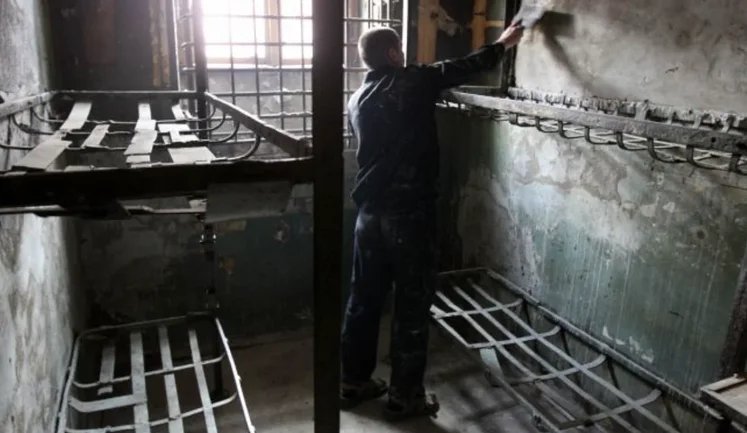
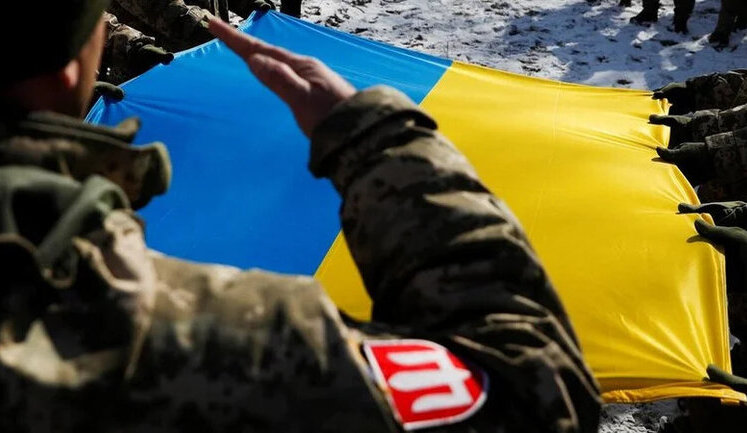
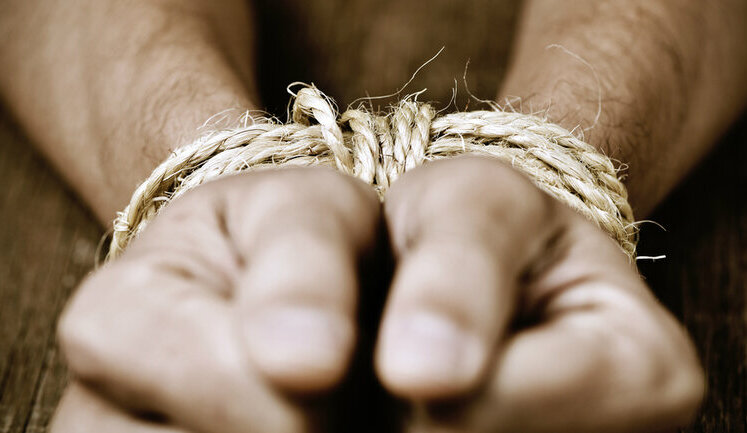
The unfolding humanitarian crisis highlights the torture of Ukrainian prisoners of war in Russian prisons, with reports confirming at least 406 deaths and extensive abuses. The EU has sanctioned prison officials in response to these grave violations. Reports from the Ukrainian government and international organizations like Human Rights Watch confirm the widespread use of torture and highlight Russia’s withdrawal from the Convention on Torture as indicative of systemic abuses. Each revelation underlines the urgent need for international accountability and justice for the victims. Over 80% of bodies returned show signs of torture, indicating a pattern of inhumane treatment extended to Ukrainian captives.
What is the scale of torture against Ukrainian POWs in Russia?
The scale is alarming, with more than 95% of approximately 7,000 Ukrainian prisoners in Russia reportedly undergoing torture. Systematic abuse, including 695 documented forms of torture, has been revealed by both Ukrainian authorities and international human rights organizations.
Who are the entities involved in imposing sanctions related to these crimes?
The European Union has imposed sanctions against seven officials from Mordovia's Penal Colony No. 10 due to their involvement in the torture of Ukrainian prisoners. Such measures aim to hold perpetrators accountable and deter further violations.
Has there been any international response to the torture of Ukrainian captives?
Yes, international bodies like Human Rights Watch and the UN Commission have condemned these acts, categorizing them as crimes against humanity. The international community calls for thorough investigations and sanctions against those responsible.
What evidence exists regarding torture tactics in Russian prisons?
Evidence includes intercepted communications ordering torture, testimonies from surviving prisoners, and forensic analyses of repatriated bodies showing signs of severe abuse. Journalists have also identified individuals involved in carrying out these brutal acts.
Are there any notable cases of individual mistreatment in Russian detention?
Yes, known cases include the torture of Oleksandr Krokhmalyuk, a defender of Mariupol, and journalist Viktoriia Roshchyna, highlighting individual stories of suffering among the generalized reports of abuse in detention facilities.
Why did Russia withdraw from the Convention on Prevention of Torture?
Russia's withdrawal from the Convention on Prevention of Torture underscores its defiance against international law, manifesting a legal environment where prisoners’ human rights are systematically violated without the shield of international oversight.
How are Ukrainian authorities responding to these acts?
The Ukrainian government is actively investigating cases with the help of defense intelligence and international cooperation to identify and prosecute those involved in perpetrating these human rights violations through documented evidence and witness testimonies.
What repercussions have been felt by the international community regarding these acts?
These violations have strained diplomatic relations and triggered calls for increased sanctions and international trials. There is a growing demand for justice from global leaders to prevent further atrocities against POWs and uphold human rights standards.