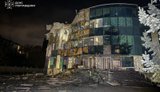
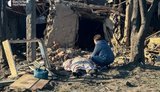
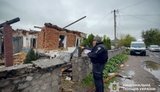
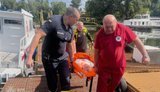
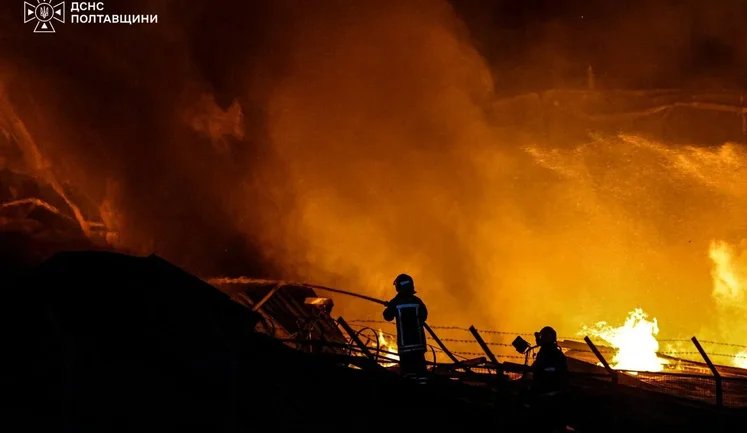
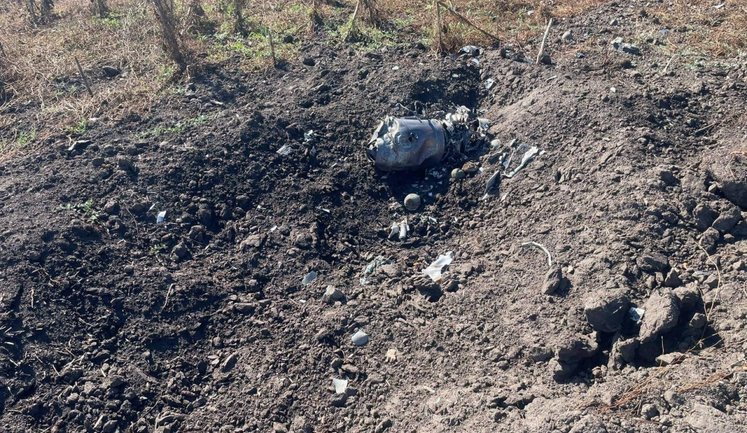
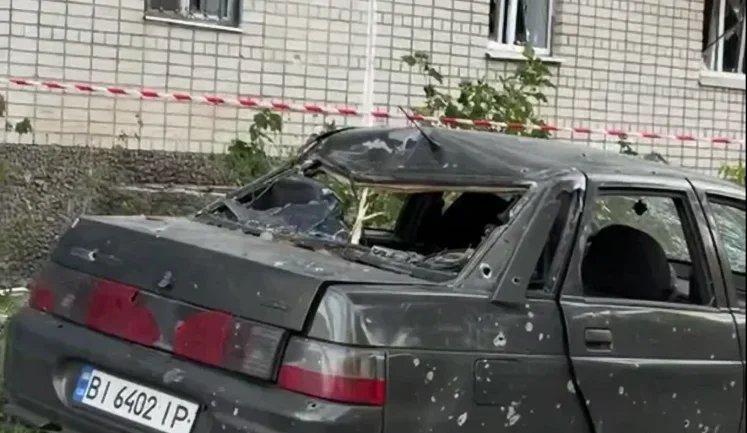
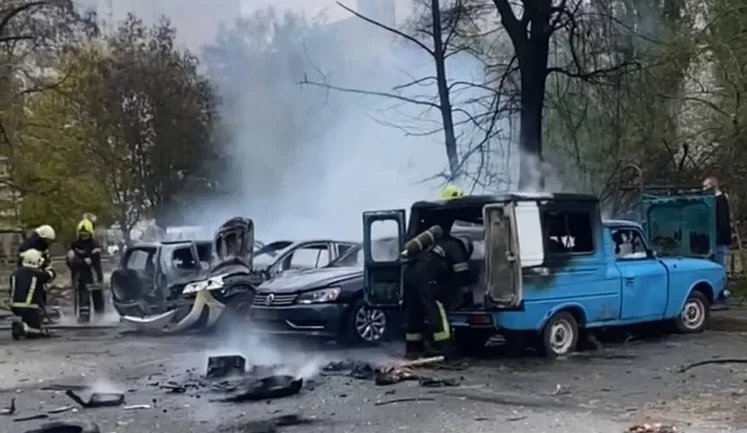
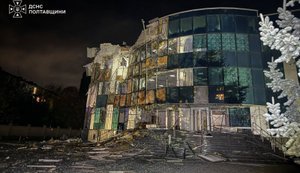
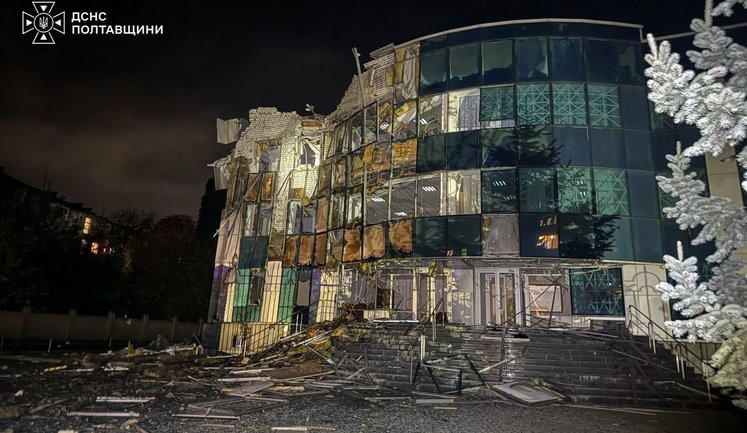
The Poltava region in Ukraine has faced repeated Russian attacks, affecting residential and industrial areas. A recent strike on Kremenchuk resulted in two deaths and 47 injuries, with high-rise buildings severely damaged. Repeated missile and drone assaults on key infrastructure, such as energy and transportation facilities, have led to significant destruction and civilian casualties. Despite the attacks, efforts continue to restore essential services and support the affected communities. Discover more about the impact of these attacks and the ongoing resilience of the Poltava region residents as they face these challenges.
What are the effects of the Russian attack on the Poltava region?
The Russian attack on the Poltava region has led to substantial damage to residential and industrial areas. It has resulted in numerous casualties, including deaths and injuries. The ongoing strikes have severely impacted infrastructure, causing disruptions to transportation and essential services. Residents and authorities are actively engaged in recovery efforts to restore order and provide relief to affected communities.
How has the Kremenchuk community been affected by recent attacks?
The community of Kremenchuk in the Poltava region has suffered from significant Russian attacks. A recent strike resulted in fatalities and multiple injuries, with damage to residential buildings. The community faces challenges in rebuilding, but ongoing support and recovery initiatives aim to restore stability and assist affected individuals.
What type of infrastructure has been targeted in the Poltava region?
The Russian attacks on the Poltava region have targeted a wide range of infrastructure, including transportation facilities, energy plants, and industrial sites. Strikes have caused extensive damage, resulting in disruptions to public services and increased challenges in daily life. Efforts are underway to repair and restore these critical infrastructures to support community resilience.
Are there any ongoing recovery efforts in Poltava following the attacks?
Yes, there are active recovery efforts in the Poltava region following the Russian attacks. Local authorities, rescue teams, and community members are working diligently to restore essential services such as water, electricity, and transportation. Additionally, support is provided to affected residents, including temporary shelter, medical care, and psychological assistance, to help them recover from the aftermath of these events.
How are Ukrainian defense and rescue services responding to the attacks?
Ukrainian defense and rescue services are responding assertively to the attacks in the Poltava region. Their efforts include deploying air defense systems to counter incoming threats and actively engaging in rescue missions to save lives. Additionally, these services coordinate with other organizations to provide relief, ensure public safety, and support recovery operations to manage the consequences of ongoing hostilities.
What has been the international response to the Russian attacks on Poltava?
The international response to the Russian attacks on the Poltava region underscores global concern and support for Ukraine. Various nations and organizations have condemned the aggression, offering humanitarian aid, diplomatic backing, and military assistance to bolster Ukraine's defenses. The international community calls for an end to hostilities and supports initiatives aimed at restoring peace and security in the region.
What are the key challenges faced by civilians in the Poltava region?
Civilians in the Poltava region face numerous challenges due to the ongoing attacks. These include threats to personal safety, displacement, and access to essential services. Infrastructure damage disrupts daily life, and the emotional and psychological impact of conflict presents additional hurdles. The resilience of the community is evident as they navigate these difficulties with support from local and international organizations.