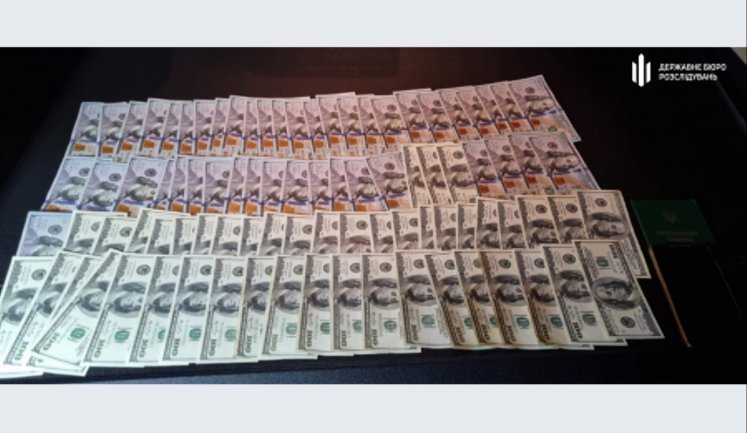
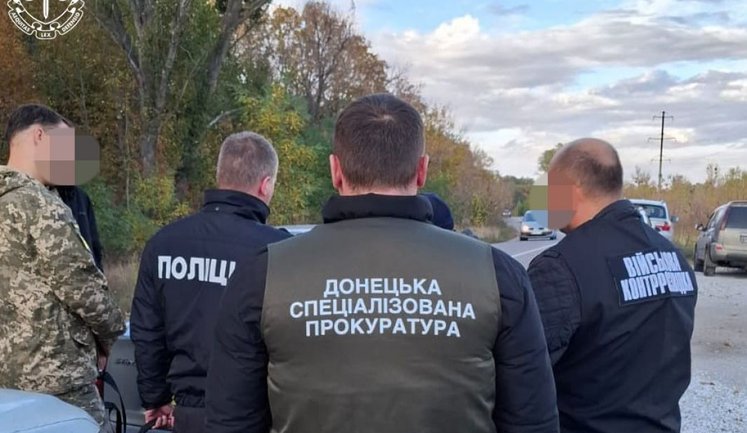
Recent scandals in the Ukrainian army highlight alarming instances of bribery involving military officials. A military officer from the Dnipropetrovsk region was detained for offering to arrange a frontline rotation in exchange for a bribe. Similarly, in the Donetsk region, a major was charged with demanding $7,000 to transfer a soldier to another unit. Additionally, an individual and a TCR employee in Mykolaiv orchestrated a bribe for releasing a mobilized soldier, resulting in court proceedings. These events underscore ongoing corruption challenges within the Armed Forces of Ukraine, necessitating stringent oversight and reform to restore integrity and trust.
What was the specific role of the Dnipropetrovsk officer in the bribery case?
The officer promised to add a soldier to a rotation list for a frontline withdrawal in exchange for a bribe. This act was a clear violation of military ethics and legality, compromising the integrity of military operations and trust.
How did the authorities respond to bribery in the Donetsk region?
The authorities in the Donetsk region responded by issuing a notice of suspicion against a major. He was accused of soliciting a $7,000 bribe to facilitate a service member's transfer, highlighting corruption in the financial and economic sectors of the military.
What role did the Security Service of Ukraine play in these investigations?
The Security Service of Ukraine played a collaborative role in the investigation and detention processes. Their involvement is crucial for maintaining national security and ensuring corrupt practices within the military are systematically addressed and eradicated.
Why was the Mykolaiv case particularly significant?
The Mykolaiv case is significant due to the involvement of both a civilian and an RTCR employee, indicating a broader network of corruption. The intermediaries exploited systemic vulnerabilities to extort bribes, showcasing the need for cross-departmental efforts to combat corruption.
What measures are being taken to prevent future bribery in the Ukrainian armed forces?
To prevent future bribery, Ukrainian authorities are likely developing stricter oversight mechanisms, enhancing internal audits, and fostering a culture of transparency and accountability within the Armed Forces. Legal reforms and increased public awareness campaigns are also critical components in deterring such corrupt practices.
How do these bribery cases affect overall military morale?
These bribery cases can severely impact military morale by undermining trust within the ranks and among the public. Soldiers and families may feel demoralized, questioning the fairness and integrity of leadership, thus highlighting the importance of prompt and effective corrective actions.