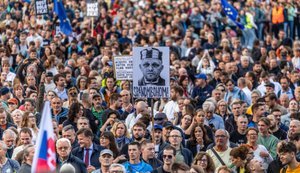
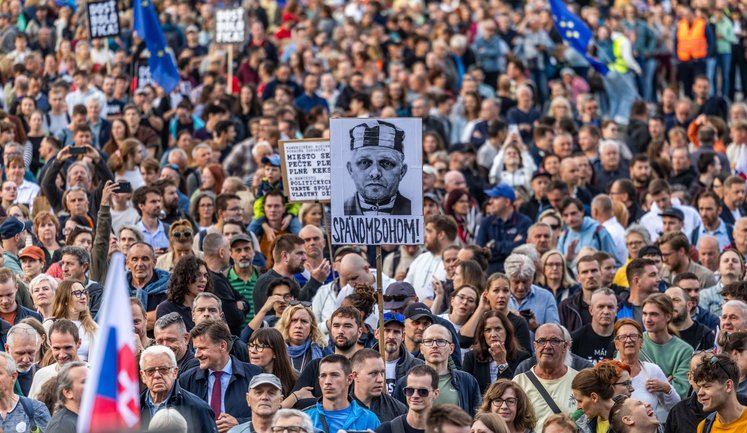
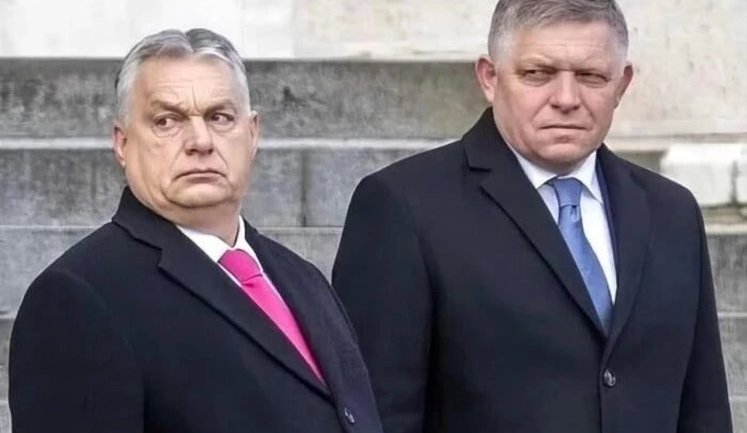
In Slovakia, protests against Prime Minister Robert Fico have intensified following his controversial comments urging those supporting the war to "go fight in Ukraine". This statement, made during a meeting with high school students in Poprad, has triggered a wave of discontent, particularly among the youth, culminating in school protests. Additionally, a large-scale nationwide protest was held on September 16, where thousands voiced their opposition to Fico's economic and pro-Russian policies. These events underscore the growing disillusionment and frustration among Slovak citizens as they challenge Fico’s leadership and policies.
What did Robert Fico say to provoke protests in Slovakia?
Robert Fico, the Slovak Prime Minister, incited protests by suggesting that those who support the war should "go fight in Ukraine" during a meeting with high school students. This remark was perceived as dismissive and provoked a backlash, particularly within the student community.
What are the main reasons behind the protests against Fico?
The primary reasons behind the protests against Fico include his controversial comments regarding the Ukraine war and his government's economic and pro-Russian policies. Citizens express dissatisfaction with his leadership and demand changes in governance.
How have students responded to Fico's statements about Ukraine?
Students have responded to Fico's statements with protests, particularly in Poprad, where he made the comments. The youth have taken to organizing demonstrations to express their discontent and assert their opposition to being dismissed in such a manner.
When did the nationwide protest against Fico's policies occur?
The nationwide protest against Fico's policies occurred on September 16, when thousands of Slovak citizens participated in a mass demonstration. The event was aimed at voicing opposition to Fico's economic direction and pro-Russian stance.
What impact might these protests have on Fico's government?
The protests could significantly impact Fico's government by increasing internal and international pressure to address the grievances of the citizens. Continued dissatisfaction might lead to calls for political reforms or a shift in policy direction to placate public dissent.