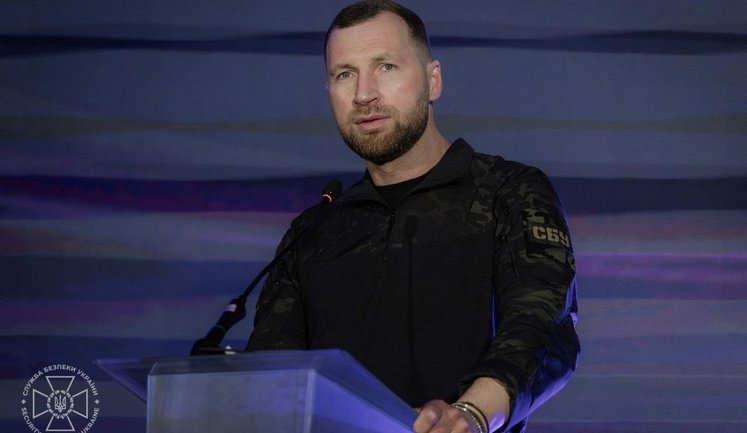
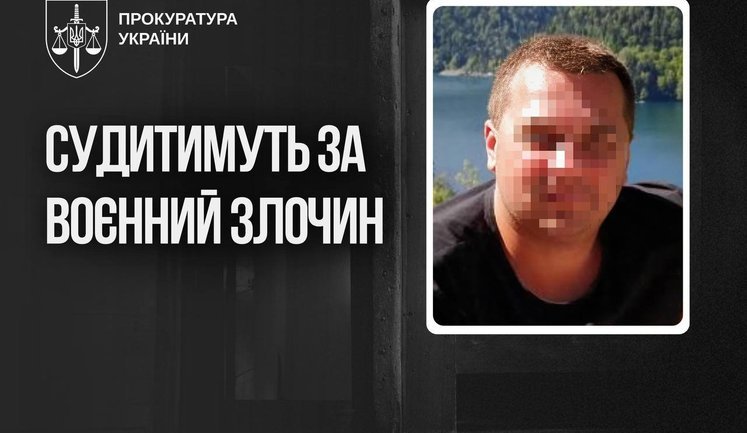
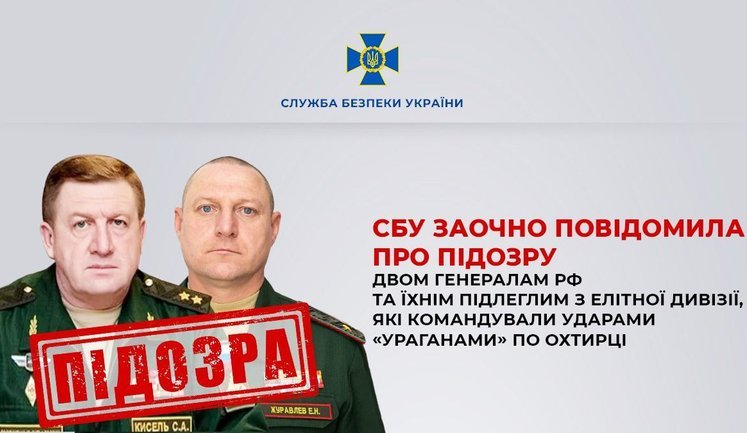
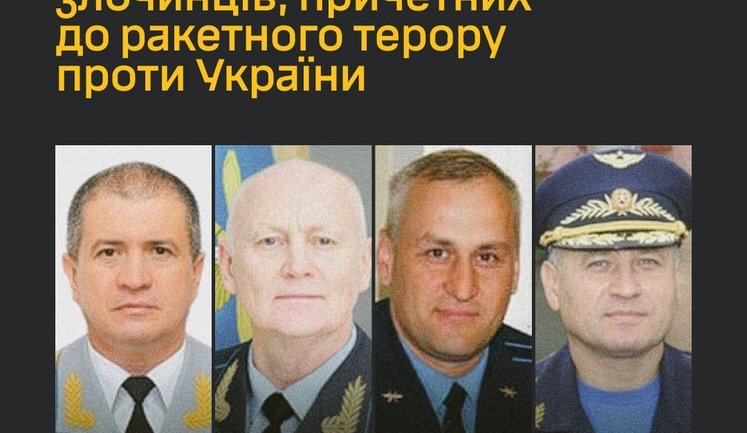
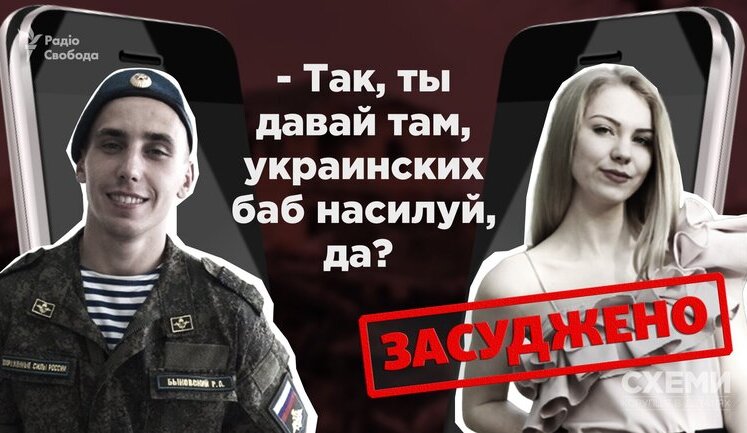
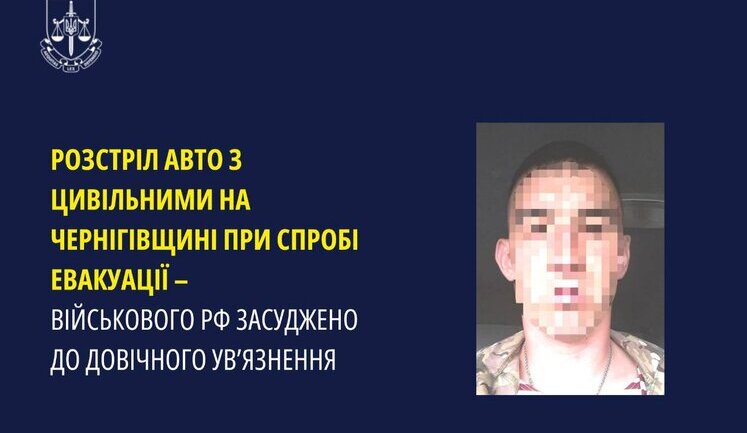
Amid escalated tensions, Ukraine has launched a comprehensive investigation into Russian war crimes. The Prosecutor General's Office is spearheading inquiries into civilian exploitation, including a 13-year-old used as a human shield in Pokrovsk. For the first time, Ukraine has extradited a Russian soldier to Lithuania for trial, marking a significant step forward in international justice efforts. The SSU unveiled allegations against Russian generals orchestrating attacks in Okhtyrka. Meanwhile, the Defence Intelligence of Ukraine released names of those implicated in missile attacks on civilians. Over 40 OSCE nations are probing the torture of POWs by Russia, reflecting global concern. An UN analysis confirmed Russia's role in the Olenivka massacre, while the U.S. discusses halting funding for war crimes investigations. These developments underscore ongoing efforts to hold Russian forces accountable for over 162,000 documented war crimes in Ukraine.
What are the new developments in Ukraine's war crimes investigation?
Ukraine is actively pursuing investigations into Russian war crimes, such as the Prosecutor General's probe into the use of civilians as human shields. Additionally, Ukraine's extradition of a Russian soldier to Lithuania for trial represents a pioneering step in international justice cooperation. Meanwhile, the SSU and global bodies like the OSCE are raising efforts to address documented atrocities.
Which significant measure has Ukraine taken to prosecute Russian war crimes?
In a significant measure, Ukraine has extradited a Russian serviceman to Lithuania for trial on war crimes charges, marking the first such event since the full-scale war began. This sets a crucial legal and diplomatic precedent in holding individuals accountable on an international platform.
How is international collaboration aiding Ukraine's war crimes investigations?
International collaboration is pivotal, with over 40 OSCE countries advocating for an independent investigation into the treatment of Ukrainian POWs. Furthermore, Ukraine's legal engagement with Lithuania underscores a unified stance against war crimes, bolstering efforts to seek justice and accountability.
What evidence has been gathered against Russian military leaders?
The SSU has gathered substantial evidence implicating Russian generals in orchestrating severe attacks on Okhtyrka, utilizing Grad and Uragan rocket systems against civilian targets. This documentation forms part of expansive efforts to hold military leadership accountable for strategic and systematic war crimes.
What role is the UN playing in the investigation of Russian war crimes?
The UN has confirmed through an internal analysis that the attack in Olenivka was meticulously executed by Russian forces. This report adds significant weight to international calls for Russian accountability, intensifying pressure on the global stage to address and penalize these acts of violence.