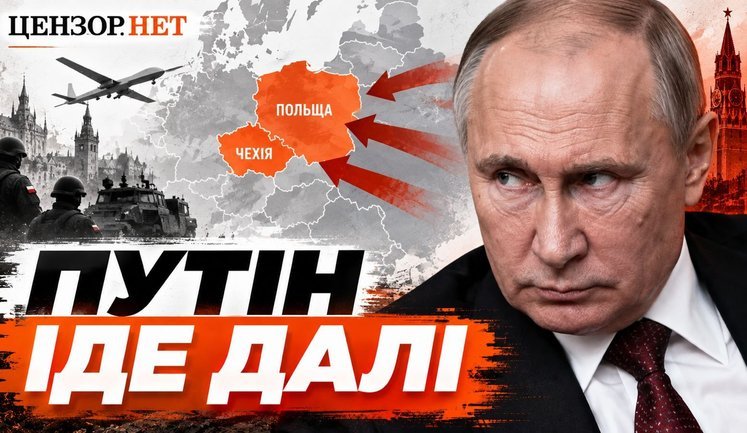
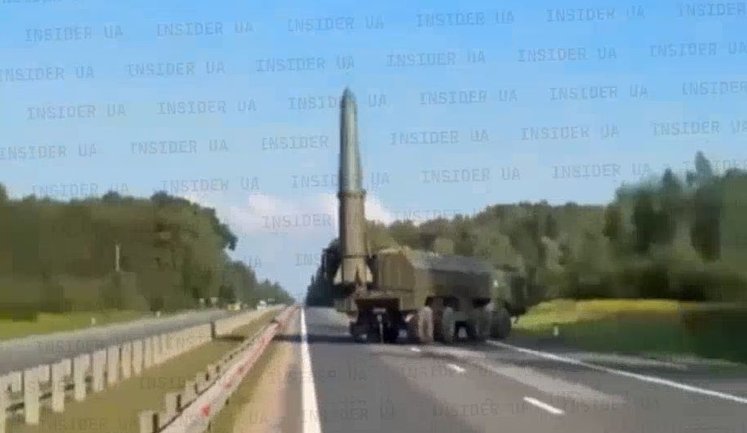
The threat of Russian aggression towards the European Union is becoming increasingly palpable, with influential political figures across the continent voicing their concerns. The Ukrainian Foreign Minister's response to Russian proposals highlights the critical nature of this emerging security crisis. Russian diplomat Alexei Drobinin suggested Moscow might consider non-aggression pacts with NATO countries, yet many view this as thinly veiled blackmail. Donald Tusk, Poland’s Prime Minister, has expressed worry about potential Russian escalations in hybrid warfare tactics. NATO remains vigilant, ready to reinforce defense on Europe’s eastern flank. Meanwhile, CIA alerts regarding potential Russian drone incursions into Spain, France, and Italy heighten tensions. As Europe braces for possible conflict, these developments underscore the pressing need for a unified and robust response to any Russian aggression against EU member states.
How are European countries responding to the threat of Russian aggression?
European countries are taking proactive measures to counter potential Russian aggression. Poland is enhancing border security with Ukraine, and NATO is strategically positioning itself to respond decisively. Discussions about increased military readiness and the introduction of "military Schengen" for quicker troop movements reflect the heightened concerns within Europe. Intelligence warnings and diplomatic dialogues are actively shaping policies to ensure robust defense strategies are in place.
What has been NATO's stance on the threat posed by Russia to member states?
NATO remains vigilant in the face of potential Russian escalation. With discussions on preparedness and deterrence strategies, the Alliance underscores its commitment to defend member states. Polish Foreign Minister Radosław Sikorski has warned of a robust response, both defensive and offensive should Russia make aggressive moves. Additionally, Admiral Dragone reassures that NATO is prepared to counter any threats, keeping the eastern flank secure.
What diplomatic actions are being considered by Russia in relation to NATO countries?
Russian diplomat Alexei Drobinin recently alluded to potential non-aggression pacts with individual NATO countries as part of a proposed new security framework. However, Ukraine and other EU nations view these overtures with skepticism, suspecting them of being strategic moves aimed at dividing the unified stance against Russian threats. Such diplomatic maneuvers are perceived as attempts to diminish collective security efforts.
How does the potential threat of Russian aggression impact European security policies?
The potential threat of Russian aggression is significantly influencing European security policies. Countries are actively reevaluating their defense postures, with some, like Estonia, asserting they are better prepared than NATO as a whole. Mutually assured assistance exercises and the creation of rapid mobilization reserves indicate a committed shift towards strengthened readiness and collective defense preparedness among EU and NATO allies.
What are the concerns about hybrid warfare tactics by Russia in Europe?
Hybrid warfare tactics by Russia raise significant alarm as they often blend military aggression with cyber operations and disinformation campaigns. Poland's Prime Minister Donald Tusk has highlighted the risk of Russia escalating hybrid warfare before Christmas. These tactics aim to create disruption and confusion among European nations. As a response, European countries are enhancing cyber defenses and closely monitoring airspace to preempt any unexpected incursions or sabotage activities that could destabilize regional security.
What is the importance of "military Schengen" in the context of Russian aggression?
The concept of "military Schengen" is crucial as it entails a fast-track system enabling swift troop movements across the European Union. This proposal is significant amid the increasing threat of Russian aggression, ensuring that EU member states can rapidly respond to any military threats. Such a system would streamline logistical capabilities and enhance operational efficiency in deploying forces, proving vital in maintaining deterrence and defense in the region.