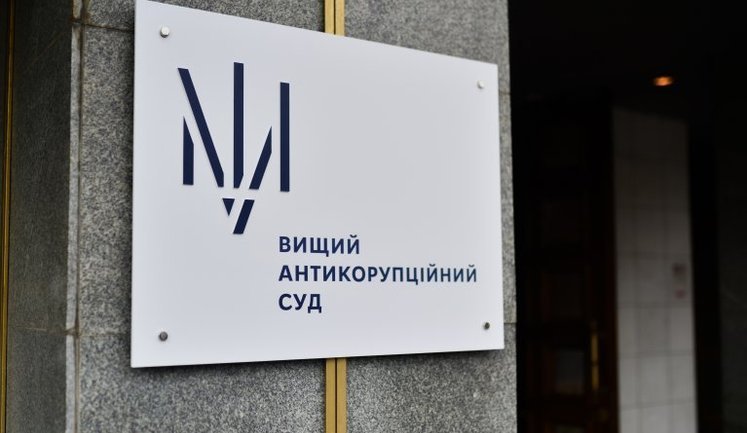
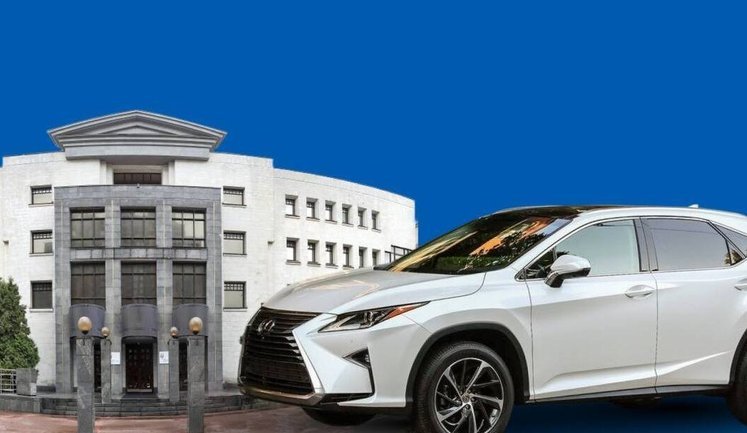
The confiscation of unjustified assets has become a significant trend in Ukraine, with the High Anti-Corruption Court (HACC) and the Specialised Anti-Corruption Prosecutor’s Office (SAPO) leading the charge. Recent cases reveal the breadth of this initiative: from the recovery of UAH 909,000 for a former Justice Ministry official’s Range Rover to the confiscation of assets from various officials' families, including properties and luxury vehicles like Lexus and Mercedes. The Supreme Court's decisions reinforce this movement, affirming the state’s right to reclaim UAH 1.8 million from illicit sources. Numerous officials, such as those from the Kyiv City Council, have been targeted, showcasing a rigorous enforcement of anti-corruption laws aimed at recovering millions for the state.
What actions are taken against unjustified assets in Ukraine?
The High Anti-Corruption Court (HACC) and the Specialised Anti-Corruption Prosecutor’s Office (SAPO) are actively involved in confiscating unjustified assets in Ukraine. This involves recovering proceeds from sales of luxury vehicles, confiscating properties, and other assets tied to corruption. The focus is on redirecting funds to state revenue.
Which court oversees the confiscation of assets in Ukraine?
The High Anti-Corruption Court (HACC) is the primary judicial body overseeing the confiscation of unjustified assets in Ukraine. Working alongside the Specialised Anti-Corruption Prosecutor’s Office (SAPO), HACC addresses cases involving public officials and suspected corruption, enforcing the recovery of state assets.
What types of assets are being confiscated in Ukraine for being unjustified?
Various types of assets are subject to confiscation in Ukraine, including luxury vehicles such as Range Rovers and Mercedes, properties, parking spaces, and significant amounts of money, often in the form of cash or revenue from property sales. These assets are deemed unjustified and are recovered to bolster state revenue, especially from those linked to tax and bribery scandals.
How does confiscation help anti-corruption efforts in Ukraine?
Confiscating unjustified assets deters corrupt practices by penalizing individuals involved in illicit enrichment. The recovery of such assets to state ownership not only dissuades potential corrupt activities but also strengthens public confidence in legal and anti-corruption efforts. The movement supports transparency and proper governance by holding officials accountable for their financial disclosures.
Have any high-profile individuals been targeted for asset confiscation?
Yes, several high-profile individuals in Ukraine have been targeted, including Deputy Prime Minister Oleksii Kuleba and various officials within the Justice Ministry, Tax Services, and National Police departments. The crackdown demonstrates that senior positions do not provide immunity from corruption charges and asset recovery, thus reinforcing the rule of law.
What is the role of the Supreme Court in upholding confiscation cases?
The Supreme Court plays a crucial role in ensuring the legality and fairness of confiscation cases. It reviews appeals and upholds decisions made by lower courts like HACC to confirm the rightful confiscation of unjustified assets, ensuring thorough judicial scrutiny and adherence to legal standards in high-profile cases.