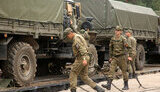
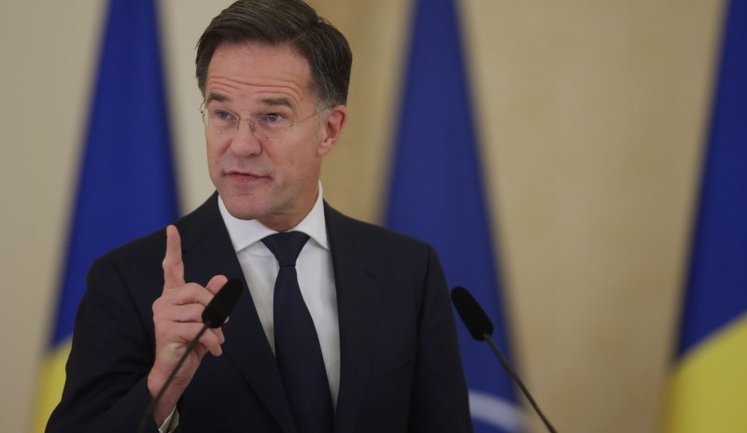
The military training exercises conducted jointly by Belarus and Russia have become a focal point of international concern. These exercises, particularly the nuclear drills labeled as a "signal to Europe and NATO" by Kremlin spokesperson Dmitry Peskov, underscore the escalating tensions in the region. Belarus' self-proclaimed president Alexander Lukashenko has denied intentions to enter the war with Ukraine. However, he has simultaneously warned of a joint response with Russia if Belarus is attacked. The exercises involve significant military equipment, stirring unease among neighboring countries. Meanwhile, NATO Secretary General Mark Rutte has issued warnings of devastating consequences should nuclear weapons be employed. The West-2025 exercise, a notable component of these military maneuvers, is criticized by Ukrainian President Zelenskyy as non-defensive and suggestive of broader aims. Poland's decision to close its border with Belarus underscores the gravity of the situation, as leaders express concerns about the potential threat these exercises pose to regional stability. This development highlights the importance of monitoring military activities and maintaining diplomatic channels to prevent further escalation.
What are the joint military exercises by Russia and Belarus?
The joint military exercises conducted by Russia and Belarus, commonly referred to as the "Zapad" series, involve large-scale military maneuvers and drills. These exercises are designed to enhance military coordination between the two countries. The recent drills, known as West-2025, included the deployment of modern warfare systems such as the Oreshnik missile system, signaling a significant show of military capability aimed at indicating their strategic intentions to NATO and European nations.
Why is NATO concerned about Belarus and Russia's military drills?
NATO's concern regarding the military drills of Belarus and Russia stems from the aggressive nature and scale of these exercises, which often involve nuclear components and simulate offensive scenarios. These actions are perceived as a threat not only to Ukraine but also to NATO member states along the alliance's eastern flank. The Kremlin's description of these drills as a "signal to NATO" raises alarms about Russia's strategic objectives, contributing to broader regional security tensions.
How does Ukraine view the military exercises of Belarus and Russia?
Ukraine views the joint military exercises of Belarus and Russia with significant apprehension, considering them a major security threat. Ukrainian officials, including President Volodymyr Zelenskyy, have characterized these exercises as non-defensive with potential implications that extend beyond Ukraine's borders. Kyiv is particularly wary of the intent behind these maneuvers, suspecting they could serve as a cover for more aggressive actions against Ukraine or other neighboring countries.
What actions has Poland taken in response to the Zapad exercises?
In response to the Zapad exercises conducted by Russia and Belarus, Poland has taken precautionary measures by closing all its border crossing points with Belarus. This decision reflects Warsaw's concerns over the potential destabilizing effects of these military drills. By sealing its border, Poland aims to mitigate any security risks associated with the significant military activities occurring near its territory, while also sending a message of solidarity with NATO allies.
Did Belarus express any intentions towards Ukraine amid military exercises?
Amidst the military exercises, Belarus, led by self-proclaimed president Alexander Lukashenko, has publicly stated that it does not intend to participate in the war against Ukraine. However, Lukashenko has simultaneously cautioned that Belarus, allied with Russia, might retaliate if its territory comes under attack. These statements illustrate the complex and often contradictory positions taken by Belarus regarding its military alliances and geopolitical stance in relation to Ukraine and Russia.
What are the implications if nuclear weapons are involved in the drills?
The involvement of nuclear weapons in the joint drills by Russia and Belarus sharply escalates international concerns. Such actions not only provoke fears of an actual nuclear confrontation but also heighten geopolitical tensions. NATO Secretary General Mark Rutte has emphasized that if nuclear weapons are used, the repercussions for Russia would be severe and devastating. This highlights the significant global implications and the urgent need for diplomatic efforts to prevent any escalation involving nuclear arms in the region.
What has been the European Union's response to military drills in Belarus?
The European Union, observing the military drills involving Belarus and Russia, has expressed concerns over their broader implications for regional security. With the exercises being perceived as a direct challenge to European stability, EU leaders have called for heightened vigilance and diplomatic efforts to address Russia's military posturing. The EU continues to engage in dialogue with NATO and other partners to formulate a coordinated response while emphasizing the importance of preserving peace and security in the region.