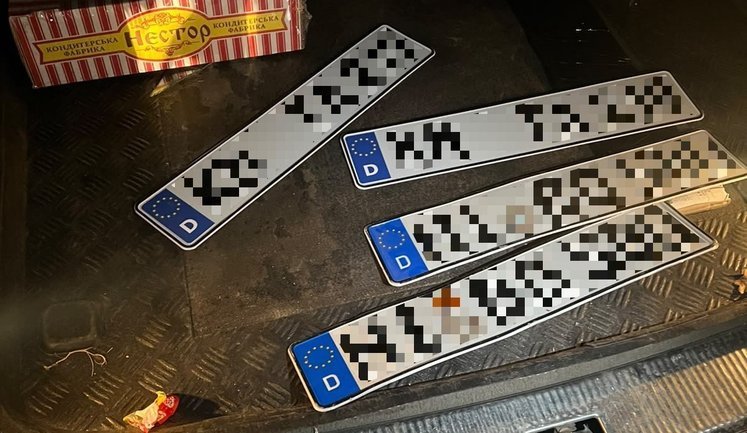
Recent investigations in Ukraine have revealed multiple schemes involving profiteering from humanitarian aid meant for the Armed Forces. Law enforcement officers discovered that vehicles were illegally imported under the guise of aid and subsequently sold for profit. In Kyiv, a criminal gang was charged with selling over 3,000 vehicles intended as aid. In Volyn region, 100 cars were imported fraudulently over two years. Similarly, a resident in Cherkasy and a woman in Kyiv faced charges for selling these vehicles. The Security Service also dismantled a scheme involving the embezzlement of donations, highlighting widespread corruption affecting aid distribution intended for the military.
What are the consequences of profiteering from humanitarian aid?
Profiteering from humanitarian aid severely undermines trust in charities and humanitarian efforts. It diverts resources meant for those in need, impedes military support, and can lead to legal consequences for those involved, including trials and imprisonment. The exposure of such schemes also highlights issues in regulatory oversight and the need for stronger measures against fraudulent activities.
How have illegal schemes impacted the Ukrainian Armed Forces?
The illegal schemes have deprived the Armed Forces of Ukraine of essential resources, as vehicles intended for military use were sold for profit instead. This compromises operational capabilities and underscores the need for stricter controls on aid distribution to prevent resource diversion and ensure the military receives necessary support.
What regions in Ukraine have been affected by profiteering schemes?
Profiteering schemes have been uncovered in several Ukrainian regions, including Kyiv, Cherkasy, Volyn, and areas in the south and east of Ukraine. These schemes involved the illegal import and sale of vehicles intended as aid for the Armed Forces, demonstrating that the issue of profiteering is widespread across the country.
What actions have been taken against those involved in profiteering from aid?
Authorities in Ukraine have conducted investigations leading to the exposure and dismantling of profiteering schemes. Individuals involved have been detained and face legal proceedings, including charges and trials. These actions aim to address corruption and ensure accountability for fraudulent activities affecting humanitarian aid distribution.
How did law enforcement uncover schemes involving vehicle sales?
Law enforcement in Ukraine utilized coordinated efforts and investigations to uncover schemes involving illegal vehicle sales. These efforts included undercover operations, analysis of import records, and collaboration with various law enforcement agencies. Such actions have been crucial in exposing those who profit dishonestly from humanitarian aid.
What steps can be taken to prevent profiteering from humanitarian aid?
To prevent profiteering, it is essential to enforce strict regulations on aid distribution, enhance transparency in import processes, and conduct regular audits. Strengthening legal frameworks and improving coordination between law enforcement and humanitarian organizations can deter fraudulent activities and ensure aid reaches its intended recipients without diversion.
How has the public reacted to these profiteering schemes?
The revelation of profiteering schemes has led to public outrage in Ukraine, as these actions undermine trust in humanitarian efforts and the support provided to the Armed Forces. There are calls for increased transparency, stronger legal actions against perpetrators, and better oversight of aid distribution processes to prevent future incidents.
What role do charitable foundations play in these schemes?
In some cases, charitable foundations have been implicated in profiteering schemes by facilitating the illegal import and sale of vehicles under the guise of humanitarian aid. These actions exploit trust and can involve organized efforts to embezzle donations and resources meant for military support, revealing the need for greater accountability in the nonprofit sector.
Are there any legal loopholes allowing for profiteering from aid?
While specific legal loopholes may exist, the exposure of multiple cases suggests weaknesses in enforcement and oversight rather than permissive legal structures. Efforts are needed to tighten regulations, improve transparency, and enhance enforcement to prevent such activities and ensure aid fulfills its intended purpose.
How significant is the issue of profiteering from humanitarian aid in Ukraine?
Profiteering from humanitarian aid presents a significant problem in Ukraine, with widespread implications for military support and public trust. The exposure of numerous schemes indicates a serious challenge that requires reinforced enforcement actions, legislative reforms, and collaboration between authorities and humanitarian agencies to effectively tackle and prevent future occurrences.