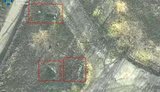
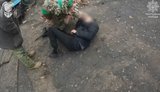
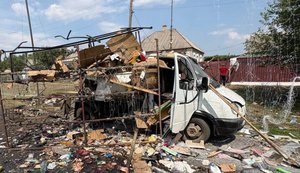
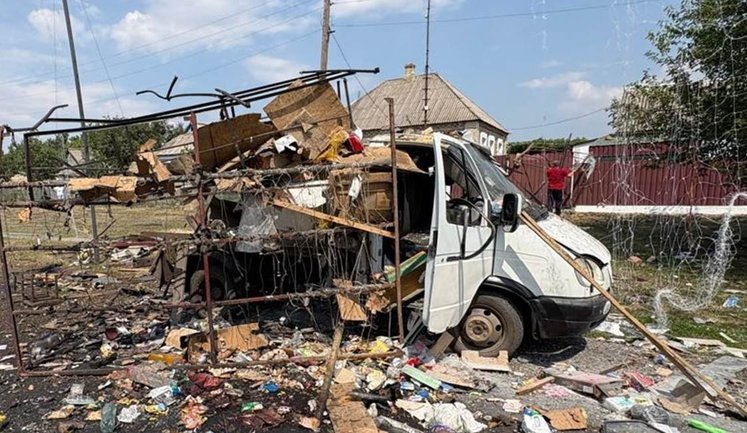
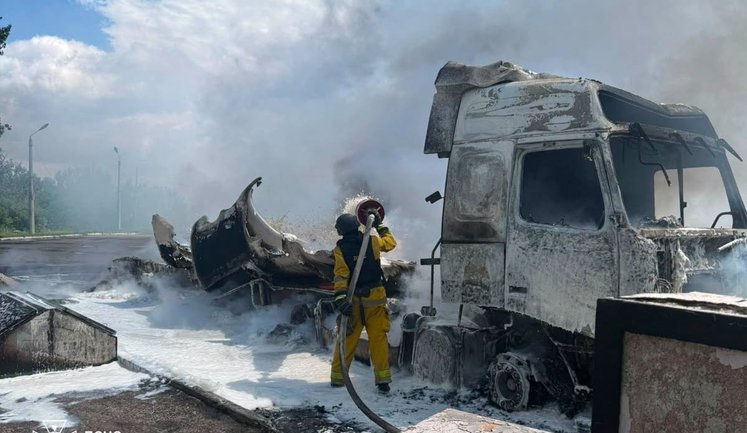
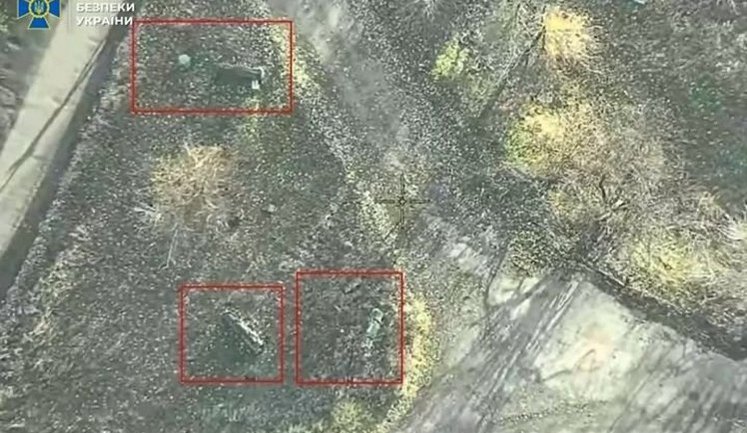
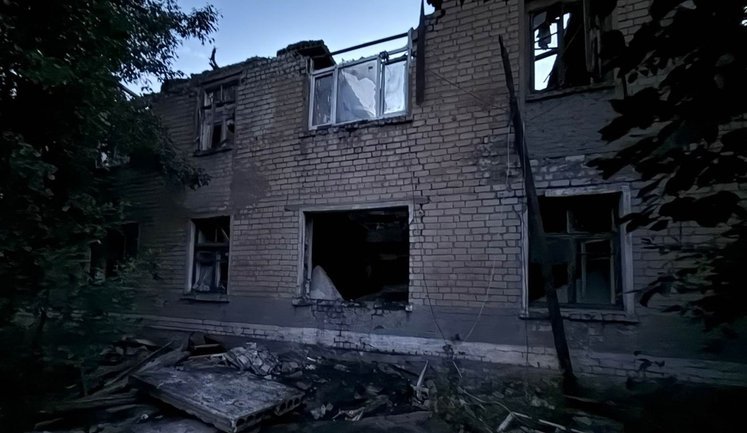
Frequent UAV attacks on the Donetsk region have intensified, targeting locations such as Sloviansk and Kostiantynivka. Russian FPV drones have been reported to strike various civilian and military targets, causing significant damage and casualties. In Sloviansk, a drone attack on a lorry at a petrol station exemplifies the threat. Such attacks often result in civilian injuries, exemplified by a recent drone strike in Kostiantynivka that injured a returning funeral attendee. Moreover, targeted attacks on repair professionals, as witnessed with the DTEK crew, highlight the widespread nature of these assaults. The SSU continues its combat operations to neutralize these threats, achieving success despite the ongoing challenges.
What type of UAVs are Russia employing in the Donetsk region?
Russia is utilizing various UAVs, including FPV (First Person View) drones and strike UAVs like the "Geran-2" Shahed-type to target both military assets and civilian infrastructure in the Donetsk region. These drones have been involved in numerous attacks causing significant damage and casualties.
How are UAV attacks impacting civilians in Donetsk?
UAV attacks have severely impacted civilians in Donetsk, causing injuries and fatalities. Incidents include attacks on individuals, such as the man in Kostiantynivka and families on bicycles, leading to significant civilian casualties and highlighting the ongoing threat to everyday life in the region.
What measures are being taken to counter UAV threats in the Donetsk region?
The Ukrainian Security Service's Main Directorate is actively engaging in counter-UAV operations. Their combat task force is focused on destroying Russian UAVs and related enemy assets in the region to mitigate the aerial threat and enhance regional security.
How effective have Russian UAVs been in military actions in Donetsk?
Russian UAVs have proven to be highly effective in military operations within Donetsk. They have successfully targeted civilian infrastructures, such as fuel lorries, and military installations, significantly impacting the region's defense and daily functional capabilities.
Are there international responses to the UAV escalation in Donetsk?
Internationally, there is increased attention to the conflict intensity in Donetsk, including UAV escalations. However, responses primarily focus on diplomatic and aid efforts, as direct military interventions remain cautious due to the complex geopolitical implications.
What are the specific targets of UAVs in Donetsk region?
UAV targets in the Donetsk region include civilian vehicles, infrastructure, such as fuel stations, and personnel like emergency service workers. Military assets and repair crews have also been targeted, demonstrating a strategy to disrupt both civilian and military stability.
What is the significance of the UAV attacks in Sloviansk and Kostiantynivka?
The UAV attacks in Sloviansk and Kostiantynivka signify strategic attempts to destabilize critical areas within the Donetsk region. Sloviansk's fuel facilities and Kostiantynivka's civilian areas represent vital targets aimed at disrupting supply lines and civilian morale, respectively.
Has the frequency of UAV attacks increased in Donetsk recently?
Yes, there has been a noticeable increase in the frequency of UAV attacks in Donetsk. Russian forces have ramped up the use of drones in recent months, intensifying pressure on both military and civilian targets, exemplifying the volatile situation in the region.
How does the SSU combat task force operate against UAV threats?
The SSU combat task force operates by coordinating with military units to identify and neutralize UAVs and related enemy assets. Their operations involve intelligence gathering and tactical responses aimed at limiting the operational capacity of enemy drones in the region.
What are the humanitarian impacts of UAV attacks in the Donetsk region?
UAV attacks in the Donetsk region have dire humanitarian impacts, including civilian casualties and psychological distress. They disrupt daily life, hinder access to necessary services, and exacerbate the ongoing humanitarian crisis, underlining the urgent need for comprehensive assistance in affected areas.