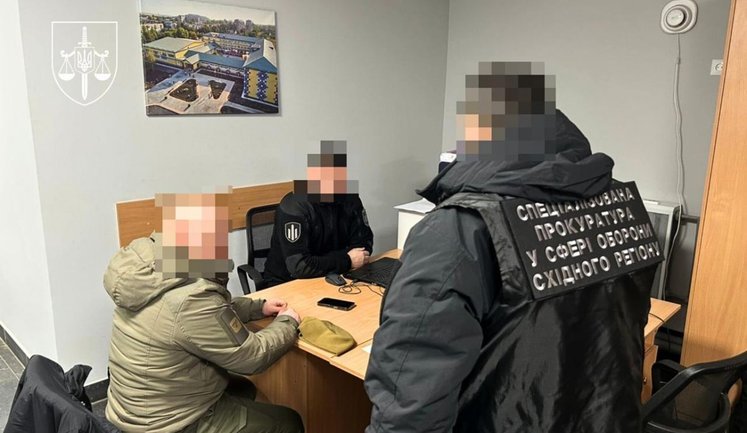
The Ukrainian State Bureau of Investigation (SBI) has uncovered a significant embezzlement scheme involving army property purchases in the Lviv region. A former commander of a military unit, who currently serves as the deputy head of the Zolochiv District Military Administration, was implicated in buying army beds at highly inflated prices. This illicit activity resulted in the state losing more than UAH 2.6 million. This case highlights ongoing issues of corruption and misconduct within military procurement processes, emphasizing the need for strengthened oversight and transparency to prevent further financial losses. The SBI continues its investigation, aiming to hold accountable those involved and recover the lost funds.
What region was affected by the discovered embezzlement scheme?
The embezzlement scheme was discovered in the Lviv region, where inflated purchases of army properties led to financial losses for the state. The scheme was orchestrated by a former military commander now serving in a civilian administration role.
Who was involved in the army property purchasing fraud?
A former commander from a military unit was involved in the fraudulent scheme. He is now the deputy head of the Zolochiv District Military Administration and was responsible for the overpriced purchase of army beds.
How much financial loss did the embezzlement cause?
The fraudulent activities resulted in the state losing over UAH 2.6 million due to the inflated prices of army beds purchased by the implicated former military commander in the Lviv region.
What actions are being taken against the perpetrators?
The SBI is actively investigating the case to bring those responsible for the embezzlement to justice. They aim to recover the misappropriated funds and implement tighter controls to prevent future occurrences.
Why is this embezzlement issue significant for Ukraine?
This case highlights significant issues of corruption within the military procurement system. The financial loss underscores the urgent need for reforms and improved transparency to secure state resources and maintain public trust.