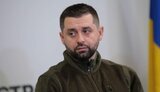
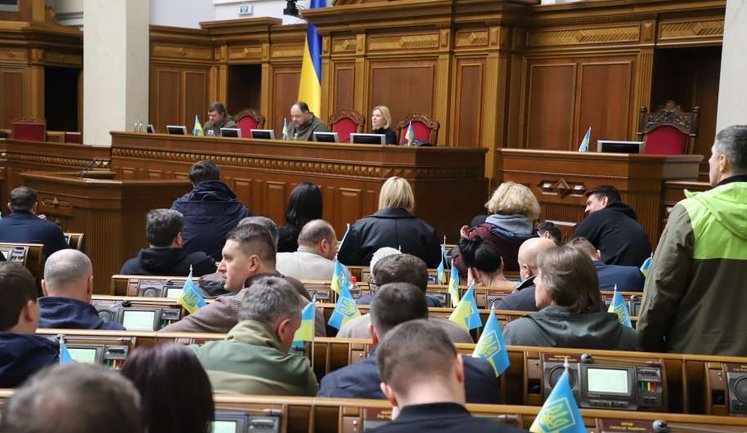
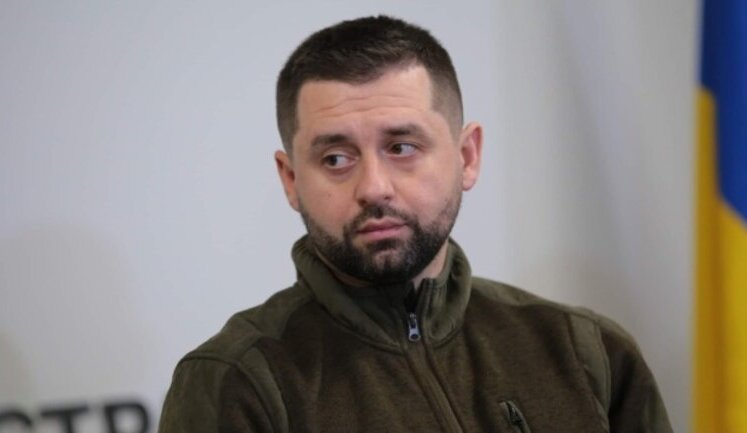
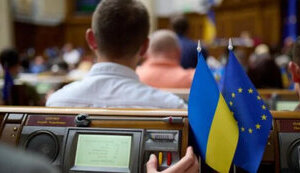
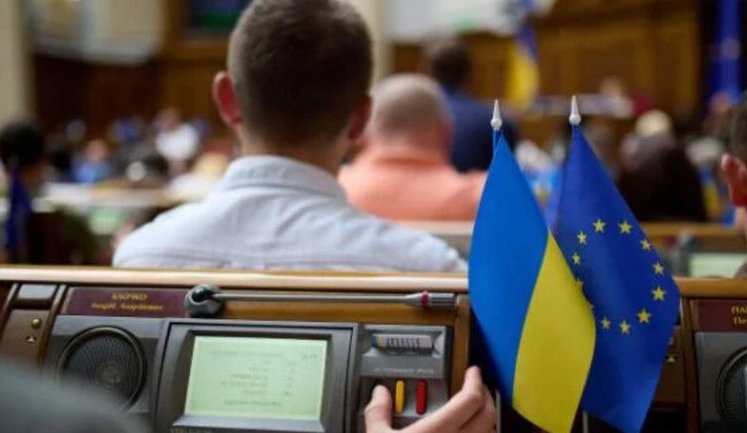
President Volodymyr Zelenskyy addressed concerns regarding the mobilization of MPs in Ukraine, stating that his words about legislative changes were misinterpreted. Davyd Arakhamiia, leader of the Servant of the People faction, emphasized this during a press briefing. Zelenskyy's comment aimed not at forced mobilization, but rather highlighting the choice MPs face during martial law—either to work in the Verkhovna Rada or to serve on the front lines. This development comes amid the Rada's mono-majority, which holds significant influence in legislative processes. Debate continues over the responsibilities of lawmakers during conflict, as national defense remains a priority.
What did Zelenskyy say about the mobilization of MPs in Ukraine?
Zelenskyy stated that MPs should either work in the Verkhovna Rada or join the defense efforts at the front. His intention was not to forcibly mobilize MPs but to underline their responsibilities during martial law.
How was Zelenskyy’s statement on MP mobilization interpreted?
According to Davyd Arakhamiia of the Servant of the People, Zelenskyy's statement was misinterpreted as a call for forced mobilization. It was meant to highlight MPs' choices amid ongoing conflict.
What options do Ukrainian MPs have during martial law according to Zelenskyy?
Zelenskyy noted that Ukrainian MPs should either continue their legislative duties in the Verkhovna Rada or actively participate in the country's defense efforts on the front lines during martial law.
Who is Davyd Arakhamiia and what is his role regarding this issue?
Davyd Arakhamiia is the leader of the Servant of the People faction. He clarified the context of Zelenskyy’s remarks on MP mobilization, emphasizing that the statements were misinterpreted by some as mandatory enlistment.
What significance does the Rada's mono-majority have in legislative changes?
The Rada's mono-majority, largely from the Servant of the People faction, plays a crucial role in shaping legislative changes. Their influence is substantial in enacting laws, especially during crises such as martial law.