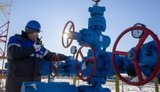
The European Union is taking definitive steps to end its reliance on Russian fuel imports. European Commission officials have made clear that the EU has no intention of resuming gas imports from Russia, according to statements and decisions made throughout 2025 and 2026. Energy Commissioner Dan Jørgensen emphasized the EU's stance against any further energy cooperation with Russia, citing the ongoing crisis in the Middle East as a factor. By 2027, the EU will completely abandon Russian fossil fuels, marking a significant shift in its energy policy. This move aligns with President Ursula von der Leyen's announced objectives to stop using Russian fossil fuels, irrespective of the war in Ukraine's results. The commitment to phase out fossil fuel imports demonstrates the EU's strong intent towards energy independence and sustainability.
What measures is the EU taking to stop imports of Russian fuel?
The European Union plans to end all Russian fossil fuel imports by 2027. Recent decisions and statements by European Commission officials underline this commitment to energy independence and indicate that the EU is focusing on alternative energy sources to fill the gap left by Russian fuel.
Why is the EU stopping energy cooperation with Russia?
The European Union cites several reasons for stopping energy cooperation with Russia, including geopolitical tensions and a desire to reduce dependency on Russian energy. Additionally, the ongoing Middle East crisis has influenced this decision. The move aligns with broader EU goals for energy independence and environmental sustainability.
When will the EU completely stop importing Russian fossil fuels?
The European Union has set a target to completely end the import of Russian fossil fuels by the year 2027. This timeline reflects their strategic energy objectives and underscores their commitment to ensuring energy security through diversification and sustainability initiatives.
How does the crisis in the Middle East affect EU-Russia energy relations?
The crisis in the Middle East has heightened the EU's resolve to eliminate its energy ties with Russia. European Commissioner Dan Jørgensen has specifically mentioned this crisis as a factor in the EU's decision not to resume energy cooperation with Russia, indicating a broader shift in strategic energy policy.
What are the implications of the EU's decision on global energy markets?
The EU's decision to end Russian fuel imports is likely to have significant implications for global energy markets. It may prompt shifts in supply chains as the EU seeks alternative energy sources. Additionally, this move could influence global fossil fuel pricing and accelerate the transition to renewable energy solutions.