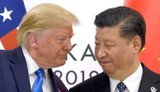
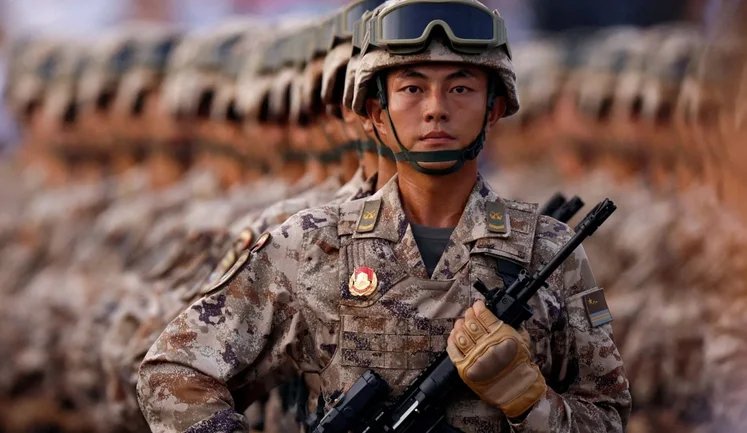
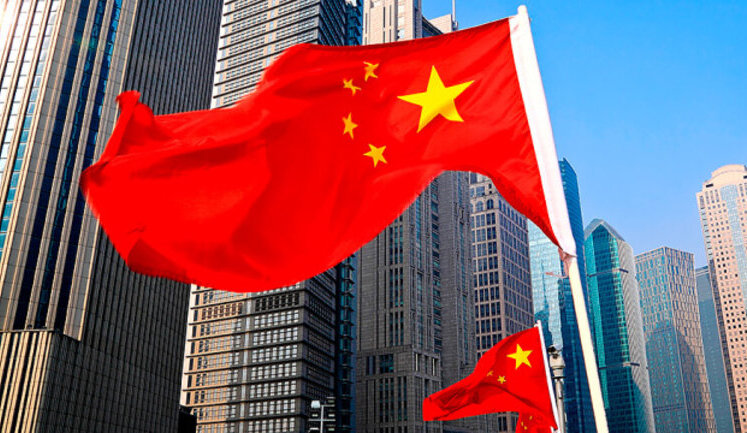
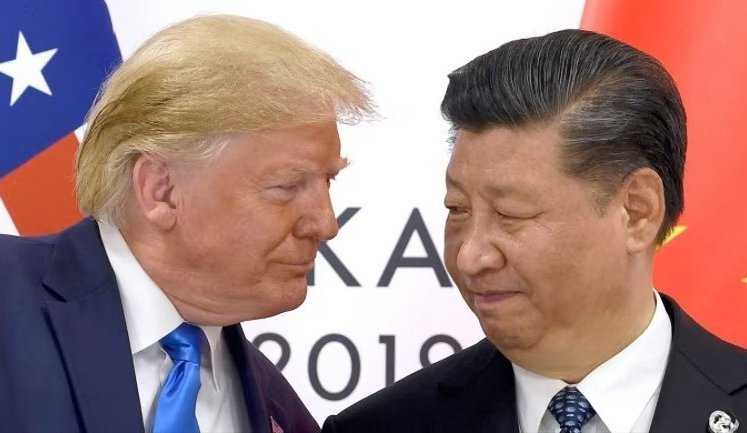
The potential threat of a Chinese attack on Taiwan is intensifying global tensions, raising questions about regional stability and international responses. Former US President Donald Trump asserts that Chinese President Xi Jinping will avoid aggressive actions while Trump is in power, highlighting awareness of possible severe repercussions. This scenario underscores the importance of diplomatic efforts and strategic alliances in addressing potential conflicts. Global observers are closely monitoring developments, considering both economic and political impacts, as governments stress maintaining peace and security in the Taiwan Strait.
What is driving the threat of a Chinese attack on Taiwan?
China's longstanding claim over Taiwan has led to military posturing and increased tensions. Taiwan's strategic importance and democratic governance are critical factors, while China's desire for reunification plays a central role.
How is the international community responding to China's actions?
International responses include expressing diplomatic concerns, affirming support for peace, and enhancing military readiness. Countries like the US emphasize the importance of Taiwan's security in regional stability.
Why did Donald Trump comment on the situation between China and Taiwan?
Donald Trump commented to assert his influence, suggesting that his presidency acts as a deterrent against potential Chinese aggression towards Taiwan due to perceived consequences.
What are the potential consequences of a Chinese attack on Taiwan?
A Chinese attack on Taiwan could lead to significant economic disruptions, affect global supply chains, and escalate into broader regional military conflicts, straining international relations.
How might a conflict over Taiwan impact global markets?
A conflict over Taiwan would likely disrupt major technological supply chains, given Taiwan's key role in semiconductor production, leading to economic instability and market volatility worldwide.