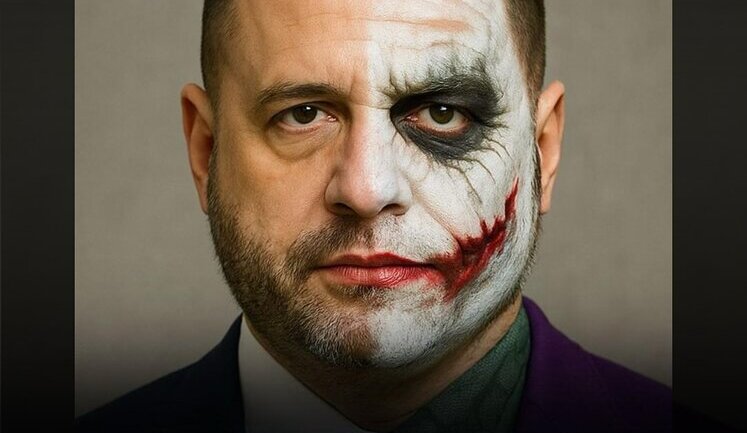
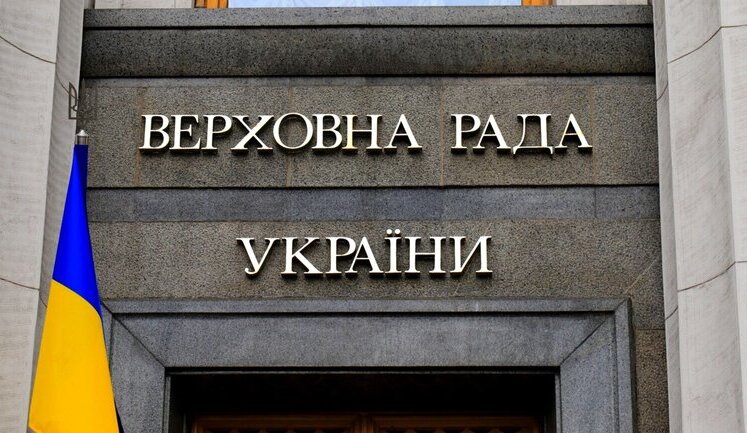
The pressure on the media in Ukraine has intensified, highlighted by the release of dossiers compiled by Tymur Mindich on prominent journalists like Butusov, Nikolov, and Kulikov. This incident, known as Mindichgate, has raised alarms about media freedom. Concurrently, the Verkhovna Rada's first reading of draft law No. 14057 threatens to impose new censorship tools that could silence independent media. The bill proposes that without a court ruling, any allegations of corruption are automatically refuted, potentially protecting corrupt officials. Additionally, journalists face personal attacks, as seen in the targeting of Kyiv Independent's Daryna Shevchenko and ZN.UA journalist Inna Vedernikova, indicating a disturbing trend towards increasing pressure on the media.
What is Mindichgate and who is involved in it?
Mindichgate refers to a scandal where Tymur Mindich, co-owner of the Kvartal-95 studio, compiled dossiers on various journalists, including Butusov, Nikolov, and Kulikov. This act has raised concerns over privacy and media freedom, highlighting issues of intimidation and surveillance of journalists in Ukraine. The matter has drawn attention from lawmakers and the media community.
What does bill No. 14057 propose regarding journalists?
Bill No. 14057, currently under consideration in the Verkhovna Rada, seeks to amend the Civil Code. It proposes that until a court ruling, any allegations of corruption against officials are considered false and require refutation, creating potential tools for censoring journalists and complicating the exposure of corruption within the government.
Why was Daryna Shevchenko of The Kyiv Independent targeted?
Daryna Shevchenko, executive director of The Kyiv Independent, was targeted by an unknown individual who gathered information about her and photographed her residence. This incident is believed to be linked to her journalistic activities, pointing to the risks faced by journalists who report on sensitive topics, and raising issues of harassment and personal safety in the media industry.
How has the media reacted to increased pressure from officials?
The media has responded to the increased pressure with calls for action and support among journalists and media organizations. Editorials and public statements like those from ZN.UA show solidarity with targeted journalists and condemn acts of censorship. This collective response aims to uphold press freedom and protect journalists from undue government influence and intimidation.
What impact could bill No. 14057 have on press freedom?
If enacted, bill No. 14057 could significantly impact press freedom by providing mechanisms for officials to silence journalists making corruption accusations. This could lead to self-censorship, limiting investigative journalism, and reducing public access to information about government misconduct. The bill represents a potential setback for transparency and accountability in Ukraine.
What measures are being taken to protect journalists in Ukraine?
Various journalistic and civil society organizations are working to safeguard journalists, advocating for reforms and international support to create a safer environment. Legal support, awareness campaigns, and collaboration with global press freedom groups are part of strategies to counteract suppression, ensuring that journalists can work without fear of retribution for their reporting.
How are anonymous Telegram channels affecting journalists?
Anonymous Telegram channels have been used to target journalists like Inna Vedernikova with coordinated attacks, often linked to political motives. These channels amplify unverified claims and exert pressure on journalists by attempting to discredit their work, contributing to a hostile environment that undermines journalistic integrity and objectivity.