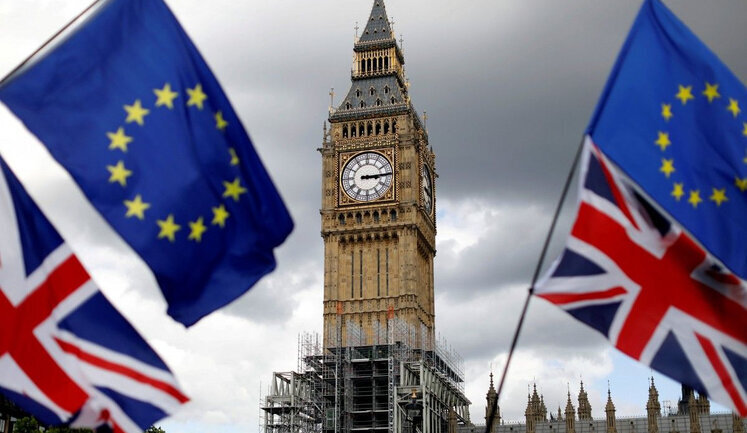
The European Union is facing significant challenges in its budget negotiations, as tensions rise over the United Kingdom's access to the single market and the European Commission's investment plans for border countries. These disputes have highlighted deep divisions within the EU, particularly concerning the future agreement with the UK. The EU member states' permanent representatives have struggled to reach a consensus on how to address these issues. Moreover, European Commission President Ursula von der Leyen recently emphasized the importance of supporting Lithuania and other countries bordering Russia and Belarus. Her visit aimed to showcase the EU's commitment to these frontline states in the context of heightened geopolitical tensions. These ongoing debates underscore the complexity of the EU's budgetary and strategic priorities.
What are the main issues in the EU budget negotiations?
The main issues in the EU budget negotiations involve the United Kingdom's access to the single market and the European Commission's plans to invest in countries that share borders with Russia and Belarus. These topics have caused division among EU member states as they seek a unified approach.
Why is the European Union concerned about border countries' investments?
The EU is concerned about border countries' investments due to the strategic importance of supporting frontline states like Lithuania, which borders Russia and Belarus. Investments in these regions are crucial for maintaining stability and security, amid increasing geopolitical tensions.
What role does the European Commission play in the budgetary process?
The European Commission plays a critical role in the EU budgetary process by proposing investment strategies and policy priorities such as allocating resources to border countries like Lithuania. The Commission works to ensure that the EU's financial policies align with broader strategic and geopolitical goals.
How do EU member states respond to budget-related disagreements?
EU member states respond to budget-related disagreements by engaging in negotiations and discussions to reach a consensus. However, these debates can be challenging, as seen with the ongoing negotiations about the UK's single market access and border country investments, which have highlighted internal divisions within the EU.
What impact does the EU budget have on member states?
The EU budget significantly impacts member states by determining funding allocations for various initiatives, such as infrastructure, security, and regional development. Budget decisions influence economic growth and stability, making the budgetary process a critical aspect of EU governance.
Why are negotiations over the future agreement with the UK difficult?
Negotiations over the future agreement with the UK are difficult due to differing perspectives among EU member states on the terms of post-Brexit relations, particularly regarding the UK's access to the single market. Balancing these views requires careful negotiation and consensus-building.