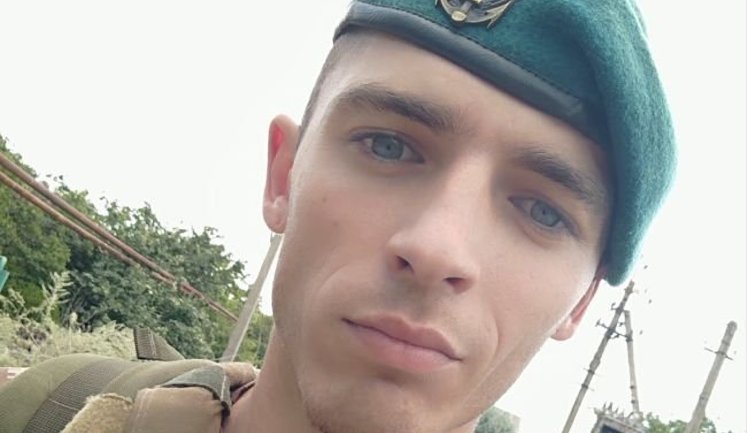
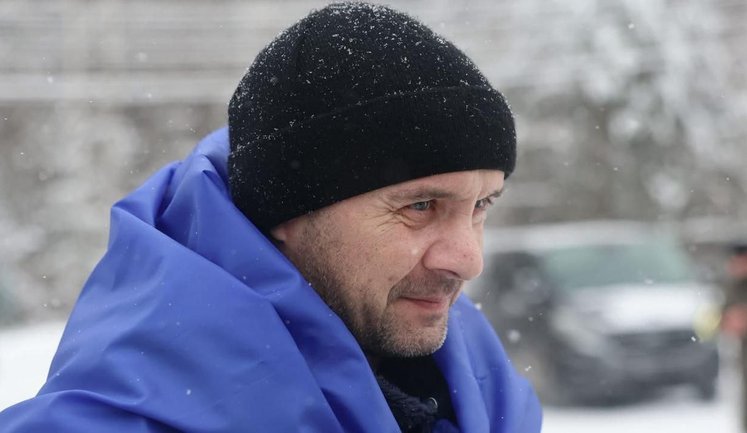
In Ukraine, the management of financial compensation to families of prisoners of war (POWs) has come under intense scrutiny. The Prosecutor General’s Office has initiated criminal proceedings following reports of veteran Vladyslav Sambur's struggle to recover UAH 4 million. This sum had been allocated to his mother, despite her losing parental rights, during his time held in Russian captivity. Simultaneously, the case of Nazar Daletskyi, wrongly declared dead and subsequently returned as a POW, resulted in the Ministry of Defence stating there are no grounds for the family to return a death compensation of 15 million hryvnias. These situations highlight the complexities and challenges the Ukrainian government faces in administering financial aid related to military service and captivity status.
What legal actions have been taken following veteran Sambur's case?
The Prosecutor General’s Office in Ukraine has launched two criminal investigations after reports surfaced regarding veteran Vladyslav Sambur’s quest to reclaim UAH 4 million. This money was allegedly taken by his mother while he was a POW, highlighting a significant legal challenge in addressing compensation mismanagement for Ukrainian POWs.
How does Ukraine handle financial aid to POW families?
Ukraine provides financial aid to families of soldiers presumed dead. However, if such individuals return from captivity, legal and ethical issues arise regarding the need to return the aid, as exemplified by the case of soldier Nazar Daletskyi, whose family faces complex legal proceedings regarding the received compensation.
What was the outcome for Daletskyi family concerning the aid received?
Detailed reports indicate that the Daletskyi family, whose son Nazar was incorrectly declared deceased during his captivity, faced conflicting announcements. Initially, the Ministry of Defence indicated no need for repayment, yet later statements suggested the necessity to return the financial aid, reflecting complex jurisdictional considerations.
Why does the Prosecutor General’s Office open cases regarding POW compensations?
The Prosecutor General’s Office opens cases when potential mismanagement or fraudulent receipt of compensation funds is alleged. Such as in Sambur’s case, discrepancies in financial aid designated for POW families could signify legal breaches, motivating investigative procedures to uphold transparency and justice.
Are families required to return compensation if a POW is found alive?
In some cases, if an individual previously labeled as deceased returns from captivity, the family may be asked to return any compensation received. However, each instance is subject to thorough legal examination to ensure fair resolution, as shown in ongoing debates over soldiers like Nazar Daletskyi.
What challenges does Ukraine face with POW compensations?
Ukraine faces several challenges including legal, ethical, and logistical issues regarding POW compensations. The cases of Sambur and Daletskyi exemplify the complex nature of reclaiming funds, dealing with erroneously declared statuses, and ensuring that state aid is managed appropriately without infringing on legal rights.