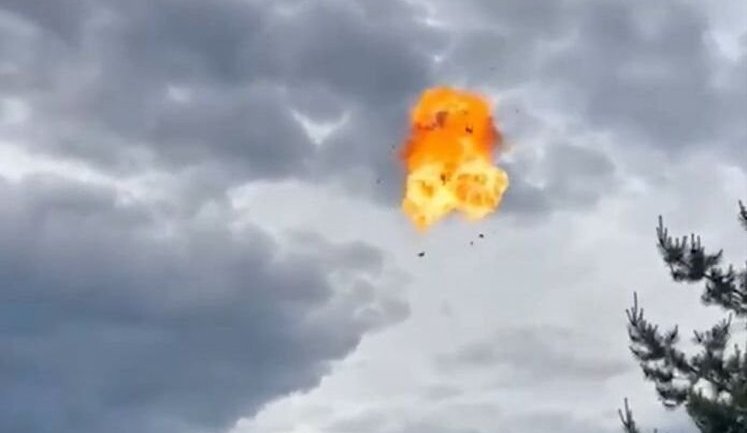
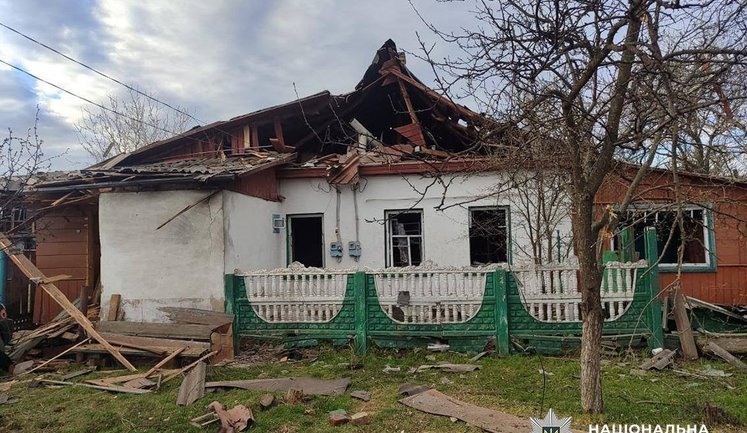
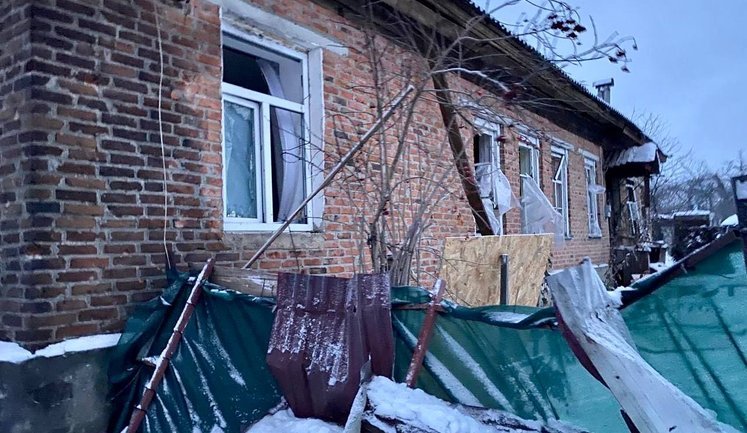
In recent months, the Chernihiv region in Ukraine has faced a significant escalation in drone attacks by Russian forces. A major development is the use of jet-powered drones, such as the Banderole, which combine features of cruise missiles and drones, reaching speeds of 650 km/h. These drones present a new challenge to Ukrainian defense efforts due to their high speed and difficulty to intercept. In addition to these, Russian forces continue to deploy Geran drones targeting various locations in Chernihiv. Notable incidents include the attack on Novhorod-Siverskyi, resulting in civilian casualties and infrastructure damage, and multiple strikes on Horodnia impacting local industries and residential areas. Interceptions, however, are still being successfully carried out by Ukrainian forces, as evidenced by a Chernihiv soldier shooting down a Shahed drone. These ongoing drone attacks severely affect life in the region, leading to power outages, injuries, and damage to essential facilities.
What type of drones is Russia using in Chernihiv region?
Russia is employing a range of drones in the Chernihiv region, including jet-powered drones like the Banderole, which are a hybrid of cruise missiles and drones. Additionally, they use Geran and Shahed models, which are known for various roles in reconnaissance and strike capabilities.
What are the capabilities of the Banderole drone?
The Banderole drone, used by Russian forces, is a jet-powered hybrid between a cruise missile and a drone. It can reach speeds of up to 650 km/h, making it difficult to intercept. This speed, combined with its destructive payload, poses a significant threat to Ukrainian defenses and civilian infrastructure in the Chernihiv region.
Have there been any successful Ukrainian defenses against Russian drones?
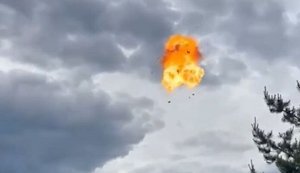
Yes, Ukrainian forces have successfully intercepted Russian drones despite the challenges. One notable example includes a Chernihiv soldier from the border detachment using small arms to shoot down a Shahed drone. Additionally, Ukraine reports regularly destroying a significant number of UAVs used in these attacks.
What impact have the Russian drone attacks had on Chernihiv's infrastructure?
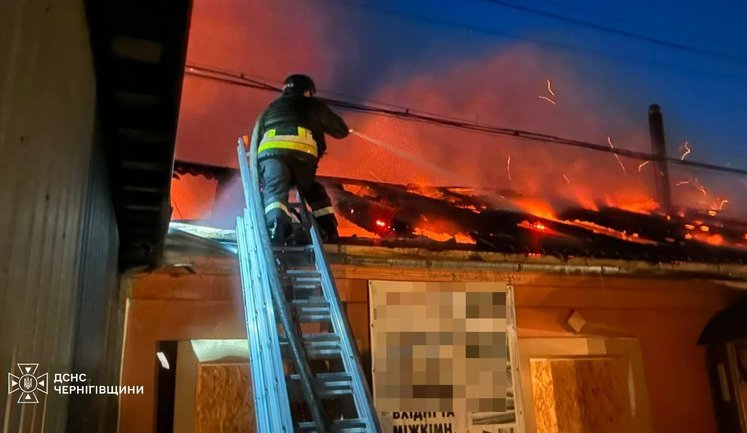
The drone attacks on Chernihiv have led to significant impacts, including the disruption of power supply to thousands of citizens, damage to residential areas, industrial sites, and energy facilities, as well as the tragic loss of civilian lives. This ongoing aggression continues to destabilize the region's infrastructure and its economy.
How has the civilian population in Chernihiv been affected by these drone attacks?
The civilian population in Chernihiv has suffered greatly due to the Russian drone attacks. There have been numerous casualties among civilians, including deaths and injuries. Residential homes, critical infrastructure, and public buildings have been damaged, leading to widespread power outages, unrest, and a significant humanitarian impact on daily life.
Why are Russian drones difficult to intercept?
Russian drones, particularly the new jet-powered models like the Banderole, are difficult to intercept due to their high speed, which reaches up to 650 km/h. These characteristics require advanced detection and interception technologies, which are challenging to maintain under continuous assault, thus complicating defense efforts in regions like Chernihiv.
What areas of Chernihiv were most affected by recent drone strikes?
Recent drone strikes have significantly affected areas in Chernihiv including Novhorod-Siverskyi, where civilian homes and essential infrastructure were targeted. Attacks on Horodnia have severely impacted local industries and caused multiple civilian injuries. These regions continue to experience the brunt of the Russian drone assaults.