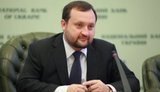
Russian elections held in the temporarily occupied territories of Ukraine have become a significant point of contention on the international stage. Notably, Lithuania's Foreign Minister Budrys emphasized that such elections are a blatant breach of international law. As part of these elections, Arbuzov, a former Ukrainian official, has been elected to the Russian State Duma, aligning with the "Fair Russia" party. Meanwhile, in regions like Henichesk, Russian occupiers tried to entice voters with free lemonade and nostalgic Soviet songs. However, reports suggest the Kremlin manipulated candidate lists, focusing on promoting favored collaborators. Statements from Ukraine's Ministry of Foreign Affairs have declared these elections null and void, asserting their illegality.
What is the international reaction to Russian elections in occupied Ukraine?
The international community, including Lithuania, has rejected the elections as illegal and a violation of international law. Countries like Lithuania are vocal against Russia's actions, refusing to recognize the results as valid.
Who is Serhii Arbuzov and what is his role in the Russian State Duma?
Serhii Arbuzov, the former head of the National Bank of Ukraine, and ex-Deputy Prime Minister under Yanukovych, has been elected to the Russian State Duma. He joined the "Fair Russia" party’s parliamentary group, marking a controversial political shift.
How did Russian authorities attempt to encourage voter turnout in occupied areas?
In occupied regions like Henichesk, Russian authorities lured voters with free lemonade and themed entertainment reminiscent of the Soviet era. These efforts aimed to increase participation in the disputed elections despite their controversial nature.
Are the Russian elections in Crimea and Sevastopol recognized by Ukraine?
Ukraine's Ministry of Foreign Affairs has declared the elections held in Crimea and Sevastopol as illegal. They asserted that these elections are null and void and do not represent the will of the people, emphasizing their illegitimacy under international law.
What strategy did the Kremlin use to manage candidate lists in the elections?
The Kremlin reportedly compiled the candidate lists for the "United Russia" party, prioritizing officials sent from Moscow and marginalizing local collaborators. This approach effectively limits local representation and consolidates control over the election process.