The unsettling trend of Russians turning against their own has been highlighted through a series of shocking incidents. High-profile cases such as that of Artem Buchin, a soldier sentenced to life for murder after being pardoned by President Putin, illustrate the grim reality. The soldier's crime was linked to his role in Russia's so-called "special military operation." Audio recordings released by the Ukrainian military further reveal Russian commanders ordering the execution of their own troops, a chilling directive evidencing internal discord. Additionally, incidents in regions like Kursk, where Russian soldiers were killed while trying to surrender, emphasize the fear and betrayal pervasive among forces. This climate of mistrust and violence starkly depicts the turmoil within Russian ranks and the lengths to which commanders will go to instill control. As these events unravel, they paint a bleak picture of a divided military strategy, prioritizing fear and intimidation over solidarity and loyalty.
Why are Russian soldiers being killed by their own commanders?
Reports indicate that internal discord and attempts to surrender have led Russian commanders to order the execution of their own soldiers. This drastic measure aims to maintain control and discipline, though it reveals deep-seated issues within the military.
What happened to Artem Buchin after being pardoned by Putin?
After being pardoned by President Putin for previous crimes, Artem Buchin committed another grave offense, resulting in the murder of a woman and a child. Subsequently, he was convicted again and sentenced to life imprisonment, highlighting the failures in the pardon system.
How do Ukrainian military recordings impact the perception of Russian military conduct?
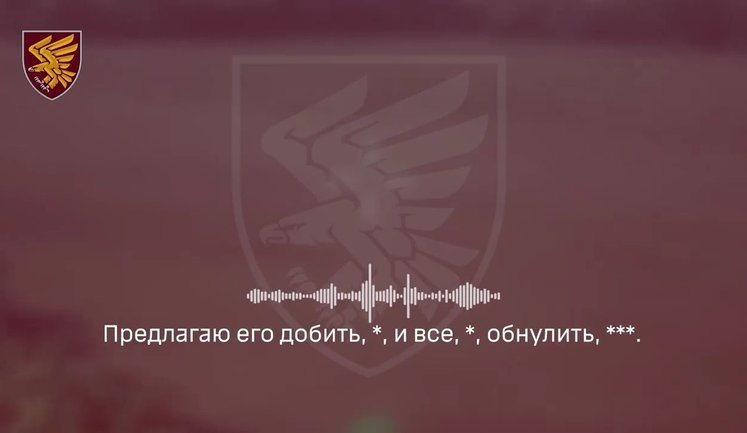
The audio recordings released by the Ukrainian military shed light on the extreme measures Russian commanders are taking, such as ordering the execution of their own troops. These revelations challenge the integrity and morale within Russian ranks, contributing to the narrative of an uncoordinated and ruthless military approach.
What evidence is there of Russian soldiers being targeted by their own in the Kursk region?
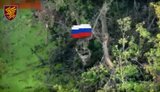
Reports and video evidence from the Kursk region confirm that Russian soldiers were killed by their own forces while attempting to surrender to Ukrainian paratroopers. This incident reflects the dangerous dynamics and mistrust permeating parts of the Russian military.
What does the trend of Russians killing their own indicate about military morale?
The trend suggests a severe breakdown in morale and trust within Russian military forces. As soldiers face threats not just from the enemy but from their own commanders, it underpins a fractured hierarchy and controversial command tactics aiming to instill fear rather than unity.
Are there broader implications of these internal killings within the Russian military?
The internal killings within the Russian military could have broader implications on operational effectiveness, troop morale, and international perception. Such actions raise questions about the overall strategy and governance, signaling potential vulnerabilities in military operations and command reliability.