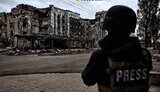
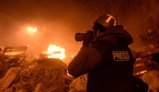
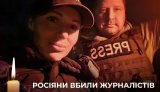
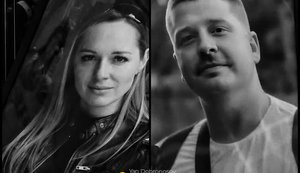
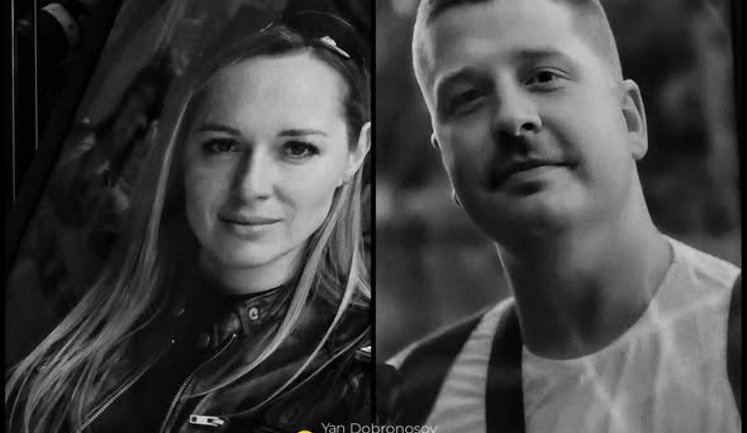
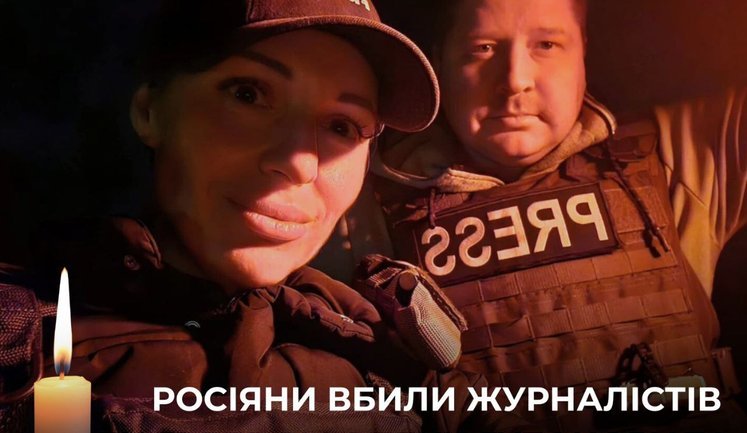
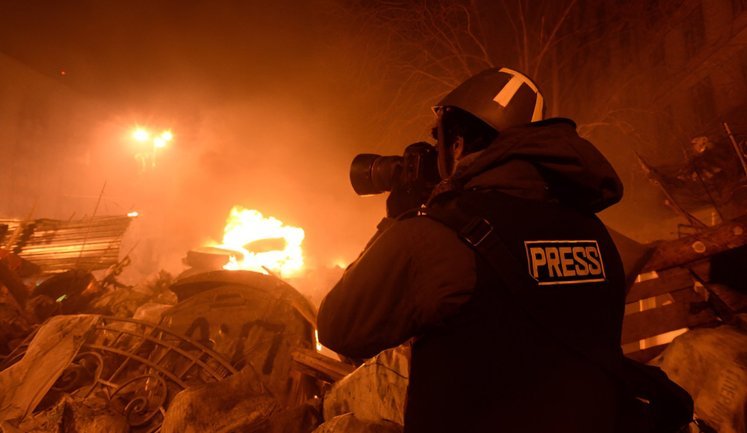
The recent tragic death of journalists Olena Hubanova and Yevhen Karmazin underscores the ongoing dangers facing reporters in conflict zones. Slain by a Russian drone in Kramatorsk, they were remembered in a farewell ceremony at St. Michael's Golden-Domed Cathedral in Kyiv. The incident has intensified discourse around the safety of journalists covering the war in Ukraine. The use of "Lancet" UAVs, a significant threat from enemy forces, raises urgent concerns for press freedom and journalist protection in volatile regions.
Why are journalists like Olena Hubanova at risk in Ukraine?
Journalists in Ukraine, such as Olena Hubanova, face significant risks due to the ongoing conflict, which often places them in dangerous regions. The use of weapons like drones by Russian forces further escalates these dangers, making the work of documenting and reporting the conflict perilous.
How were Olena Hubanova and Yevhen Karmazin killed?
Olena Hubanova and Yevhen Karmazin were killed in Kramatorsk by a strike from a Russian enemy "Lancet" drone. Such incidents highlight the increasing threat unmanned aerial vehicles pose to journalists and civilians in conflict zones.
What is the significance of St. Michael's Cathedral in Kyiv?
St. Michael's Golden-Domed Cathedral in Kyiv is a significant religious and national site, often used for important ceremonies. Its use for the farewell of journalists Olena Hubanova and Yevhen Karmazin signified the national grief and honor for their sacrifice in reporting the truth.
What impact does the death of journalists have on press freedom?
The death of journalists like Olena Hubanova and Yevhen Karmazin has a profound impact on press freedom, highlighting the risks that media personnel face in war zones. It can lead to self-censorship and reduce on-ground reporting, affecting the flow of information about conflicts.
How does the war in Ukraine affect international journalism?
The war in Ukraine poses severe risks and challenges to international journalism. It places journalists in direct danger, complicates news gathering, and requires media organizations to reassess safety protocols to protect reporters covering the conflict's front lines.