Belarus is actively aiding Russia's military efforts against Ukraine, notably by deploying signal repeaters that facilitate Russian drone attacks on regions like Volyn. This escalatory cooperation sees Belarus and Russia strengthening their military alliance through technological support, affecting border security up to Poland. Despite these maneuvers, the Defense Intelligence of Ukraine currently assesses the risk of Belarus actively entering the conflict as low. However, the strategic implications of the ongoing collaboration raise concerns about regional stability. President Zelenskyy's call for dismantling Belarusian equipment highlights Kyiv's pushback against these actions, emphasizing Ukraine's stance on maintaining sovereignty and security.
What role does Belarus play in Russia's military operations?
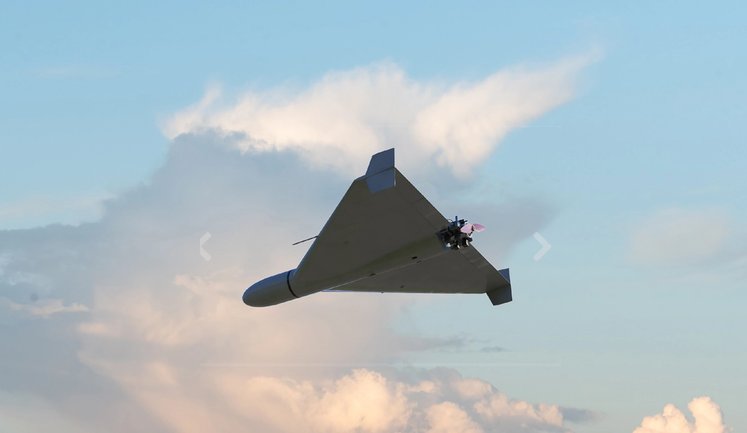
Belarus supports Russia's military operations against Ukraine by facilitating drone attacks. It reportedly uses signal repeaters and other technical tools to enhance the reach and effectiveness of Russian drones. This technical assistance underscores Belarus's alignment with Russia, amplifying military tensions in the region.
How has Ukraine responded to Belarus aiding Russian drone strikes?
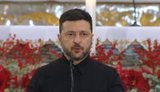
Ukraine, through officials like President Zelenskyy, has demanded that Belarus dismantle the equipment aiding Russian drone strikes. Zelenskyy's administration has explicitly signaled that if Belarus does not take concrete steps to halt support for Russia's military actions within a given timeframe, Ukraine may take necessary action to protect its sovereignty.
Does Belarus's involvement indicate it may enter the war against Ukraine?
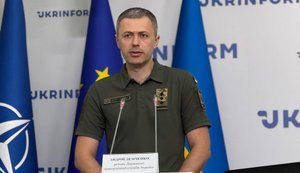
Currently, Ukrainian Defense Intelligence assesses that there are no signs of Belarus preparing to enter the war against Ukraine directly. While the military cooperation with Russia is evident, the immediate threat level from Belarus entering the fight remains low according to Ukrainian intelligence, yet the situation is under continuous surveillance.
What implications does Belarus's technical support to Russia have for the region?
The technical support provided by Belarus to Russia entails larger implications for regional stability, particularly affecting security dynamics near the Polish border and in western Ukraine. These actions potentially increase military tensions and necessitate reinforced security measures from Ukraine and its allies, heightening the geopolitical strain in Eastern Europe.
Are there any other collaborative military developments between Russia and Belarus?
Yes, in addition to drone assistance, Russia and Belarus have been engaging in other military collaborations. For instance, there's ongoing joint development to enhance Belarus's military capabilities with plans such as equipping the "Polonez" missile system with nuclear capability, further exhibiting the depth of their defense partnership.
What are the global implications of the Russia-Belarus military cooperation?
The cooperation raises significant global concerns, particularly for European security and international diplomatic relations. Such alliances stress the potential for regional conflicts spilling over or escalating, while also testing the response strategies of NATO and Western countries in mitigating threats posed by this military alignment.
How has international community responded to Belarus's involvement with Russia?
The international community, including entities like the UN, has expressed concern over Belarus's role in aiding Russia during the conflict. Calls for sanctions against both Russia and Belarus have been made, illustrating a demand for accountability and a deterrent against further military escalation.
What measures is Ukraine taking to counter the threat from Belarus's support of Russia?
Ukraine has strengthened security in key regions, notably the Chernihiv-Kyiv direction, to counter the potential threat from Belarus. Furthermore, President Zelenskyy has been advocating for diplomatic and strategic measures to ensure regional security, while also engaging with international partners to counteract Russian and Belarusian strategies.