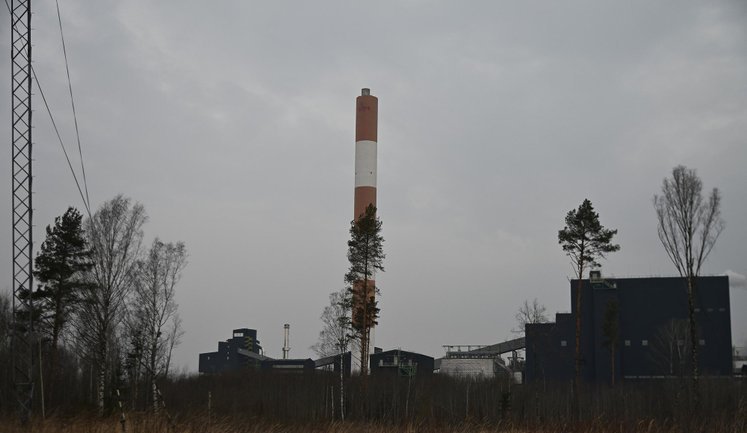
A significant incident occurred in Estonia as a drone originating from Russia crashed into a power station pylon in the village of Auvere. The drone struck the chimney, posing critical concerns regarding cross-border security violations. The event has escalated tensions in the region, underscoring the importance of airspace monitoring and international cooperation to prevent such incidents. This latest development also raises questions about drone regulation and the need for improved surveillance infrastructure to safeguard critical energy facilities in Estonia from potential threats.
What exactly happened during the drone crash in Estonia?
A drone, reportedly from Russia, crashed into the chimney of a power station in Auvere, Estonia. This incident has raised significant concerns regarding security and airspace violations in the region.
Why did the drone crash in a power station in Estonia?
The specifics of why the drone crashed into the power station remain unclear. However, it highlights serious security issues and potential lapses in airspace monitoring between countries.
What are the implications of the drone crash in Estonia?
The drone crash raises several implications, including potential regional security threats, necessitating enhanced international cooperation and airspace surveillance measures to prevent future incidents.
How does the drone crash affect Estonia's energy infrastructure?
The crash impacted a significant part of the power station infrastructure in Auvere, highlighting the vulnerability of critical energy facilities to unmanned aerial threats and the need for better protective measures.
What measures are being taken to secure Estonia's airspace from drones?
In response to such incidents, Estonia is likely to bolster airspace security measures, which may include enhanced monitoring, stricter regulations, and international collaboration to prevent further cross-border drone activities.