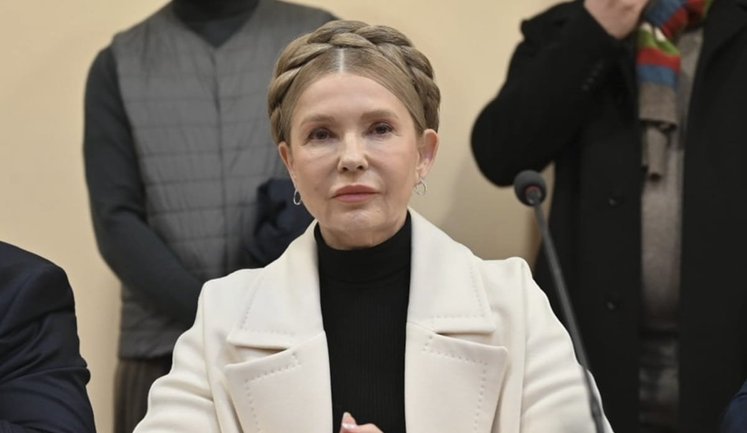
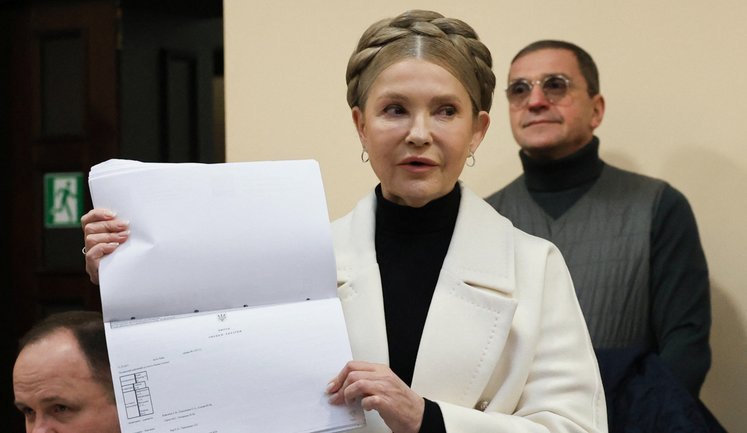
The High Anti-Corruption Court (HACC) recently lifted procedural obligations on Yulia Tymoshenko, leader of the Batkivshchyna faction. This significant development is part of her ongoing legal battles, where she faces accusations of providing unlawful benefits to MPs. Despite attempts to transfer her case to another court, the HACC’s Appeals Chamber rejected such requests, maintaining jurisdiction. The investigation concluded earlier this year, confirming suspicions of bribery. Tymoshenko, standing firm, intends to counter-claim against NABU and SAPO for perceived procedural wrongdoings. The legal saga continues to capture public and judicial attention.
What procedural obligations were lifted from Tymoshenko?
The High Anti-Corruption Court lifted all procedural obligations previously imposed on Yulia Tymoshenko, which initially restricted her interactions and movements as part of the legal proceedings against her involving allegations of corruption.
Why did Tymoshenko attempt to transfer her case to another court?
Yulia Tymoshenko sought to transfer her case, arguing for a change of venue likely due to concerns about impartiality or perceived biases within the High Anti-Corruption Court. However, her request was denied, maintaining the current prosecutorial venue.
What are the charges against Yulia Tymoshenko in this case?
Yulia Tymoshenko faces charges of offering unlawful benefits to members of Ukraine’s parliament, a serious allegation that includes accusations of corruption intended to influence legislative processes through financial incentives or other improper means.
What is the significance of the recent decision by the HACC regarding Tymoshenko's case?
The recent HACC decision to uphold the jurisdiction and reject case transfer ensures that the trial proceeds within its current legal framework. This continuation underlines the judiciary's stance on handling high-profile corruption cases within established anti-corruption courts.
How has Tymoshenko responded to the legal proceedings against her?
Yulia Tymoshenko has actively engaged in her defense, disputing charges and planning to file counterclaims against entities like NABU and SAPO, which she accuses of procedural and investigative misconduct in her ongoing corruption case.
What role does NABU play in Tymoshenko’s case?
The National Anti-Corruption Bureau of Ukraine (NABU) was instrumental in investigating the allegations against Tymoshenko, contributing to the collection of evidence and forming the basis for the charges related to offering undue benefits to parliamentary members.
What was the outcome of Tymoshenko's bail appeal?
Tymoshenko’s appeal against the imposed bail was rejected by the HACC, although she was granted some leniencies such as freedom of movement within Ukraine and communication with MPs, despite maintaining the substantial bail amount due to ongoing legal scrutiny.
What are Tymoshenko’s intentions regarding NABU and SAPO?
Tymoshenko plans to address what she perceives as unlawful actions by NABU and SAPO throughout her investigation. She intends to submit a statement to law enforcement highlighting these issues, challenging the integrity of the investigative process against her.