Negotiations between the USA and Russia are poised to take place in Miami, as the Trump administration seeks to resolve the ongoing Russia-Ukraine conflict. Despite ongoing talks, many concerns remain about Russia's current stance, which has been described as unacceptable by Lithuania, posing further risks to regional security. The talks come amid tensions and hopes for a ceasefire, as pressure mounts on Vladimir Putin to end hostilities. The agenda includes recognizing disputed territories like Crimea, a sticking point for many international actors. As these critical discussions unfold, the global community remains watchful, anticipating their potential outcomes for peace in Ukraine.
What are the key topics of the USA-Russia negotiations?
The primary focus is on establishing a ceasefire in Ukraine and addressing contentious issues like territorial recognition, specifically around Crimea and Donbas. Both nations are expected to engage in trying to reach a consensus on these high-stakes topics that heavily impact regional stability and diplomatic relations.
Why is the USA holding talks with Russia regarding Ukraine?
These negotiations aim to bring an end to the war in Ukraine by facilitating a dialogue between the involved parties. The United States sees diplomacy as essential in stopping violence and addressing geopolitical concerns that have broader implications for international security and bilateral relations.
Who is involved in the USA-Russia negotiations?
The talks include representatives from the U.S., led by figures such as US Secretary of State Marco Rubio, and Russian officials, potentially including President Putin's aides or Foreign Minister Lavrov. Their discussions are anticipated to be complex, given their divergent interests in Ukraine.
What are the challenges facing USA-Russia peace negotiations?
Significant challenges include Russia's demands regarding the recognition of certain Ukrainian territories and the withdrawal of NATO peacekeepers. The differing geopolitical interests of the United States and Russia, alongside regional security implications, complicate these already delicate negotiations.
How has Russia's position in negotiations been perceived by other nations?
Lithuania, among others, has criticized Russia's current negotiation stance as unacceptable, which tends to escalate regional security risks. This position signals to many that genuine peace efforts might be hindered unless more substantial compromises are made by Moscow during the discussions.
What are the potential outcomes of the USA-Russia talks?
While the desired outcome would be a firm commitment to a ceasefire, leading to the end of the war in Ukraine, other possibilities include prolonged negotiations without major breakthroughs due to entrenched positions on both sides. The diplomatic engagement will likely continue until a feasible pathway to peace is established.
How has President Putin reacted to the USA's negotiation efforts?
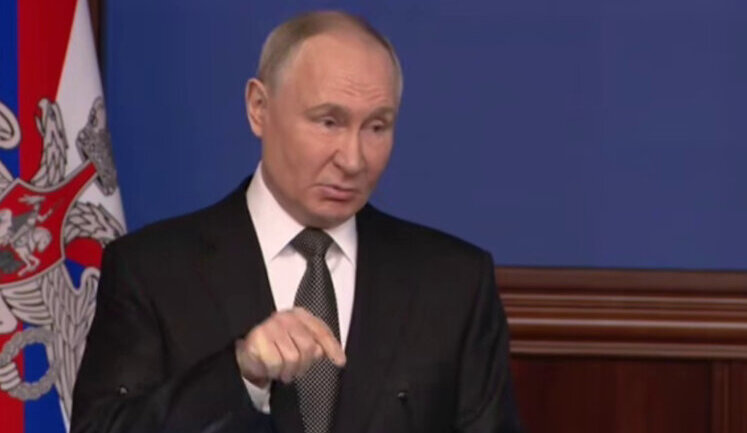
President Putin's public statements suggest a reluctance to fully engage or meet halfway with U.S. demands, implying resistance to immediate compromises. This attitude remains a significant hurdle in achieving a swift and amicable resolution in the ongoing conflict.
What role does the international community play in these talks?
The international community, particularly European allies and organizations like NATO, plays a critical supporting role in the diplomatic process, providing backing, exerting pressure for peaceful resolutions, and monitoring contentious issues like territorial rights and security assurances.