5456 visitors online
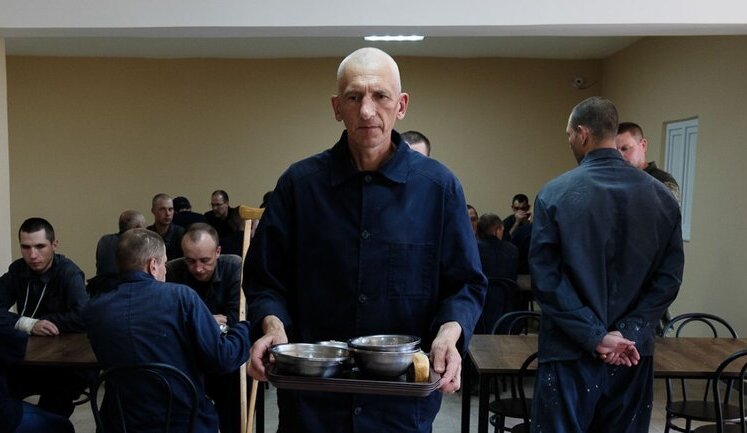
The detention conditions of prisoners of war (POWs) have become a significant international concern, with reports emphasizing the appalling treatment of Ukrainian POWs by Russian authorities. Intelligence reveals that Russian special services target the relatives of captured and missing Ukrainian soldiers for gathering intelligence and executing special missions. The OSCE Parliamentary Assembly strongly condemned Russia for systematic breaches of international law regarding the treatment of Ukrainian POWs, with 95% of released prisoners reporting torture. The Coordination Headquarters in Ukraine has identified 186 locations in Russia where Ukrainian prisoners are held, yet international humanitarian organizations, such as the Red Cross, are denied access. Reports from the Associated Press indicate that 245 Ukrainian soldiers were executed after surrendering, and another 206 perished in captivity, with some fatalities linked to the Olenivka explosion. Meanwhile, international attention also focuses on the treatment of Russian POWs in Ukraine, including peculiar complaints about camp conditions. This troubling situation calls for urgent international intervention and heightened scrutiny from global human rights entities.

What are the reported conditions for Ukrainian POWs in Russia?

Ukrainian POWs in Russia reportedly face harsh and inhumane conditions. Intelligence indicates widespread torture, and international bodies like the OSCE have condemned Russia for violating international laws regarding the treatment of POWs. Accurate information is hard to obtain due to restricted access for monitoring organizations.

How are intelligence activities involving POWs conducted by Russia?

Russia conducts intelligence activities by targeting families of captured and missing Ukrainian soldiers. These tactics involve gathering intelligence and enlisting family members for special missions, exacerbating the plight of those linked to POWs.

What actions are international organizations taking regarding POW conditions?

International organizations such as the OSCE Parliamentary Assembly have condemned Russia's violations of POW treatment standards. Despite condemnation, physical access to detention sites by groups like the Red Cross is heavily restricted, hindering direct intervention.

How many locations in Russia are identified where Ukrainian POWs are held?

There are 186 identified locations in Russia where Ukrainian POWs are held. These sites are operated with little transparency, as access for international monitoring missions is typically denied, violating international norms and standards for POW treatment.

What are the consequences faced by Ukrainian soldiers who have surrendered?

Ukrainian soldiers who have surrendered face dire consequences; reports confirm that 245 were executed on the battlefield and 206 died in captivity. These deaths highlight the severe and life-threatening conditions of Ukrainian POWs within Russian camps.

How do POW conditions in Ukraine differ for Russian soldiers?

Russian POWs in Ukraine experience different conditions, including receiving assistance like condoms from the Red Cross. Despite these provisions, Russian POWs have voiced unique complaints about their camp conditions, which appear more focused on comforts than those faced by Ukrainian POWs in Russia.

show details

w117_header_alt Detention conditions of POWs

Status of prisoners of war: Lubinets shared what they are saying in Russia In Russia, they say that participants in "special military operation" cannot be prisoners of war because there is no war, - Lubinets Representatives of the Russian Federation say that anyone fighting against Ukraine on the side of the Russian Federation cannot be considered a prisoner of war because, allegedly, no war has been declared. 6 252 43 Previously in trend: Detention conditions of POWs

The FSB actively uses the families of prisoners for PSYOPs Russians use relatives of captured and missing soldiers to gather intelligence and carry out special tasks Russian special services are actively hunting down the families of captured and missing Ukrainian military personnel. 797 2 Previously in trend: Detention conditions of POWs Ukrainians in Russian captivity

The OSCE condemned Russia for the treatment of Ukrainian prisoners of war OSCE PA leaders condemn Russia for treating Ukrainian prisoners of war: 95% of released persons point to torture The leaders of the OSCE Parliamentary Assembly, including President Pia Kauma, "strongly condemned" the systematic violations of international law, laws, and customs of war by the Russian Federation. 426 2 Previously in trend: Detention conditions of POWs

Locations in Russia where Ukrainian prisoners are being held have been identified 186 locations where Ukrainian prisoners are being held in Russia have been identified, where representatives of Red Cross and other monitoring missions are not allowed, according to Coordination Headquarters Russian special services have created fake organisations that imitate humanitarian missions in places where Ukrainian prisoners are held. As a result, international human rights organisations are not allowed to visit Ukrainian prisoners. 704 1 Previously in trend: Detention conditions of POWs

How Ukrainian prisoners of war are treated in Russia Russians shot dead 245 Ukrainian soldiers who had surrendered. Another 206 soldiers died in Russian captivity, - AP Of the more than five thousand Ukrainian prisoners of war repatriated by Russia to Ukraine, at least 206 died in captivity (including more than fifty as a result of the explosion in Olenivka). Another 245 prisoners were killed by Russian soldiers on the battlefield. 2 721 14 Previously in trend: Detention conditions of POWs

red cross provides condoms to russian prisoners of war Red Cross provides condoms to Russian POWs, while they complain about absence of Olivier salad on camp menu and lack of vitamins in medical unit. VIDEO Representatives of the international humanitarian movement Red Cross provide condoms to Russian POWs held in Ukrainian camps. 58 125 57 Previously in trend: Detention conditions of POWs