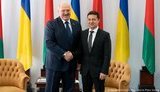
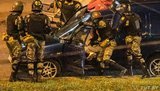
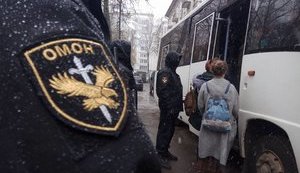
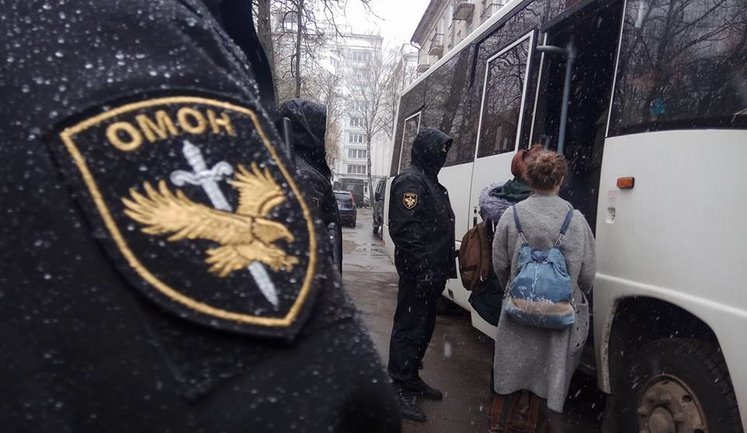
Amid the ongoing repressions in Belarus, Ukraine's Foreign Ministry has raised concerns over the "Belarusian Hajun case," suggesting Lukashenko is creating an "exchange pool." The Belarusian regime continues to face international backlash as the Estonian government has made its sanctions indefinite, banning entry for key regime figures. This move is echoed by EU's non-recognition of Lukashenko's secret inauguration. Meanwhile, the Belarusian opposition continues its fight with leaders like Maria Kolesnikova, who was recently threatened with death during an expulsion attempt. The situation remains tense, leading Ukrainian authorities and EU officials to scrutinize the developments closely and call for democratic processes.
What is the Belarusian Hajun case and why is it significant?
The Belarusian Hajun case refers to a series of repressions by the Belarusian government against citizens allegedly involved in a covert operation. This has drawn significant international attention, with Ukrainian authorities suggesting it's part of Lukashenko's strategy to create an "exchange pool" for political leverage, highlighting the serious human rights abuses occurring under his regime.
Why did Estonia make its sanctions against Belarus indefinite?
Estonia decided to make sanctions against Belarus indefinite as a response to continued human rights violations and political repression under President Alexander Lukashenko's regime. This includes an extended entry ban on key regime figures, which underscores Estonia's commitment to opposing undemocratic measures and aligning with wider EU policies aimed at holding the Belarusian government accountable.
How did the EU respond to Lukashenko's secret inauguration?
The European Union, represented by High Representative Josep Borrell, condemned the secret inauguration of President Alexander Lukashenko as devoid of democratic legitimacy. The EU's stance reflects its commitment to democratic principles and its refusal to recognize elections and inaugurations lacking transparency and public participation.
What actions has Ukraine taken in response to the situation in Belarus?
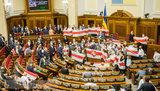
The Verkhovna Rada of Ukraine has adopted a formal statement condemning the ongoing political repression in Belarus, aligning with international calls for human rights and democratic processes. Additionally, Ukraine has facilitated safe passage for Belarusian opposition members fleeing persecution, demonstrating its support for democratic resistance in Belarus.
Who is Maria Kolesnikova and what happened to her?
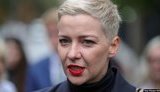
Maria Kolesnikova is a prominent Belarusian opposition leader who faced a brutal expulsion attempt by security forces. She was threatened with death and subjected to intimidation but courageously resisted by tearing up her passport, preventing her forced deportation to Ukraine. Her actions symbolize the resilience and bravery of the Belarusian protest movement.
How has Belarus responded to protests and opposition leaders?
The Belarusian government under President Alexander Lukashenko has responded to protests with severe repression, detaining activists and opposition leaders. High-profile figures like Maria Kolesnikova have been targeted, alongside ordinary citizens and journalists, reinforcing the regime's commitment to stifling dissent through intimidation and human rights abuses.
What measures is Ukraine taking to protect its citizens amidst the Belarus crisis?
In response to the unstable situation in Belarus, Ukrainian President Volodymyr Zelenskyi has advised citizens to refrain from traveling to Belarus. This precaution aims to ensure their safety as political turmoil and human rights abuses escalate. Ukraine is also actively monitoring the situation to offer assistance to Ukrainians affected by or involved in the protests.
Have any journalists been affected during the Belarus protests?
Yes, journalists have been significantly affected during the Belarus protests. Notably, a Ukrainian journalist from the Associated Press was beaten, a stark indication of the dangerous environment for media professionals in Belarus. This suppression of the press underscores the regime's efforts to control the narrative and deter international scrutiny of its actions.