



Due to conflict with State Audit Service, Ukrainian army may run out of gasoline and aviation fuel, - Yarova
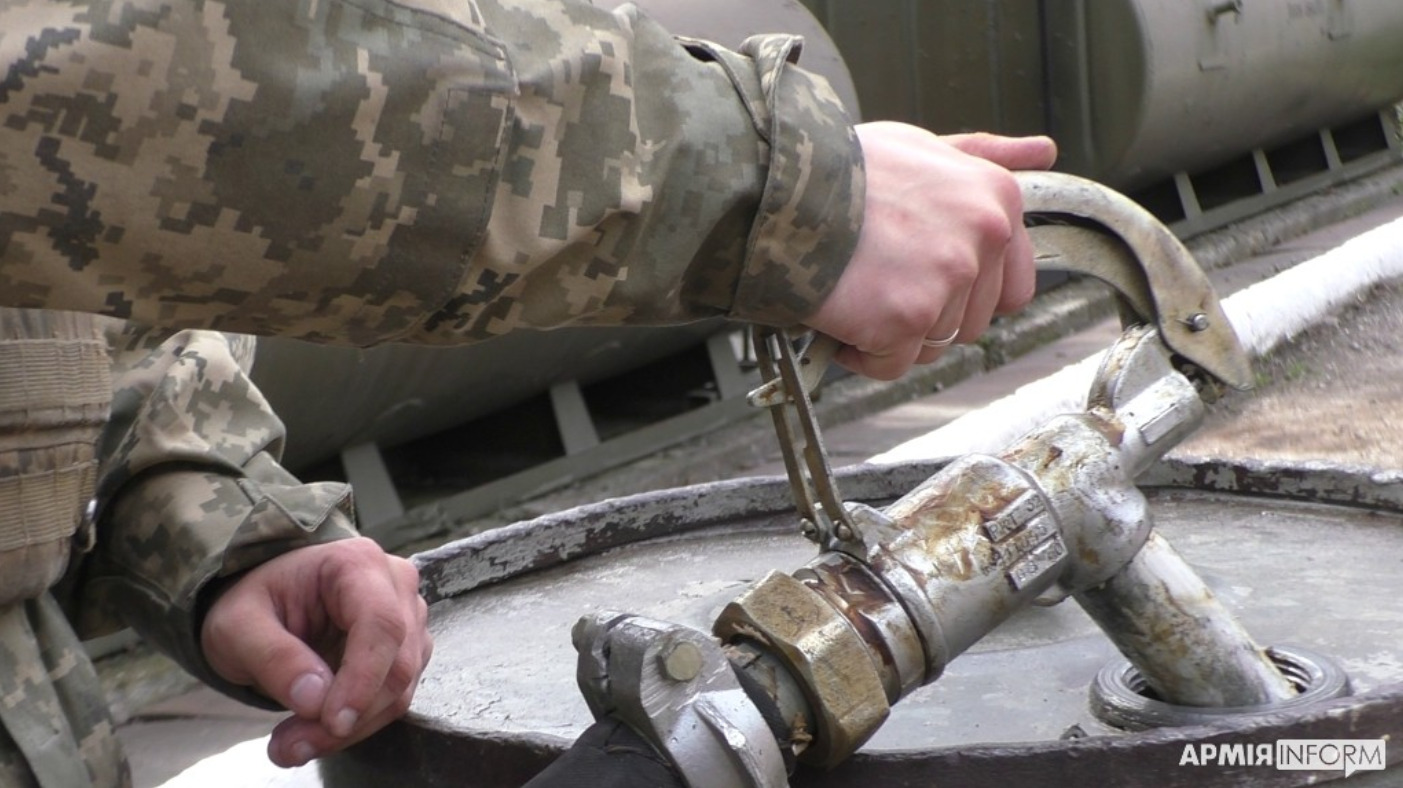
Government Resolution No. 178 stipulates that fuel and lubricants for the needs of the Armed Forces, the National Guard, the National Guard, border guards, etc. are subject to VAT at a zero rate, however, the Ministry of Defense decided to purchase fuel and lubricants without VAT "only within the limits of mobilization plans", as specified in the resolution, and in all other cases - with VAT.
As reported by Censor.NET, volunteer Dana Yarova, a member of the Public Anti-Corruption Council under the Ministry of Defense, noted on Facebook that instead the State Audit Service of Ukraine (SASU) considered the purchase of fuel by the Ministry of Defense with VAT as "losses of the state". At the same time, during the audit of the Defence Intelligence, SSU, which bought fuel without VAT, SASU also considered the purchases as "losses of the state".
"In the department of public procurement, investigative actions are starting. In some military units, which also purchased some with VAT, some without VAT, criminal cases are starting to be opened," Yarova notes.
According to her, the centralized purchase of a large amount of fuel for the Armed Forces should now take place. However, due to the contradiction between the government resolution and the conclusions of the State Audit Service, it is not clear how this process should take place.
"At the moment, we have chaos because of this resolution. The Ministry of Defense continues to stand by its positions on centralized purchases of fuel and lubricating materials and is going to buy new batches of fuel and lubricating materials with VAT. The military units on decentralized purchases in the vast majority follow the decisions of the State Security Service and buy without VAT. The National Guard, border guards - too," Yarova wrote.
She also publicly appealed to the Cabinet of Ministers and the relevant parliamentary committee for clarification.
"Maybe you will start working and put the order in the regulatory framework?" concluded the member of the Anticorruption Council.


