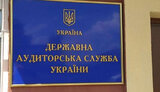
The State Audit Service (SAS) of Ukraine has been at the center of several controversies recently. The transfer of land from Kyiv's Hryshko Botanical Garden for residential development raised concerns about urban management and legal oversight. Furthermore, the alarming disappearance of UAH 20 million intended for restoration in Borodianka highlights challenges in financial governance. SAS has also been scrutinized for its impact on Ukraine's defense sector, amid claims of undue pressure on military suppliers and potential misjudgments of purchases as state losses. These incidents have sparked calls for increased oversight from European donors and legislative measures to strengthen SAS's accountability, reflecting ongoing tension between government bodies and public expectations for transparency and efficiency.
What role does the State Audit Service play in Ukraine?
The State Audit Service (SAS) is responsible for overseeing the use and management of public funds in Ukraine. It conducts audits to ensure transparency and accountability in government spending, particularly in sectors such as defense, infrastructure, and public services. The SAS aims to prevent misuse of funds and ensure efficient and legal use of resources across various projects.
Why was the transfer of the botanical garden land controversial?
The transfer of land from Kyiv's Hryshko National Botanical Garden for residential development, despite existing bans, was controversial due to concerns over urban planning, environmental preservation, and potential regulatory violations. This incident underscores the necessity for vigilant legal frameworks and enforcement to balance development needs with ecological and community interests.
How does the SAS impact Ukraine's defense sector?
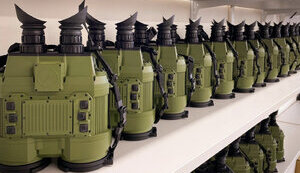
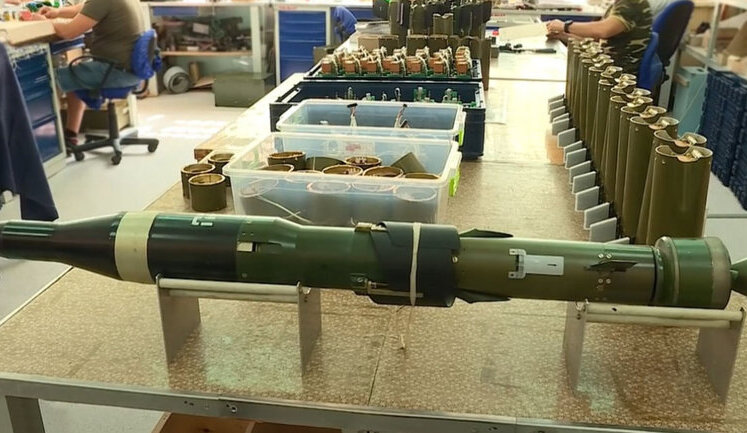
The SAS plays a crucial role in auditing defense expenditures, ensuring funds are used efficiently in the military-industrial complex. However, its actions have been debated for possibly stifling supplier profits and causing procurement delays. This has raised concerns about potential impacts on Ukraine’s defense readiness and has led to calls for a balanced approach in its oversight practices.
What are the implications of the missing UAH 20 million in Borodianka?
The disappearance of UAH 20 million designated for Borodianka's restoration signals significant issues in accountability and financial oversight. This event highlights the challenges SAS faces in monitoring and rectifying financial discrepancies, which are essential for maintaining public trust and ensuring funds reach intended projects efficiently.
Who oversees the actions of the State Audit Service in Ukraine?
The State Audit Service operates under the jurisdiction of Ukraine's government and is subject to oversight by various governmental bodies, including the Cabinet of Ministers and the Verkhovna Rada. Additionally, particular scrutiny comes from international partners and auditors monitoring Ukraine's compliance with best practice standards in public financial management.
What has been the response to draft law No. 10089 regarding public procurement?
Draft law No. 10089, aimed at strengthening control over public procurement, has been criticized for potentially increasing corruption risks and placing undue pressure on businesses. Transparency International Ukraine has raised concerns that such measures may backfire by complicating procurement processes and hindering fair market dynamics unless carefully implemented with safeguards against misuse and overregulation.
What steps are being taken to monitor the State Audit Service's activities?
Efforts to oversee the State Audit Service include increased involvement from European donors and suggestions for legislative reforms to address transparency concerns. These steps include both tailoring stronger oversight mechanisms and incorporating accountability measures to ensure the SAS operates within its mandate effectively while maintaining public trust and fiscal responsibility.