



"Azov" soldier Ishchenko died violent death in Russian pre-trial detention center - Palamar

The prisoner of war of the "Azov" regiment, Oleksandr Ishchenko, died a violent death in the Russian city of Rostov-on-Don.
The deputy commander of the "Azov" brigade, Sviatoslav Palamar, reported this on Facebook, Censor.NET informs.
Palamar, with the consent of Ishchenko's wife, published the results of a forensic medical examination and a certificate of the cause of death made in Ukraine.
It states that the prisoner of war died of shock due to multiple rib fractures and blunt trauma to the chest.

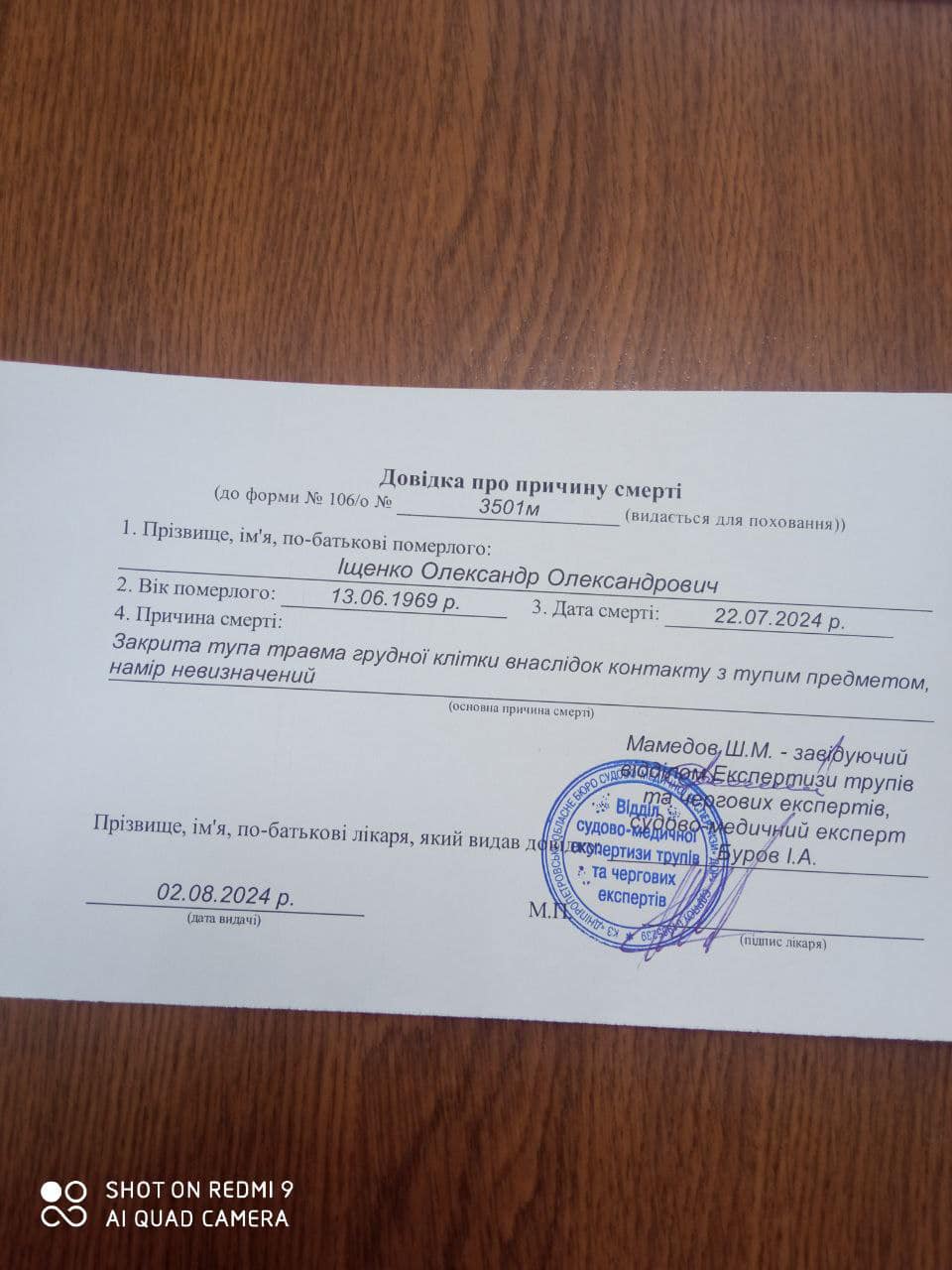
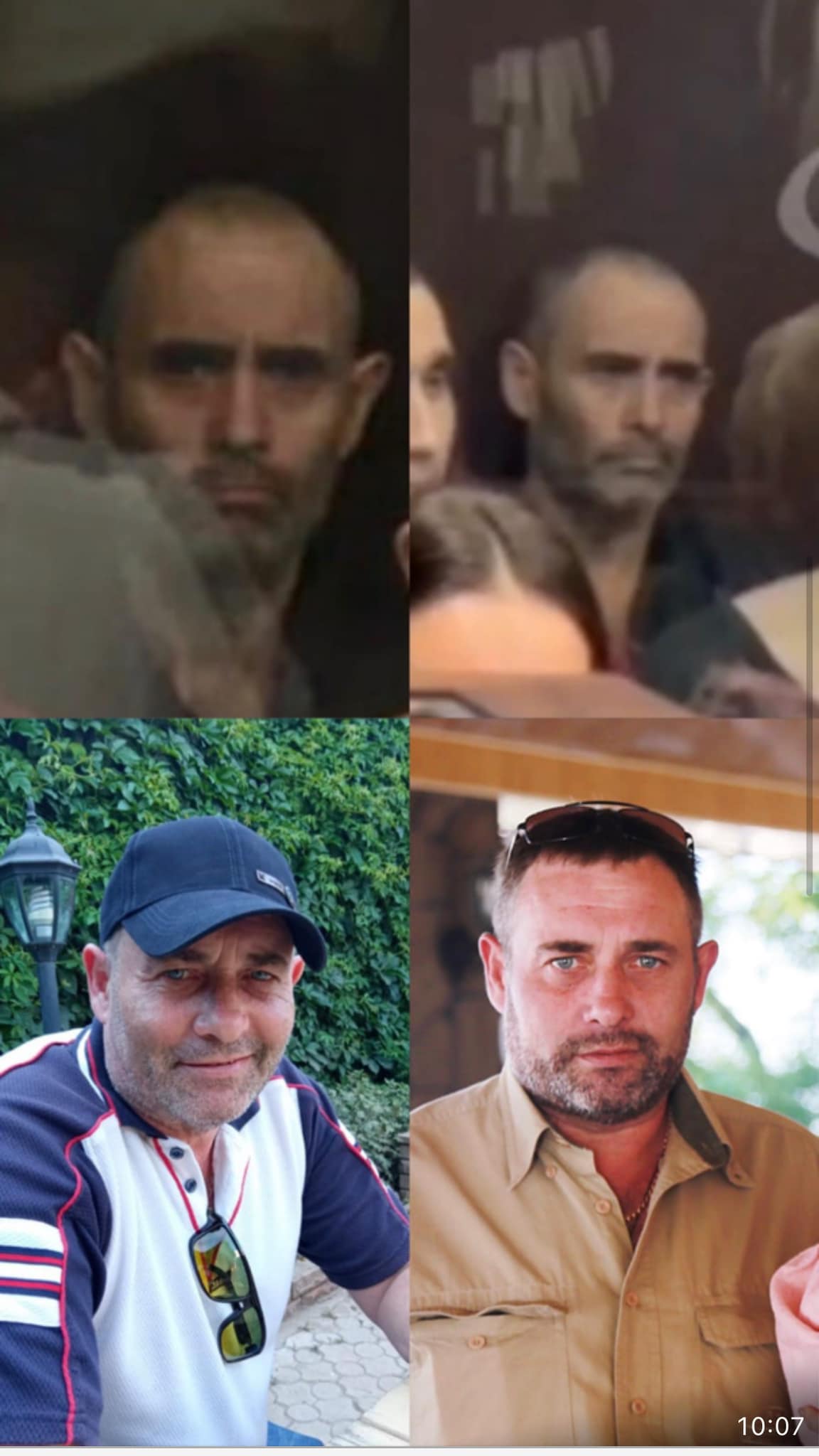
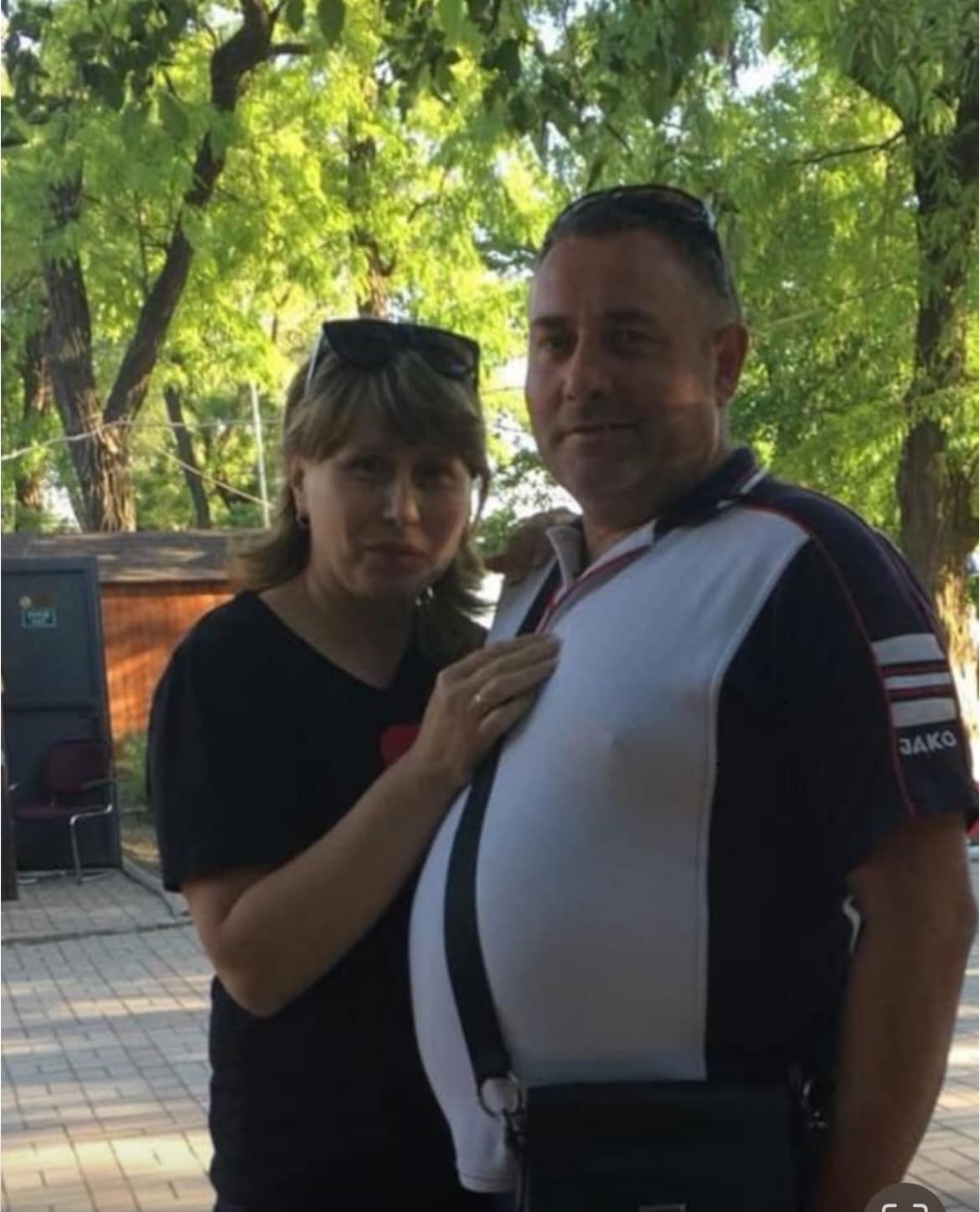
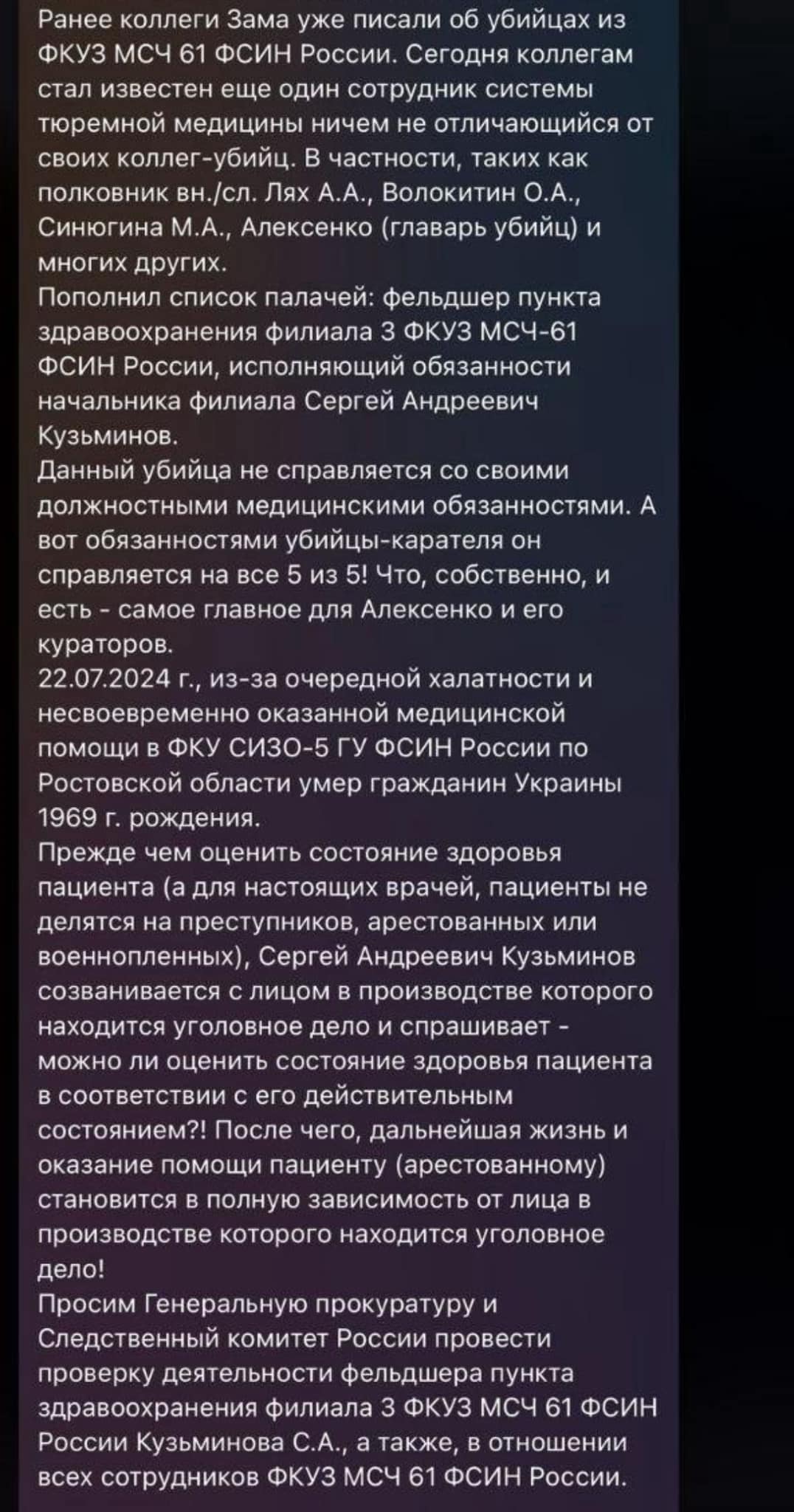
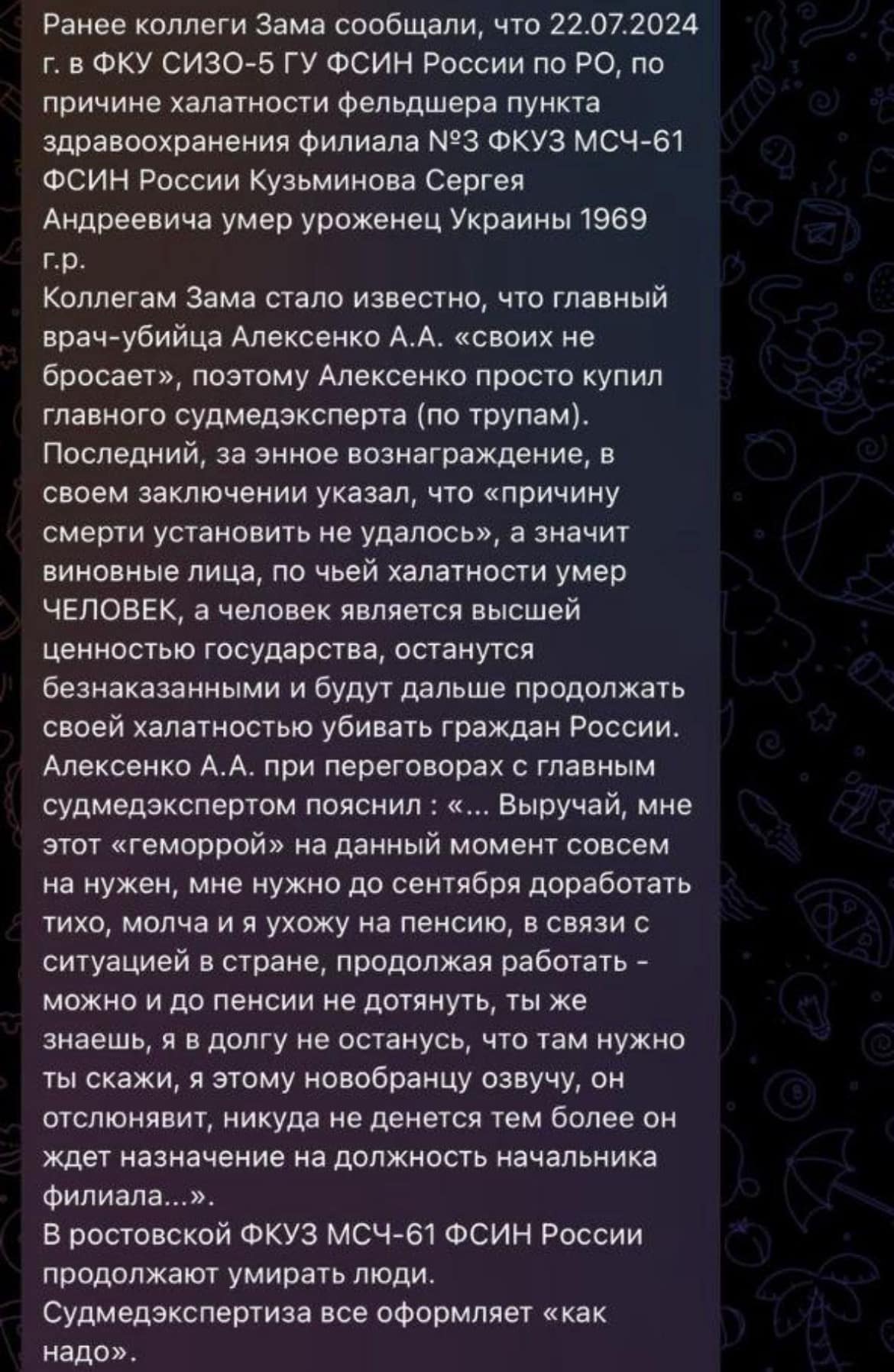
"This is not just another cynical violation of the Geneva Convention relative to the Treatment of Prisoners of War by the Russians. This is a blow to human honour and dignity, to international law, to the principles and values we defend at the frontline. I appeal to every Ukrainian high-ranking official, diplomat and human rights activist. To everyone who has a voice and influence in the international arena: at the UN, the Council of Europe and other global platforms.
Ladies and gentlemen, while our military continue to risk their lives to defend Ukraine at the frontline, you must do everything possible to ensure that our prisoners return to their families safe and sound. This is your duty. Start acting at last. The lives of our soldiers depend on your actions. Your voices and your determination today will determine whether this bloody list of tortured Ukrainian prisoners will grow and whether the torturers and murderers will be held accountable.
Everyone should know about this case, from the United States to China. The murders of Ukrainian prisoners of war should be the number one topic in the world media and on the agenda of international organisations. Only publicity, pressure on the Russians and the return of our prisoners home can stop these killings. Act," Palamar said.
On 31 July 2024, it became known that one of the captured Ukrainian soldiers of the "Azov" regiment, 55-year-old Oleksandr Ishchenko, died in a Russian detention centre.
The Verkhovna Rada Commissioner for Human Rights, Dmytro Lubinets, sent an immediate letter to Russian Ombudsman Tatiana Moskalkova regarding the death of Mariupol defender Oleksandr Ishchenko in Russian captivity. Lubinets also informed the ICRC and the UN about the tragedy.


