



Using frozen Russian assets for Ukraine will not help end war, - Chinese Foreign Ministry
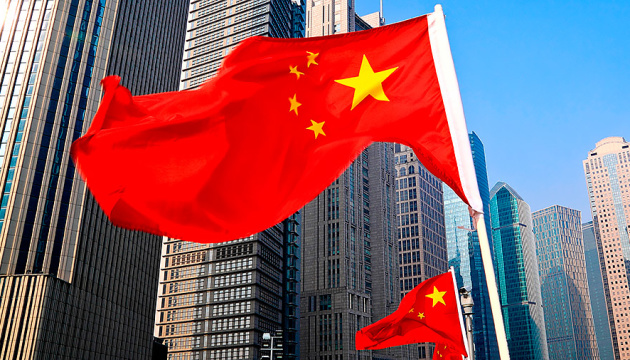
China opposes the use of frozen Russian assets for Ukraine, stressing that this will not contribute to the resolution of the Russian-Ukrainian conflict.
As reported by Censor.NET with reference to Ukrinform, this was stated at a briefing by Chinese Foreign Ministry spokesman Lin Jian.
China opposes the use of Russian assets for the benefit of Ukraine
Commenting on the European Commission's plans to use frozen Russian assets for Ukraine's benefit for a "reparations loan," Lin Jian noted that this would only complicate the situation.
"China consistently opposes any unilateral sanctions that violate international law and are not approved by the UN Security Council. Such unilateral actions only complicate the situation," he said.
Political settlement
Lin Jian added that instead, all countries involved in the conflict should focus their efforts on creating conditions for a political settlement through negotiations.
"All parties must contribute to a political settlement of the crisis and create conditions for peace talks, not the opposite," the spokesperson stressed.
What preceded it?
Earlier it was reported that the European Commission is working on a legal instrument that would allow frozen Russian assets to be used to support Ukraine, but it faces reservations from Belgium about the potential financial consequences.
Today, the European Commission will officially present a proposal to use frozen Russian assets for Ukraine as part of a "reparations loan."
Russian assets to help Ukraine
- Earlier, European Commission President Ursula von der Leyen proposed using frozen Russian assets as collateral for providing Ukraine with "reparation loans". Formally, Russian assets subject to sanctions will not be confiscated, but Ukraine will repay such loans only after Russia pays reparations.
- According to various estimates, the European Union's "reparations loan" to Ukraine, secured by Russian assets, could amount to €130-140 billion. Its final size will be determined after the International Monetary Fund assesses Ukraine's financing needs in 2026 and 2027.
- In total, Euroclear currently holds more than €175 billion in cash from frozen Russian assets, which could be used to secure a new loan. But before the EU agrees to grant a reparations loan, it will want to repay the G7 loan to Ukraine of €45 billion ($50 billion) agreed last year, which was to be repaid from the proceeds of frozen Russian assets.


