



Estonia has begun construction of bunkers on border with Russia
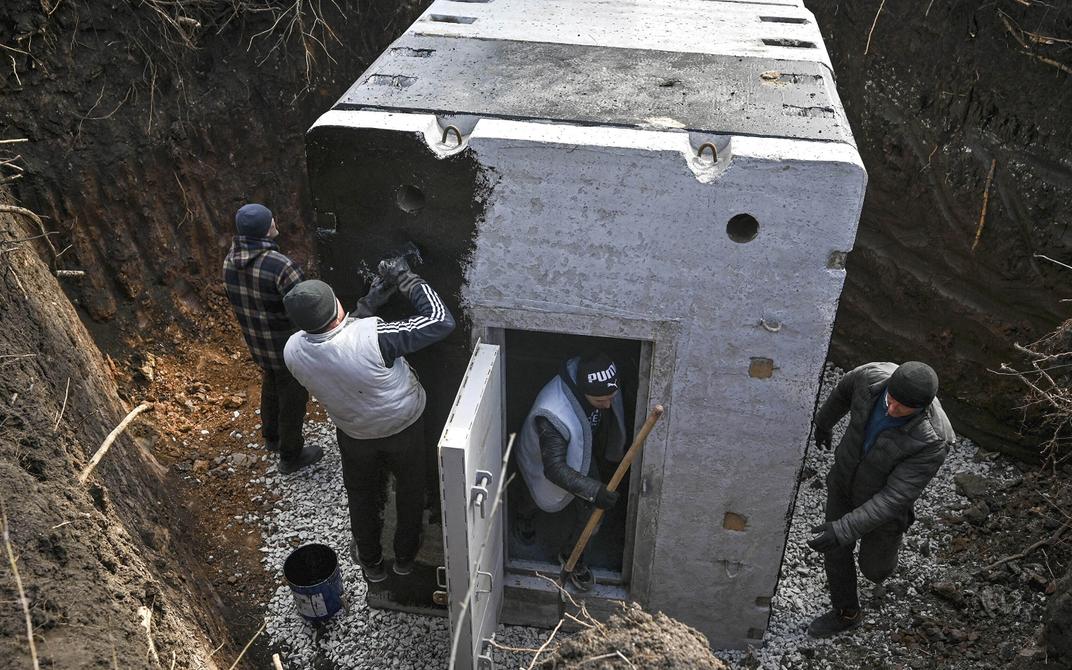
Estonia has moved into the practical phase of strengthening its south-eastern border by starting to build the first concrete defence bunkers within the Baltic Defence Line.
This was reported by Censor.NET with reference to Defense News.
This is part of a large-scale project to create a network of 600 fortifications designed to strengthen the eastern flank of the European Union and NATO against the backdrop of growing security threats from Russia.
The first stage of the defensive line
As of this week, Estonia plans to install the first seven bunkers. By the end of the year, their number is expected to increase to 28. All of them will be part of the pilot phase of the project, which has been adjusted due to difficulties with procurement and planning.
The bunkers are located in the municipality of Setomaa, as well as in other areas in the southeastern part of the country. Each shelter has an area of about 35 square meters and is designed to withstand direct hits from 152 mm artillery shells. According to the Estonian Ministry of Defense, these structures will become part of a multi-level deterrence system.
Project plans, deadlines, and cost
The project started about a year later than originally planned. To get more accurate financial offers, the Estonian government decided to limit the first stage and give bidders info on the approximate locations of the fortifications.
"The initial batch of 28 bunkers is a test phase that will allow us to optimize the further deployment of the entire network," said Krismar Rozin, press secretary of the Estonian Defense Investment Center.
The remaining 572 bunkers are planned to be put out to tender by the end of this year. The total cost of the project is estimated at €60 million. The Estonian side considers these costs to be a long-term investment in national and collective security within NATO.
Earlier, the Estonian parliament did not support the initiative of the local Fatherland party to completely close the border with Russia. The authors emphasized that such an initiative would help reduce the risk of provocations from Russia and strengthen the security of NATO's eastern flank.


