



US-EU rift over frozen Russian assets deepens - Times
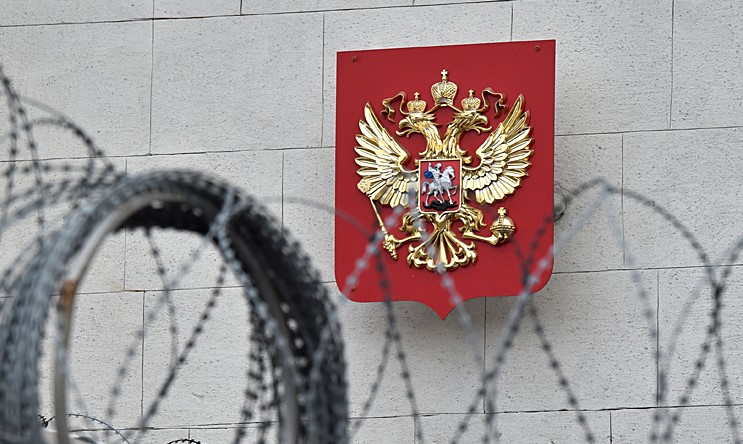
The Donald Trump administration is in favor of keeping frozen Russian assets until official negotiations with Ukraine begin, while the European Union insists on using them.
According to Censor.NET, this was reported by The Times.
"In private conversations, US officials warned their colleagues from the EU and the UK about the serious consequences of such a move. In particular, Washington is making it clear that if the assets are seized now, Europeans and Britons will have to compensate for these funds from their own budgets in the future," the article says.
Key reasons for the position of the United States:
- The issue of preserving Russian funds is one of the central elements of Trump's strategy for ending the war.
- Washington believes that confiscating assets will deprive the West of an important tool for exerting pressure on the Kremlin during future negotiations;
- The American side fears that radical steps involving assets will only delay the prospect of a peaceful settlement.
Sources close to the publication emphasize that the Trump administration views frozen funds as a flexible financial instrument that should remain untouched until official negotiations between Moscow and Kyiv begin.
Russian assets to help Ukraine
- Earlier, European Commission President Ursula von der Leyen proposed using frozen Russian assets as collateral for providing Ukraine with "reparation loans". Formally, Russian assets subject to sanctions will not be confiscated, but Ukraine will repay such loans only after Russia pays reparations.
- According to various estimates, the European Union's "reparations loan" to Ukraine, secured by Russian assets, could amount to €130-140 billion. Its final size will be determined after the International Monetary Fund assesses Ukraine's financing needs in 2026 and 2027.
- In total, Euroclear currently holds more than €175 billion in cash from frozen Russian assets, which could be used to secure a new loan. But before the EU agrees to grant a reparations loan, it will want to repay the G7 loan to Ukraine of €45 billion ($50 billion) agreed last year, which was to be repaid from the proceeds of frozen Russian assets.


