



NATO is not ready for long war, - NATO Commander Atlee
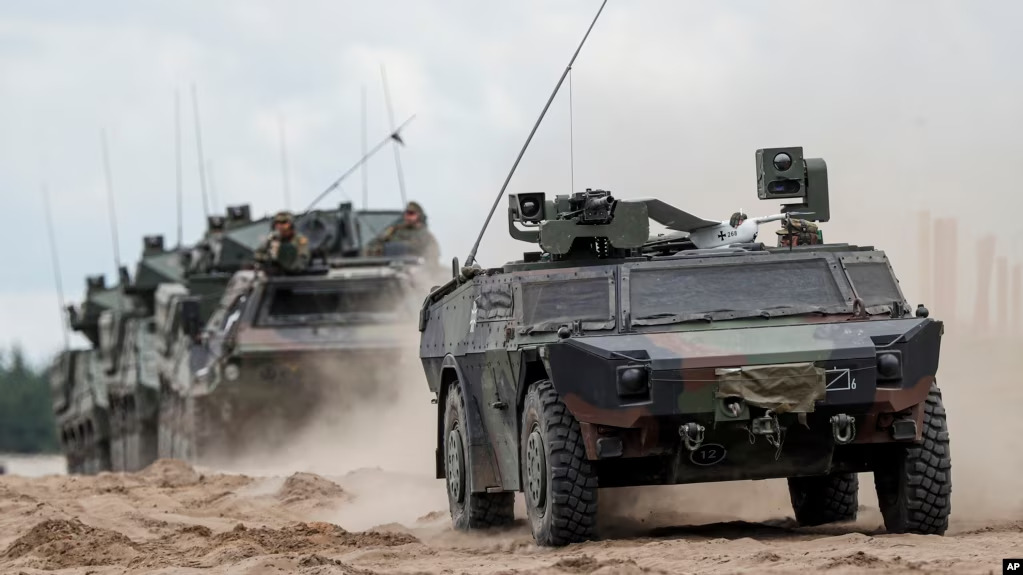
The head of NATO's Joint Maritime Command, Vice Admiral Mike Atlee, warned that NATO forces currently lack the resources and resilience for a protracted conflict.
According to Censor.NET, this was reported by Bloomberg.
Western armed forces need to prepare for more complex threats, including cyberattacks and traditional military operations.
"Do we have the resilience we would like to have? I don't think so. But countries have realized this and are ready to invest in these opportunities to increase our resilience," he said.
NATO has the upper hand, but not for long
According to Atl, the Alliance has an advantage over Russia in terms of capabilities, but is not always able to maintain it during prolonged combat operations without interruption.
High-ranking European security officials are sounding the alarm over the threat of hybrid attacks from Moscow. NATO Secretary General Mark Rutte noted that Russia may be ready to use military force against the Alliance within five years and called for preparations for a war on a scale experienced by previous generations.
New leaders of British intelligence services and armed forces also warned of the threat. MI6 chief Blez Metreveli said that Europe is now "operating in the space between peace and war." Chief of the Defence Staff Richard Knighton added that more Britons should be prepared to fight for their country.
US President Donald Trump's desire to accelerate peace talks between Russia and Ukraine has raised concerns in Europe that the US may shift its attention away from the region. However, critical provisions of the National Defense Authorization Act will make it difficult for the US to withdraw troops and key weapons systems.
Prolonged escalation and hybrid attacks
Western representatives believe that even with a ceasefire, Putin will continue military operations in Ukraine and hybrid attacks in other regions.
Although most NATO members have agreed to spend at least 3.5% of GDP on core defense programs and another 1.5% on related areas by 2035, the actual allocation of funds is slower. The UK, for example, has postponed the publication of its own defense investment plan until next year.
Atli added that NATO's investments will eventually match the range of challenges, and priorities are not determined solely by the availability of funds:
"It's about setting priorities, not about the defense department spending every penny on every opportunity."


