



Russia is stuck in urban combat in Pokrovsk: enemy has already lost 6,500 troops, - 7th Airborne Corps
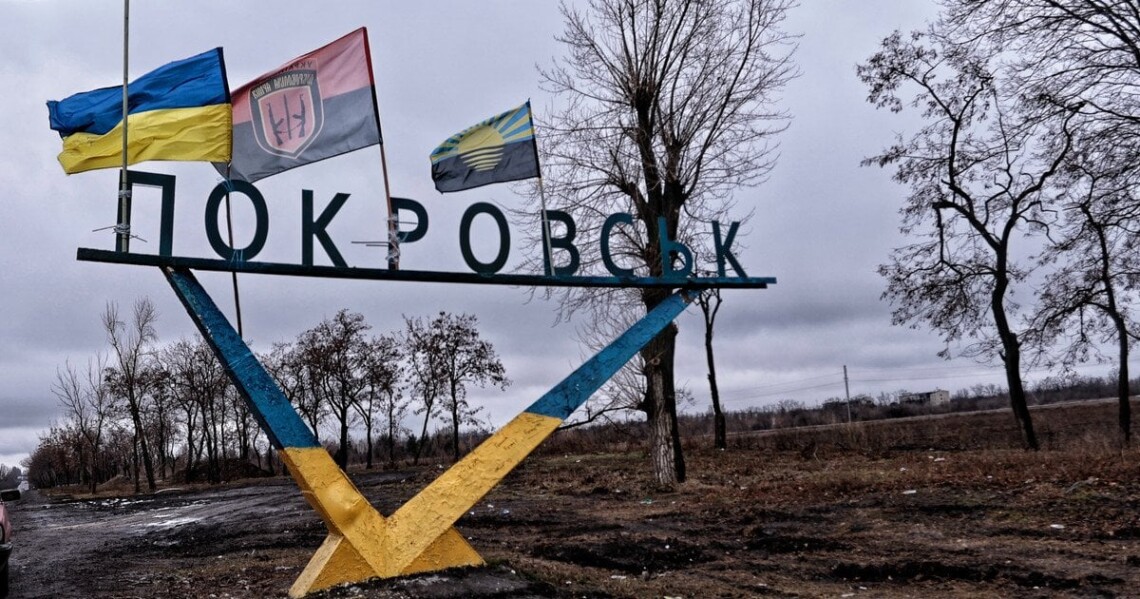
Pokrovsk remains one of the most intense areas of the front line, where Ukrainian forces have managed to halt the advance of Russian troops.
According to Censor.NET, this was reported in an interview with NV by Yevhen Laseichuk, commander of the 7th Rapid Response Corps of the Airborne Assault Forces of the Armed Forces of Ukraine.
Urban fighting has halted the Russian advance
According to him, the enemy is bogged down in urban fighting and is suffering enormous losses. The city's buildings and the railway, which effectively divides Pokrovsk into northern and southern parts, play a key role in the defence.
"In Pokrovsk, the enemy is bogged down in urban combat. The enemy is trying to infiltrate the northern neighbourhoods in small groups, but we are systematically detecting and stopping these attempts," Laseichuk said.
Thousands of casualties since September
The commander reported that Russia had concentrated about 150,000 troops on this section of the front. At the same time, since 1 September alone, enemy losses in the Pokrovsk agglomeration area have amounted to almost 6,500 people, according to confirmed data.
According to Laseichuk, there are many so-called deserters among the captured Russian soldiers. Ukrainian units have also repeatedly detained Russians who were wandering in search of food. He stressed that the Russian command continues to use tactics of massive infantry assaults without taking into account losses.
Strategic importance of the city
The commander of the Airborne Forces emphasised the strategic importance of Pokrovsk. The city blocks the exit of Russian troops to the operational space and restrains their advance towards the Kramatorsk-Sloviansk agglomeration and the Kharkiv region.
"It would be much easier for the 150,000-strong enemy army to advance across the fields if the Pokrovsk agglomeration became a logistics hub for them," Laseichuk concluded.


