



Russia is investing $11.8 billion in Ukraine’s occupied territories, - Reuters
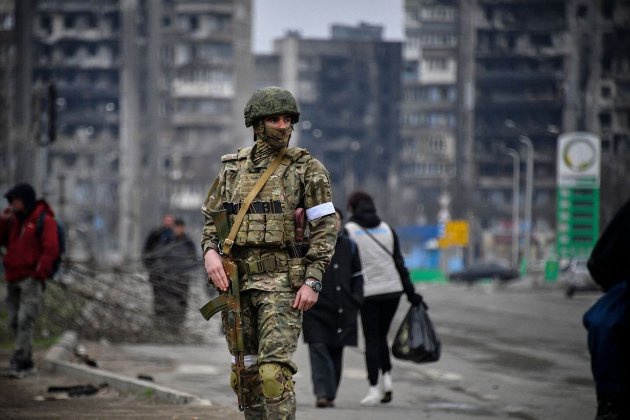
Russia is gradually integrating the occupied Ukrainian territories into its own economic sphere, undermining the position of Ukraine and its allies regarding their return. Moscow is investing hundreds of millions of dollars in large-scale construction of transportation and trade infrastructure in the occupied territories, seeking to make their integration into the Russian Federation irreversible.
According to Censor.NET, this is stated in a Reuters investigation.
It is noted that these long-term projects are aimed not only at ensuring military logistics, but also at softening Kyiv’s demands regarding de-occupation.
Infrastructure as a tool for integration
The Kremlin is shaping a new economic reality in which the occupied parts of the Donetsk, Luhansk, Zaporizhzhia, and Kherson regions are positioned as "Novorossiya." Between 2024 and 2026, federal funding for these regions is expected to reach $11.8 billion—nearly three times more than is spent on the development of most Russian regions.
One of the key elements of this strategy is the construction of over 500 km of railway connecting Rostov-on-Don with Crimea via Mariupol and Berdiansk. Satellite imagery shows active track laying outside the zone of active hostilities to minimize the risk of strikes. At the same time, the "Novorossiya" highway project is being implemented, which will become part of the so-called "Azov Ring." Despite regular attacks by Ukrainian forces, the occupying authorities are rapidly restoring damaged infrastructure and creating an alternative to the Crimean Bridge.
Resources and economic benefits
In addition to infrastructure, Russia is actively exploiting the natural resources of the occupied territories, putting mines and agricultural land up for sale. In particular, the rights to develop the Bobrykivka gold deposit in the Luhansk region have been transferred to a Russian company—satellite data already confirms that work has begun. Hundreds of thousands of tons of coal are also being exported to countries in Asia and the Middle East through the modernized ports of Mariupol and Berdiansk.
Experts emphasize that such deep economic integration makes the occupation financially profitable for Moscow and creates additional obstacles to future peace agreements that would provide for the return of these territories to Ukraine.


