



EU to transfer €1.4 billion in proceeds from frozen Russian assets to Ukraine, European Commission says
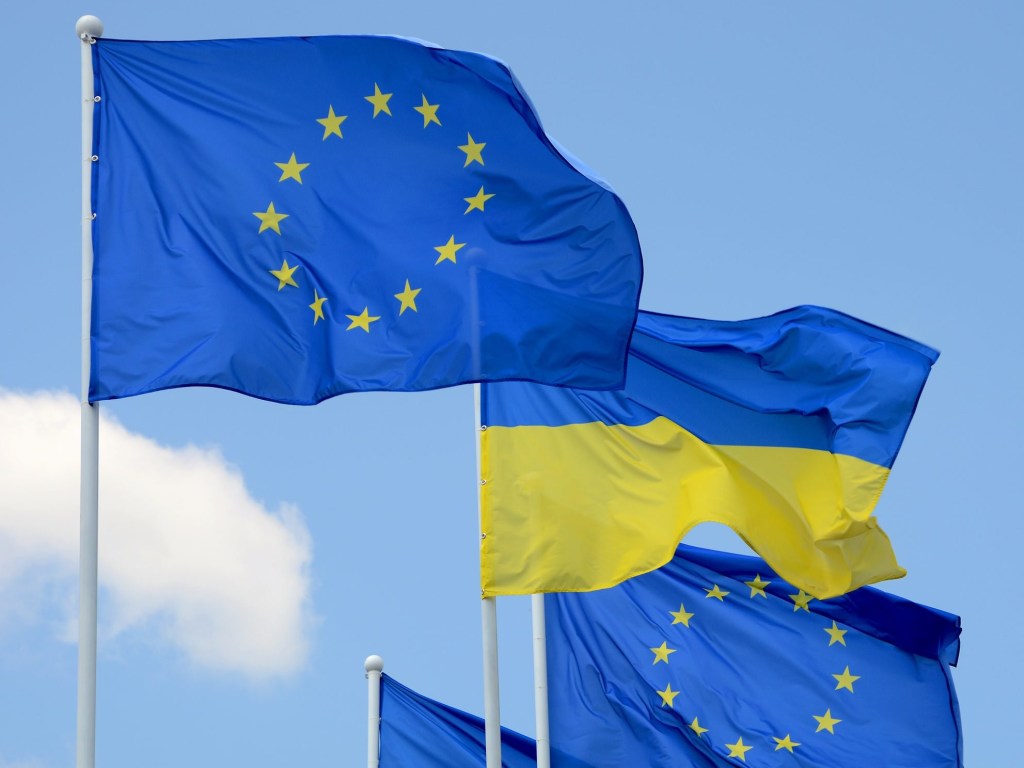
The European Union will transfer €1.4 billion to Ukraine, obtained as proceeds from frozen Russian assets.
This was reported by the European Commission’s press service, Censor.NET informs.
It is noted that on 31 March, the EU received these funds as additional interest income from the assets of the Central Bank of Russia held in European depositories and kept frozen under sanctions.
How the funds will be used
By decision of the European Commission, these funds will be directed to support Ukraine, in particular to ensure the functioning of the state, basic services, and the needs of the Armed Forces.
European Commission President Ursula von der Leyen said the money should go "where it is most needed."
How the funding will be allocated
About 95% of the amount will be channeled through the Ukraine Loan Cooperation Mechanism (ULCM), which helps repay EU macro-financial assistance loans and loans from the G7 countries.
The remaining 5% will be allocated through the European Peace Facility (EPF), which finances Ukraine’s military and defense needs.
As previously reported by Censor.NET, frozen Russian assets remain inaccessible to Russia, but the European Union has decided to use proceeds generated by those assets to support Ukraine during the war.
Also yesterday, during a press conference held as part of the informal off-site meeting of the EU Foreign Affairs Council in Kyiv, EU High Representative Kaja Kallas announced an additional €80 million funded from proceeds generated by frozen Russian assets.
The EU stresses that the mechanism for using proceeds from frozen Russian assets is seen as one of the key instruments for supporting Ukraine. At the same time, their use remains the subject of debate, particularly because of legal risks and the positions of certain countries that may block decisions. Russia, for its part, is threatening lawsuits and financial consequences if these funds continue to be used.


