



Police special operation "Black Cartridge": scheme to supply weapons to top Russian politicians and propagandists has been exposed. VIDEO&PHOTOS
As a result of the ‘Black Cartridge’ special operation, police have dismantled a supply chain for ‘award’ weapons intended for controversial Russian politicians and propagandists.
This was reported by Censor.NET, citing the National Police’s communications department.
Who received the weapons?
Kim Jong-un, Bashar Hafez al-Assad, Dmitry Medvedev, Sergey Sobyanin, Sergey Lavrov, Ramzan Kadyrov, Steven Seagal, Yulia Chicherina, Vladimir Solovyov, Alexander Sidyakin and Vladimir Saldo – these are the individuals who received "award" weapons from the leader of the so-called "DPR", Denis Pushilin.
Supply channels
The weapons came from two sources: they were stolen from the temporarily occupied territories of Ukraine or illegally imported from the Slovak Republic.
In particular, this refers to Glock-type pistols chambered for Flobert cartridges, which, after being imported from Slovakia, were converted into fully-fledged combat weapons. They were subsequently sold to criminals, passed on to illegal armed groups, and also used as a means of "incentivising" individuals who had no legal right to possess combat weapons.
"The smuggling mechanisms, supply routes and members of the organised criminal group were uncovered by investigators from the Main Investigation Department of the National Police of Ukraine, in conjunction with operatives from the Department of Strategic Investigations, back in January this year," the statement reads.
Detention of suspects
Following cooperation with Polish law enforcement agencies, some of the suspects – Ukrainian citizens – were detained at the Polish border whilst attempting to illegally import weapons into that country. The weapons were seized, and indictments have been sent to the court in Poland.
In Ukraine, police investigators informed Denis Pushilin that he was suspected of war crimes (Part 1 of Article 438 of the Criminal Code of Ukraine).
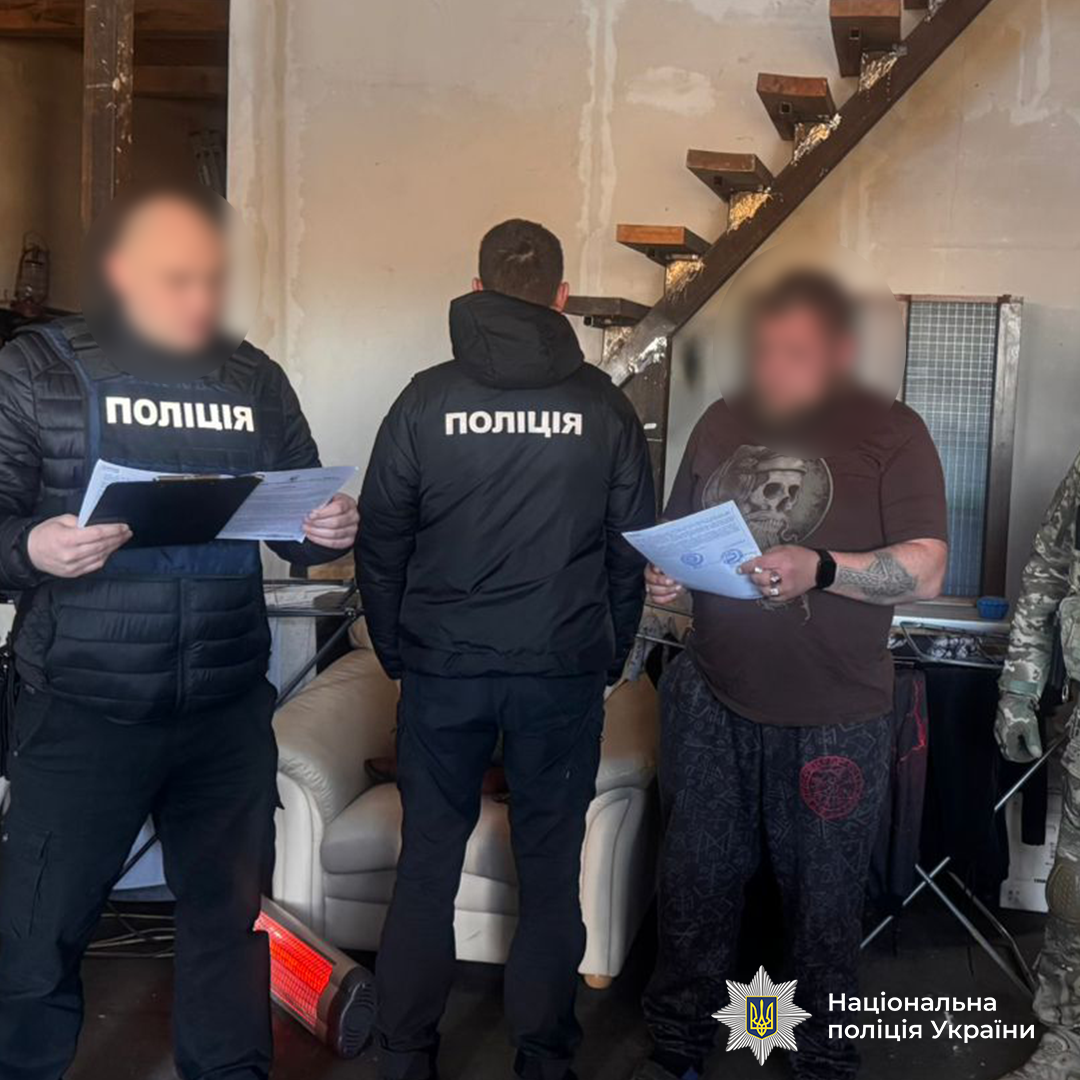
In April this year, police, in conjunction with the Military Counter-Intelligence Department of the Security Service of Ukraine, carried out the second phase of the ‘Black Cartridge’ special operation – over 30 simultaneous searches in Kyiv, Kyiv region, Zakarpattia and Sumy regions. The results confirmed the scale of illegal arms flows directed towards the temporarily occupied territories.
Searches and seizures
As a result of the investigative operations, over 90 firearms were seized: assault rifles, machine guns, pistols and submachine guns, sniper rifles, including large-calibre ones, at least seven grenade launchers and anti-tank weapons, dozens of grenades, detonators and fuses, TM-62M anti-tank mines, 30 mm artillery ammunition, as well as a lightly armoured ‘Tigr’ vehicle.


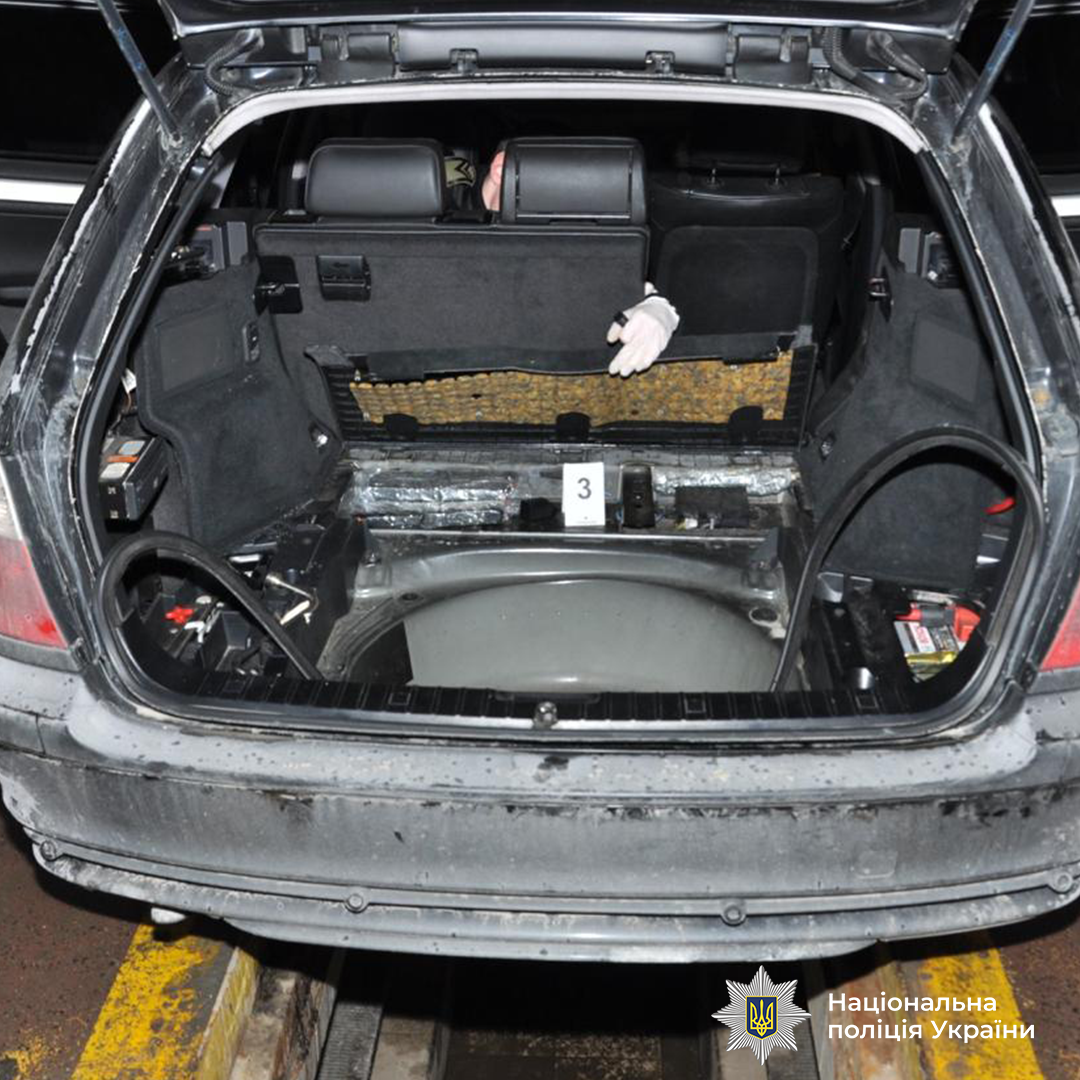

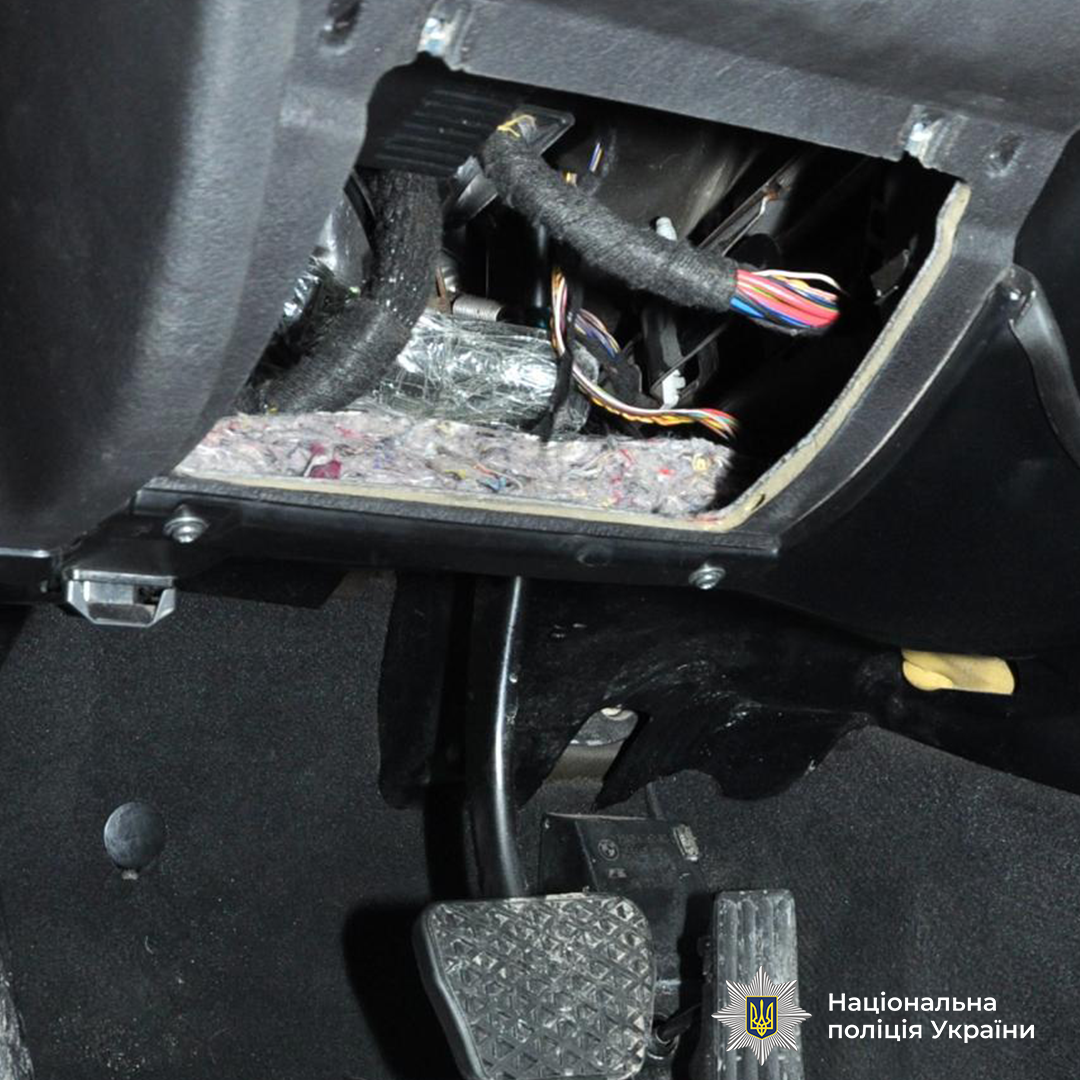
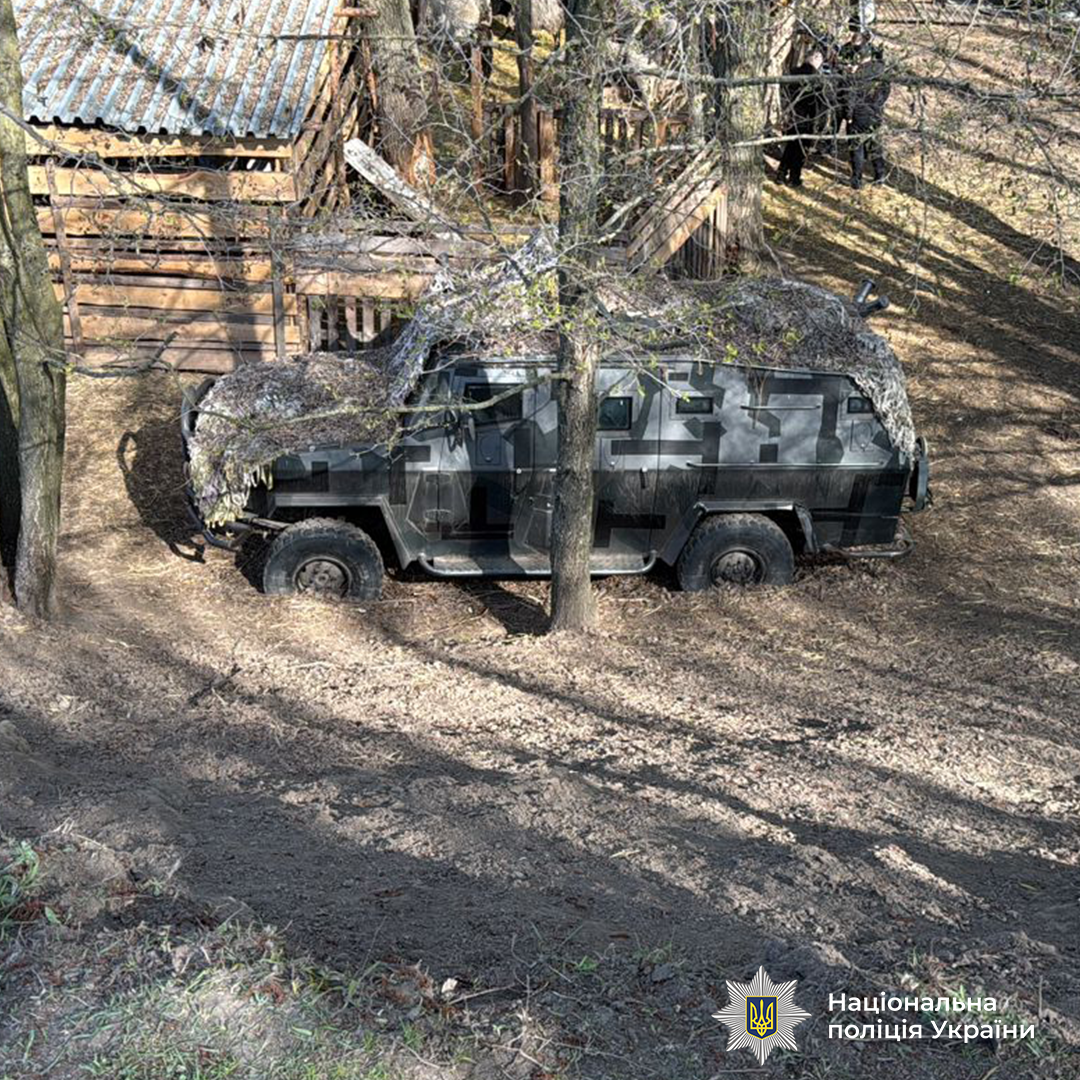
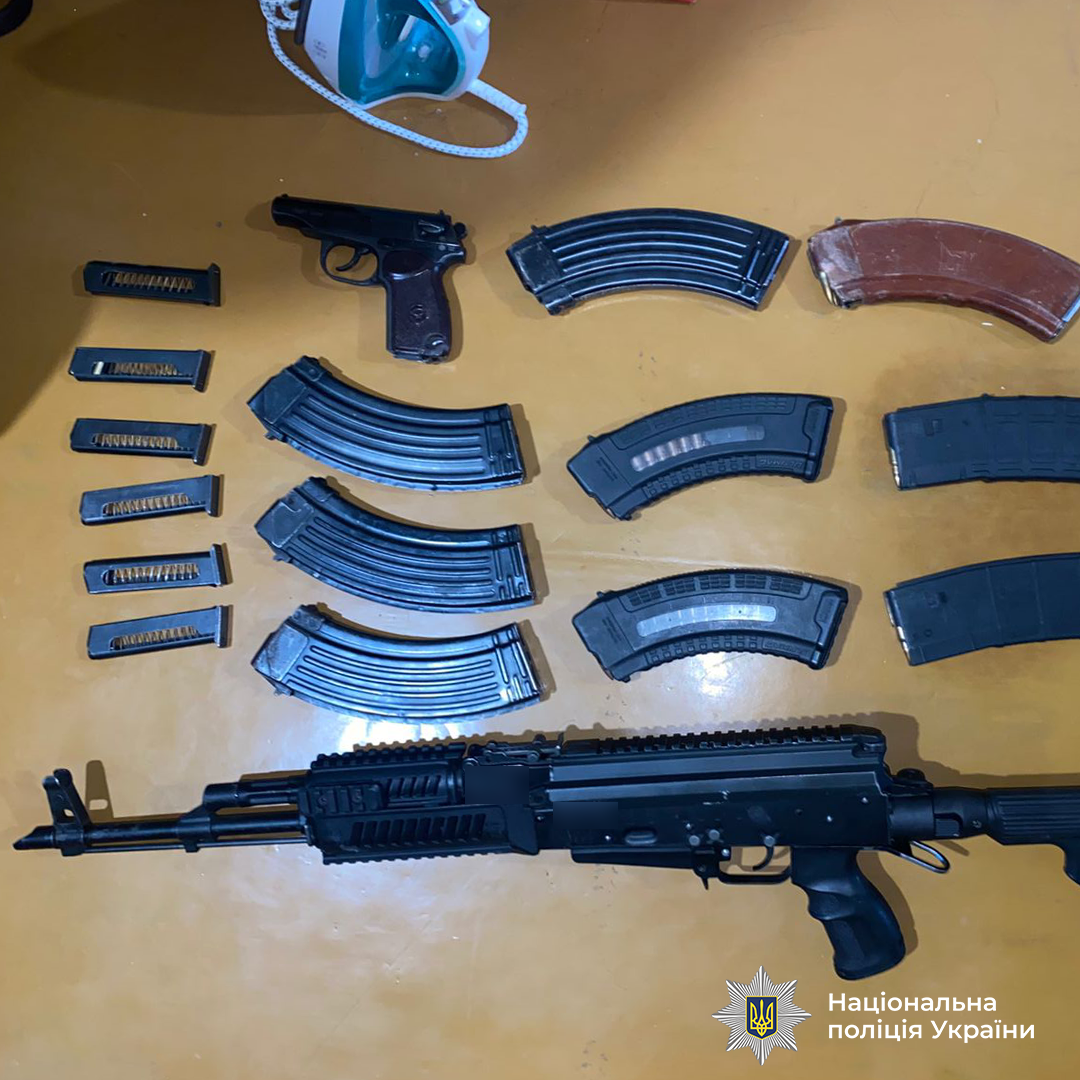

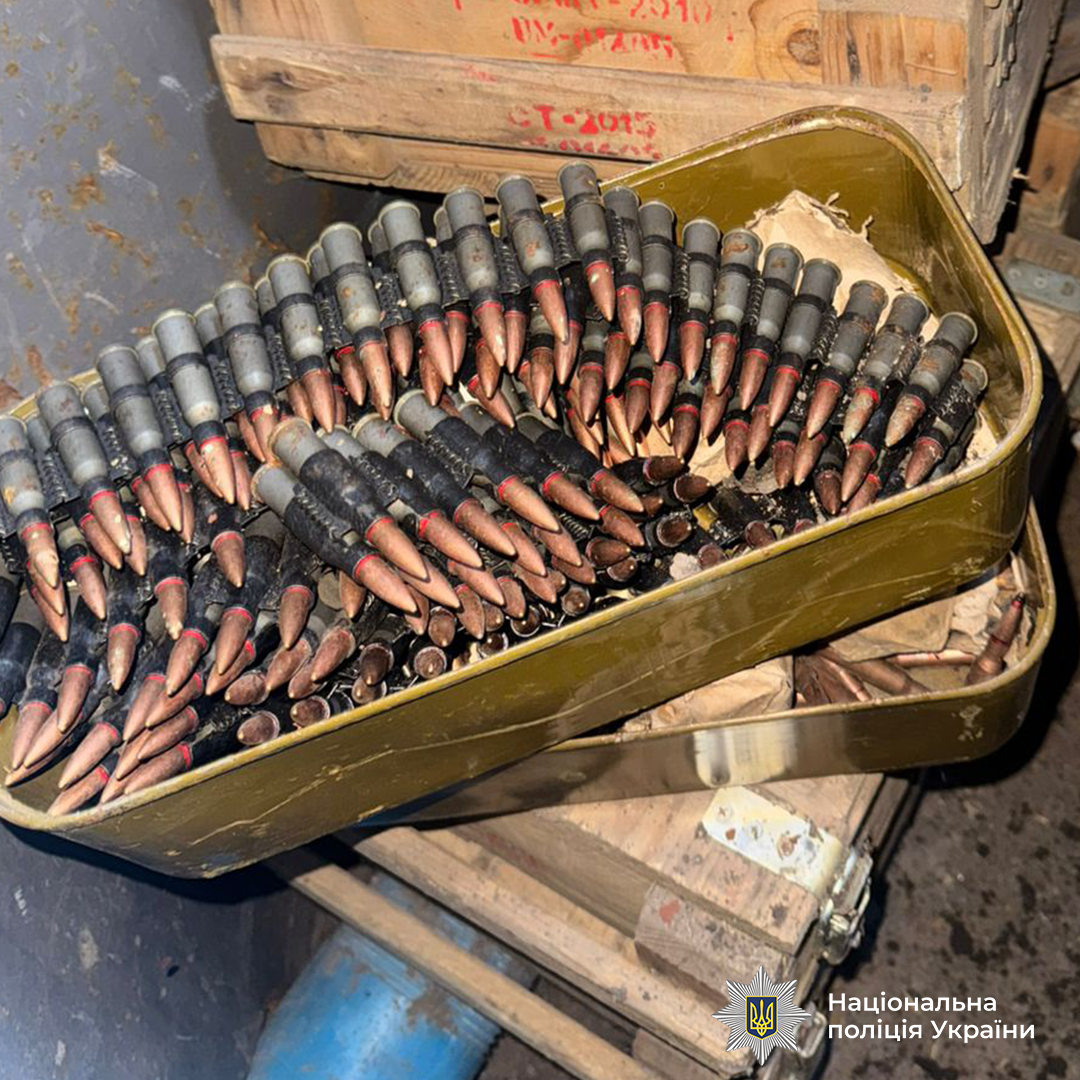
Separately, over 35,000 rounds of ammunition of various calibres, over 150 grenade launcher rounds, rocket motors for them, shaped-charge warheads, smoke grenades and other explosive devices were seized.
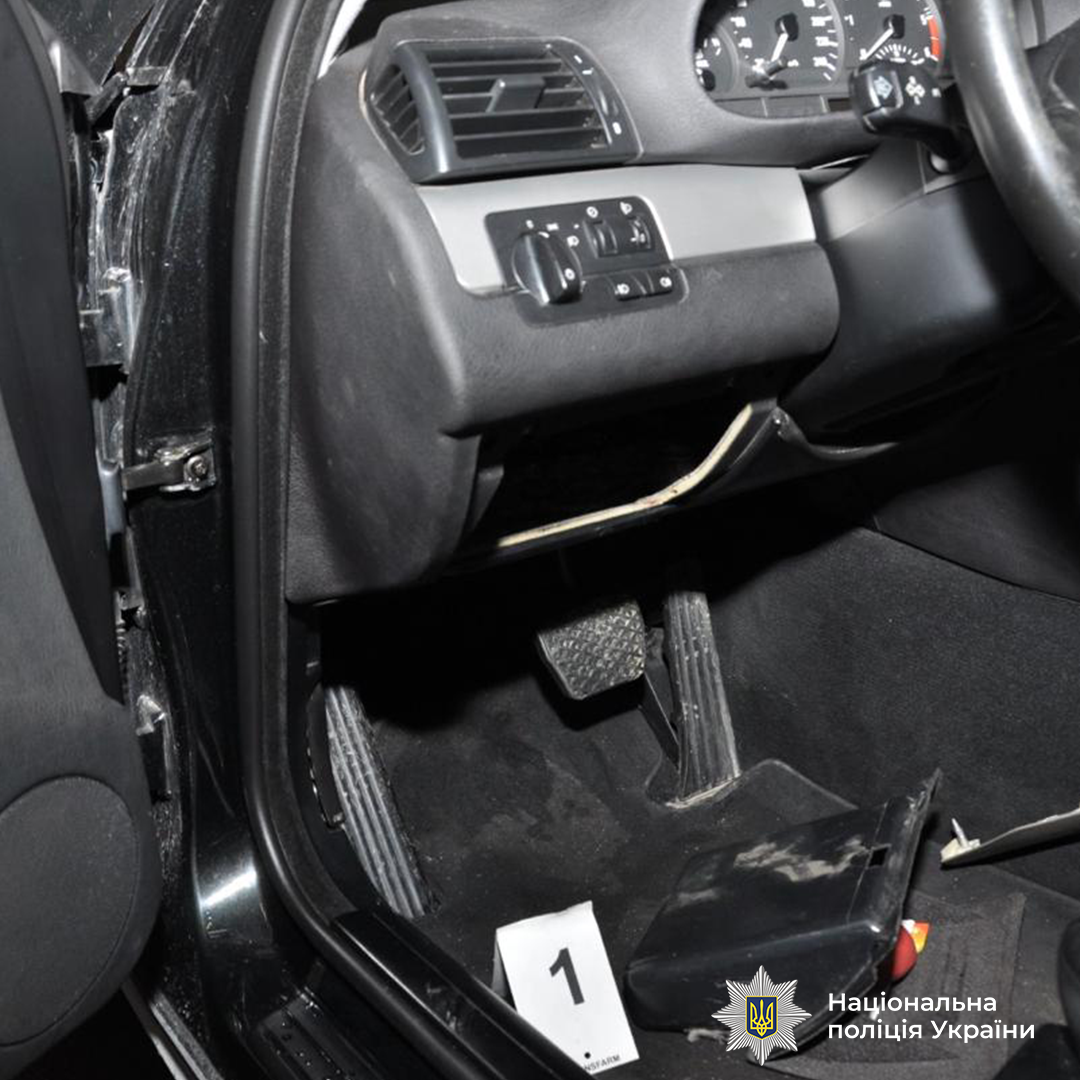
Part of the arsenal was stored in garages, residential buildings and vehicles, while the rest was kept in specially equipped caches in the area, the coordinates of which were provided by the suspects themselves. Forged documents, seals, ID cards, equipment and data storage devices used to cover up their activities and organise logistics were also seized.
A series of expert examinations has now been ordered, the results of which will determine whether new charges will be brought.
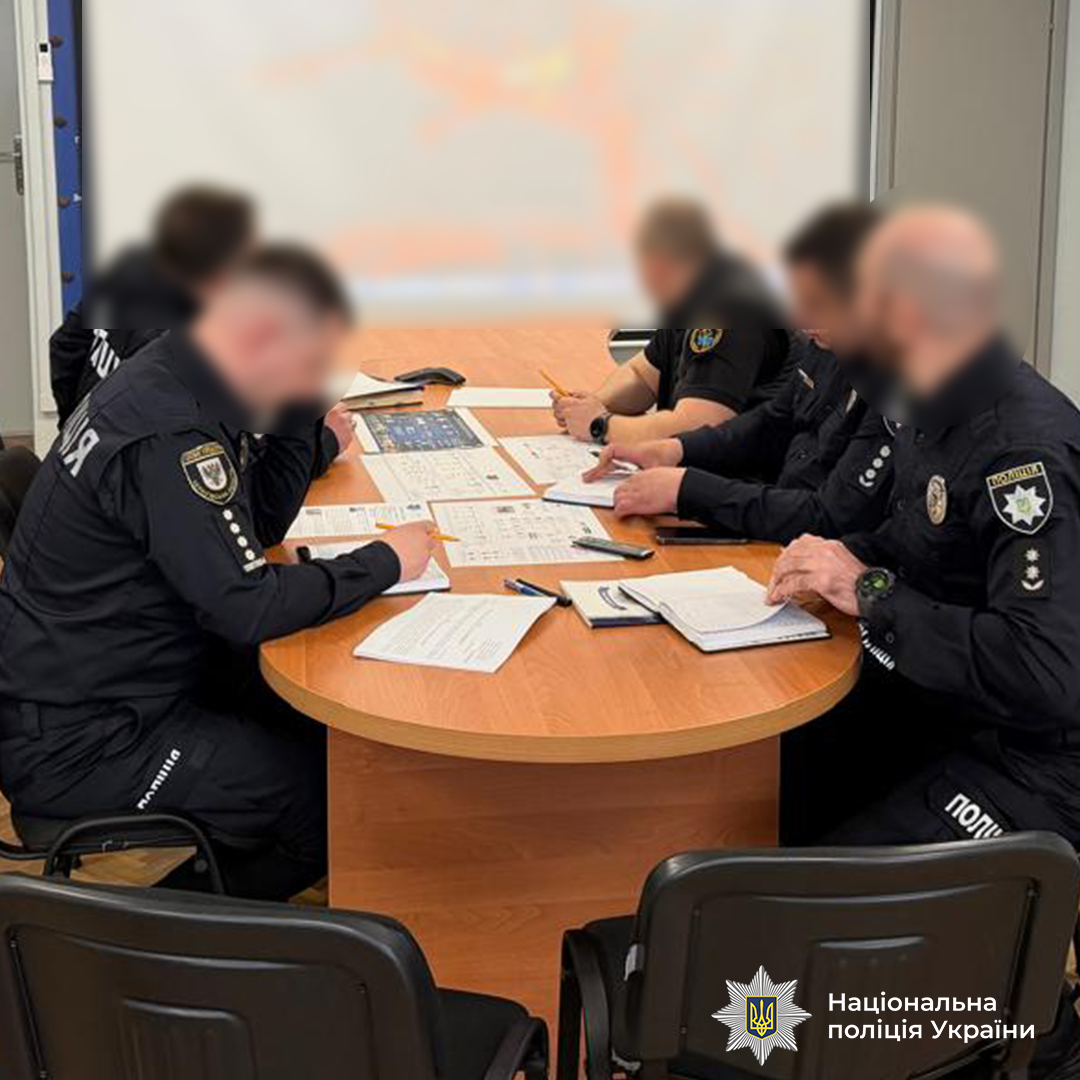
Police are identifying all participants in the scheme, the routes taken by the weapons and the final recipients. The operation involves the capabilities of the Foreign Intelligence Service of Ukraine, international partners – Europol – and the AP Weapons & Explosives analytical project.
With the assistance of the Department of International Police Cooperation, a virtual coordination centre has been set up at Europol, enabling real-time information exchange via secure channels, including the SIENA system.
What is known about the operation?
The ‘Black Cartridge’ special operation is being conducted under the procedural supervision of the Office of the Prosecutor General simultaneously across several fronts – from blocking supply channels and dismantling caches to international coordination and bringing all those involved to justice.


