



Increased enemy activity has been reported in Dobropillia sector, - 12th "Azov" Brigade of NGU
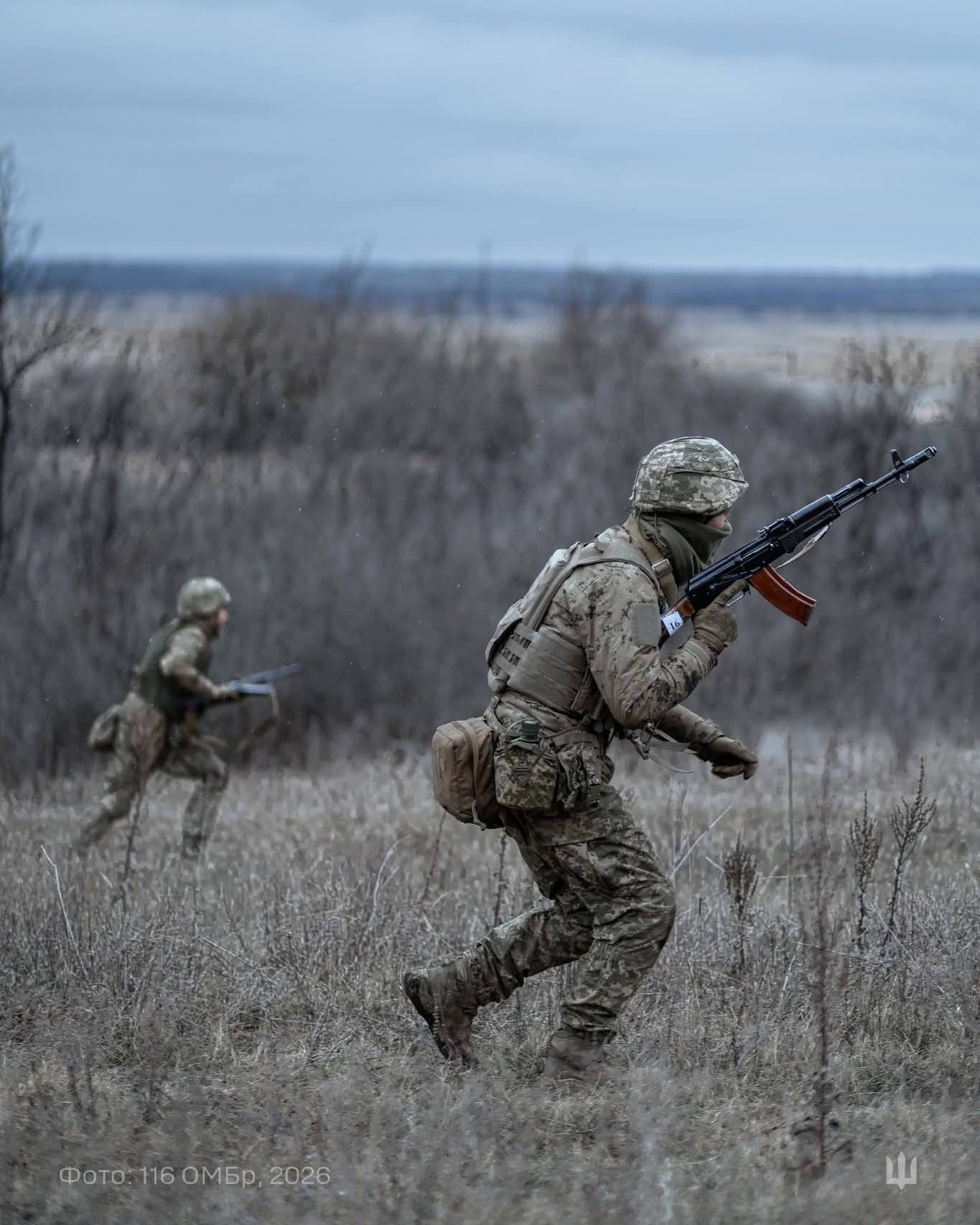
The situation is escalating in the Dobropillia sector. The enemy has stepped up reconnaissance and troop movements, using the natural cover provided by "greenery".
According to Censor.NET, this was reported by an officer of the 12th "Azov" Brigade of the National Guard of Ukraine, call sign "Kultura," on the program "Ukrainian Focus: Morning" on Slawa.TV and Espreso.
"Recently, we've seen the situation escalate because the so-called ‘greenery’ is now active, and in some places the enemy has more cover as a result. In other words, both daytime and nighttime movements have become more effective for them because at night it is harder to use thermal imaging drones for surveillance through the ‘greenery,’ since it also heats up, making it easier to hide there. And during the day, accordingly, the ‘greenery’ itself covers the enemy’s movements," the officer noted.
According to an officer of the 12th "Azov" Brigade of the National Guard of Ukraine, no large-scale assaults involving enemy equipment are currently being recorded in the Dobropillia sector.
For the most part, the enemy continues to use the tactics it has long employed—moving in small infantry groups.
"In some places, we see movement by motorized vehicles, mostly motorcycles and sometimes ATVs. And we are observing a significant increase in enemy surveillance of our rear areas by their reconnaissance units.
In other words, these actions suggest that the Dobropillia sector is likely becoming a higher priority for the enemy. Even compared to the previous two spring months, the increase in reconnaissance wings is significant. Most likely, we can expect further actions in the future," the officer added.
Why is the Russian army moving away from large-scale attacks?
The Russian army is gradually moving away from tactics involving massive assaults and is increasingly operating in small infantry groups. According to The Telegraph, these changes are linked to significant losses on the front lines.
For a long time, the Russian command relied on numerical superiority, sending large infantry units into heavy fire from Ukrainian forces.
However, this tactic had limited effectiveness: it led to significant losses, rarely resulted in major breakthroughs, and eventually lost its effectiveness amid the development of modern technologies.
Drones and electronic warfare systems played a key role in changing the nature of combat operations. Drones provide constant surveillance of the battlefield and quickly detect troop concentrations, while electronic warfare complicates the coordination of units. Under such conditions, massed assaults became even more vulnerable and less effective.


