



NATO prepares to strengthen European defense: Rutte to meet with arms manufacturers, - FT
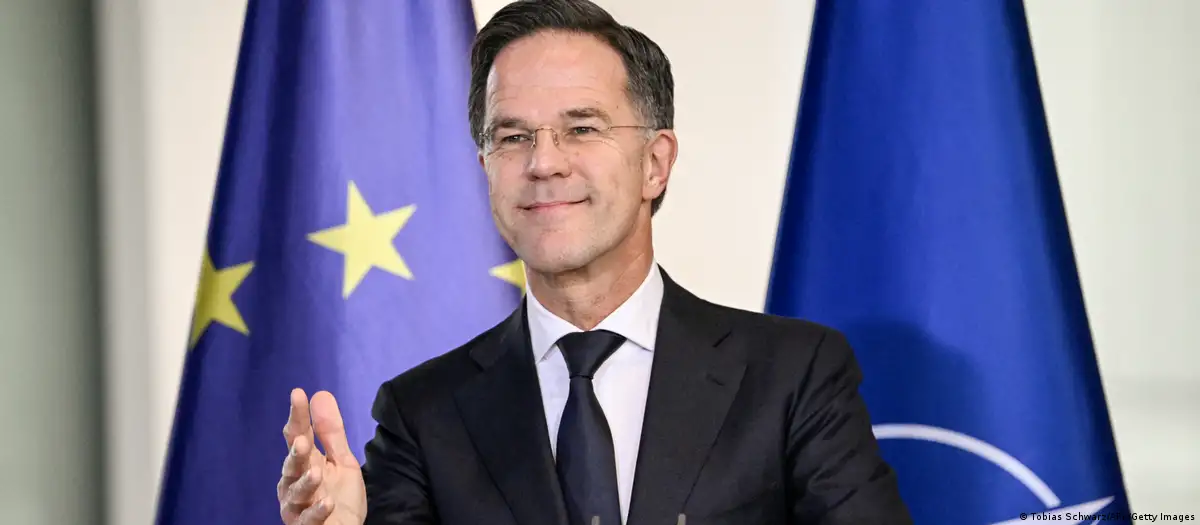
NATO Secretary General Mark Rutte plans to meet with Europe's leading defense companies to encourage investment and increase arms production.
According to Censor.NET, this is reported by the FT.
It is noted that the talks are also aimed at accelerating production and preparing for key decisions expected at the NATO summit in Ankara in July. Rutte intends to urge defense companies to act more quickly and ramp up production capacity in response to growing demand from allies.
According to industry sources, such a large-scale meeting is unusual and underscores the Alliance’s desire to rapidly ramp up defense production ahead of the NATO summit in Ankara in July.
Representatives from companies such as Rheinmetall, Safran, Airbus, Saab, MBDA, and Leonardo are expected to attend.
"We do not comment on the details of private, informal meetings," Airbus said.
Rheinmetall, MBDA, and Leonardo declined to comment. Safran and Saab did not respond to the FT’s request for comment.
Pressure on the defense industry
NATO wants European arms manufacturers to help meet Trump’s demands for increased defense spending, as the Alliance seeks to appease the U.S. president’s anger over the allies’ failure to support a war against Iran. These investments are also aimed at reducing the continent’s dependence on the U.S. amid growing concerns about Washington’s commitment to the region.
At last year’s NATO summit in The Hague, Alliance leaders agreed to Trump’s demand to increase defense spending to 5% of GDP. By focusing the Ankara meeting on arms deals, officials said, they could demonstrate the impact of that pledge and allow Trump to take credit for it.
"The point is to make the increase in defense spending seem more realistic," said one of the officials.
Tension between governments and manufacturers
European defense companies and defense ministries have been at odds in recent years. The companies have claimed that governments are not signing enough long-term procurement contracts. Governments have argued that the sector has been unable to ramp up production capacity quickly enough.
Despite these tensions, Rutte also wants to hear from companies about the obstacles they face in ramping up production to meet NATO’s needs.
Although European companies have taken steps to address the ammunition shortage, access to long-range missiles is now one of the key challenges facing European capitals.
Berlin is seeking to acquire American Tomahawk cruise missiles to bolster its defenses against Russia, and this task has become even more urgent after the Pentagon scrapped plans to deploy its own equipment. At the same time, European governments are pressuring local companies to accelerate plans to develop alternatives.
NATO's Strategic Focus
In early May, the Pentagon announced plans to withdraw 5,000 troops from Germany amid a dispute between Trump and Chancellor Friedrich Merz over the war with Iran. That war also forced the U.S. to deplete its stockpiles of critical weapons.
All of this served as a new "wake-up call" for Europeans regarding the need to rapidly expand their production capacity and capabilities.
If European NATO allies reach the 5% spending target, this would mean a cumulative increase in annual defense spending of one trillion U.S. dollars by 2035 compared to 2024.
NATO officials say they want to conclude major agreements in key areas where European armies rely heavily on the United States: air defense, long-range missiles, and intelligence and surveillance capabilities, such as space satellites.
Next week, some companies will announce plans to address challenges related to the need to expand production capacity and increase the workforce, secure supplies of critical raw materials, and strengthen supply chains, and one of the FT’s sources added that the meeting will discuss how to reduce dependence on Chinese and Taiwanese components.
"The NATO Secretary General regularly meets with representatives of industry and financial institutions from all Alliance countries to encourage increased production, innovation, and investment to meet our combat capability needs," said a NATO spokesperson.


